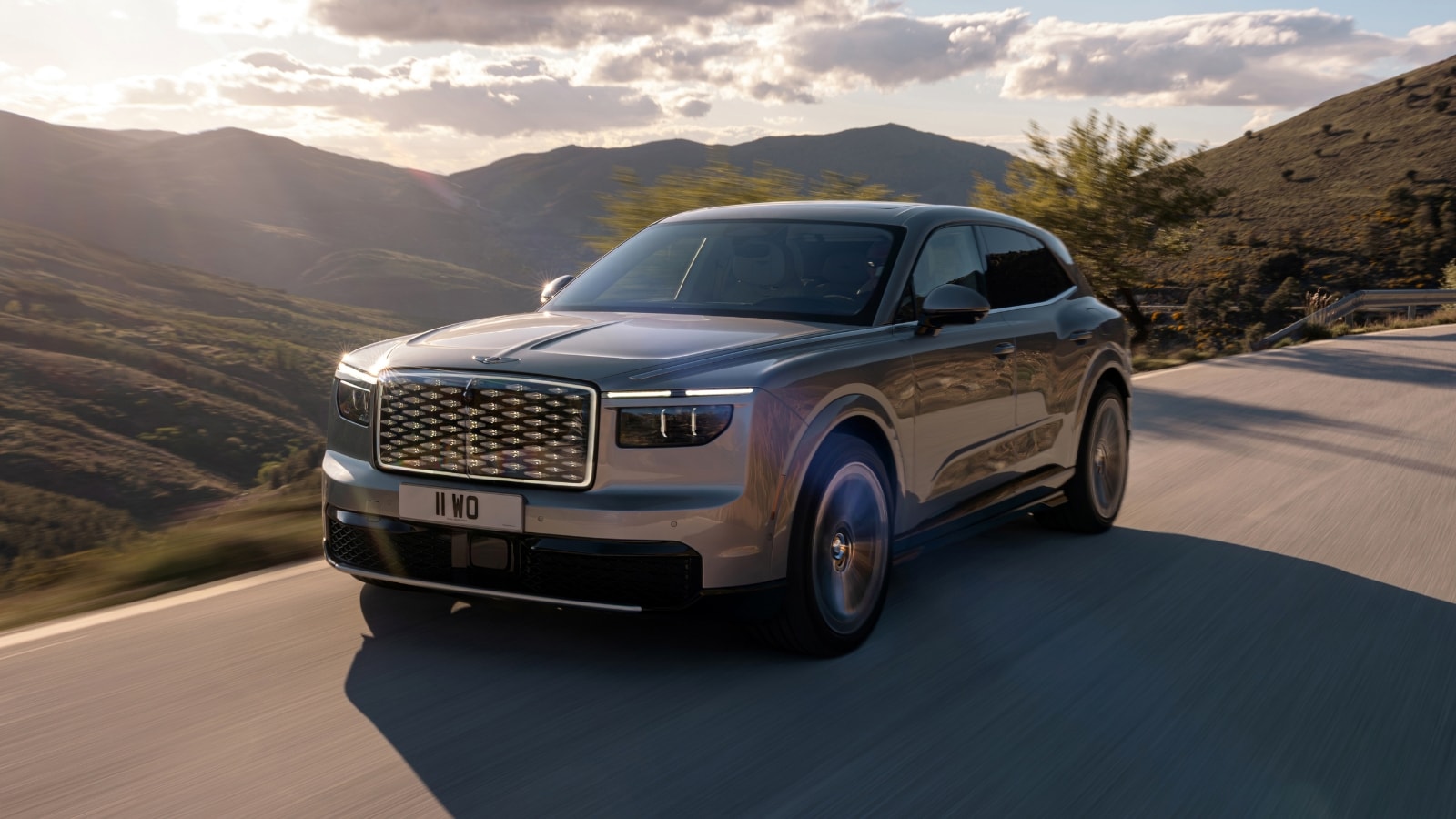
The leather used to smell like a confession. It was rich, heavy, and stained with the amber ghosts of decades spent idling outside private members' clubs in Mayfair or creeping through the damp Cotswolds fog. You sat down, the heavy oak-framed door thudded shut with a sound like a bank vault sealing out a chaotic world, and you were wrapped in an acoustic quarantine. Then came the ignition. A deep, chest-caving rumble. Eight cylinders of cast iron and aluminum waking up beneath a long, immaculate snout, vibrating through the seat cushions with the controlled menace of a caged apex predator.
We loved that violence. We measured luxury by how thoroughly it could insulate us from reality while still reminding us of raw, untamed power.
Now, imagine stepping into that same revered workshop in Crewe, where old men with bifocals and hands scarred by decades of needlework still spend forty hours stitching a single steering wheel. The scent is changing. Yes, the wool is here—fine-spun, textured, breathing softly against the skin like a tailor-made overcoat. But beneath the familiar fragrance of craftsmanship, a strange silence hangs in the air.
Silence. That is the true luxury of our century. And yet, for a company built on the theatrical thunder of combustion, silence is terrifying.
Consider what happens when you strip away the V8. You are left with a physics problem dressed in British walnut and polished chrome. Bentley’s first electric vehicle is no longer a distant boardroom whisper; it has a shape, a destination, and a scheduled arrival that stretches all the way to the bustling, cacophonous boulevards of India. But how do you teach a ghost how to roar?
To answer that, you have to understand the psychology of speed. When an internal combustion engine accelerates, it lies to you in the best possible way. It builds pressure. It screams through gears. It creates a rising crescendo of mechanical fury that tricks your adrenaline receptors into believing you are cheating mortality, even while you are merely merging onto the M4. Your body reads sound as velocity.
Strip that sound away, and acceleration becomes clinical. It becomes an elevator ride to the top floor of a skyscraper—fast, efficient, and deeply unsettling.
Enter the illusion.
Engineers, wrestling with the existential dread of drivers who want zero emissions but refuse to give up their visceral kicks, have engineered a fake V8 sound. Synthesized acoustics pumped through sophisticated spatial audio arrays. It is a digital phantom, an electronic heartbeat stitched into copper wiring and lithium-ion batteries. Purists scoff. They call it artificial, a plastic flower in a greenhouse of orchids.
They are missing the point entirely.
Human history is paved with comforting fictions. We put faux-wood paneling on station wagons, we drink decaf that tastes like ambition, and we wear mechanical watches that are far less accurate than a ten-dollar digital Casio because we crave the mechanical soul. The fake V8 sound in Bentley’s upcoming electric pioneer is not a cheat. It is an emotional bridge. It is a concession to our biology, acknowledging that our ears need time to catch up to our ethics.
Driving through Mumbai or New Delhi in a silent, ultra-luxury fortress will be an entirely different sensory trip. Picture the scene: chaos at a traffic junction in Bandra. Rickshaws buzzing like angry hornets, horns blaring a chaotic symphony of survival, dust catching the amber glow of late-afternoon sun. And cutting through that sensory overload comes a vehicle that moves like a velvet shadow, humming with the artificial ghost of a British V8. It is a juxtaposition so sharp it feels like science fiction. Yet, this is the exact market Bentley is gunning for. A new generation of tech titans and ultra-high-net-worth dynasties who do not care about oil changes, but care deeply about statement-making elegance that respects the air they breathe.
The shift toward sustainable luxury is not a polite pivot; it is a violent rewriting of heritage.
For nearly a century, Bentley sold excess. Heavy displacement. Massive fuel consumption wrapped in unmatched craftsmanship. To pivot to an EV is to look your most loyal, tweed-clad traditionalists in the eye and tell them their favorite painting is being repainted by a modernist.
That is where the wool seats come in.
We need to talk about wool. For generations, luxury meant cowhide—acres of it, harvested from pristine pastures where fences were banned so not a single scratch could mar the leather. It was a brutal, beautiful opulence. But wool changes the equation. Sourced with meticulous traceability, woven into heavy, tactile blankets of texture that feel remarkably modern, it shifts the interior architecture of the car away from the abattoir and toward the tailored bespoke lounge. It breathes. It doesn't trap heat the way leather does under an Indian sun. It feels grounded, organic, and startlingly progressive.
When you sit on wool instead of leather inside a six-figure electric vehicle, you are participating in a quiet rebellion. You are signaling that you can afford the best, and the best no longer requires extraction. It requires curation.
Critics point to the weight. Batteries are heavy, burdensome blocks of chemistry that turn nimble grand tourers into heavy-footed cruisers. They argue that an electric Bentley will lose its dance on a winding country lane.
They are probably right. But grand touring was never about autocross lap times. It was about crossing continents in a state of suspended animation. It was about leaving London at dawn and arriving in the Scottish Highlands for dinner without a single frayed nerve. Electric propulsion actually enhances that mission. No vibration. No gear-hunt hesitation. Just an effortless, magnetic pull that pins you to the seat with the smooth, inexorable force of a tide coming in.
We are standing at a peculiar crossroads in human invention. We spend our lives building machines that run faster and cleaner, only to spend millions of dollars programming them to fake the flaws of the past. We want the future, but we want it wrapped in the nostalgic security blanket of what we left behind.
The upcoming launch in India isn't just a geographical milestone for a British brand; it is a collision of old-world aristocratic ambition with the hyper-accelerated pulse of the twenty-first-century East. It is a car designed for someone who commands a digital empire by day and demands absolute silence by night.
When that first electric Bentley rolls off the ship and onto the sun-baked asphalt of Mumbai, pay attention to the sound it makes. Or rather, pay attention to the sound it doesn't make. Beneath the synthesized rumble of a ghost engine and the soft whisper of British wool against tailored cloth, you will hear the exact moment the old world finally lets go.