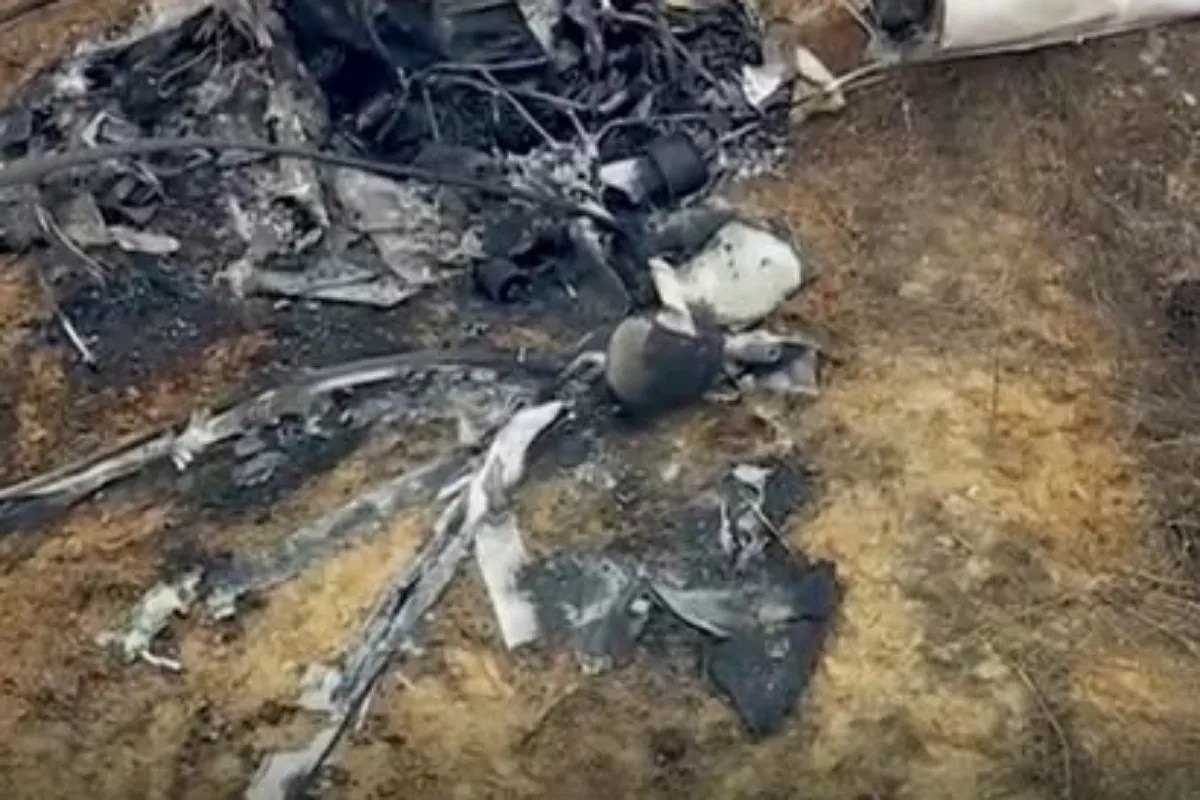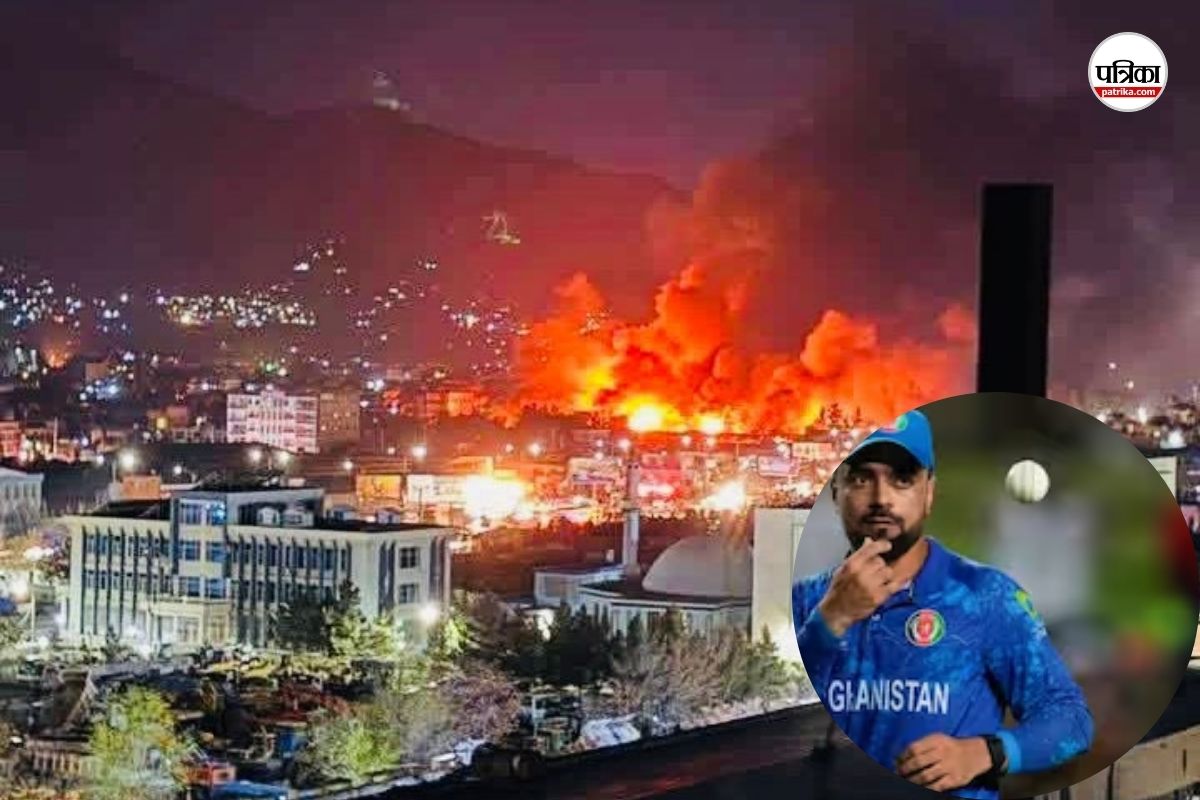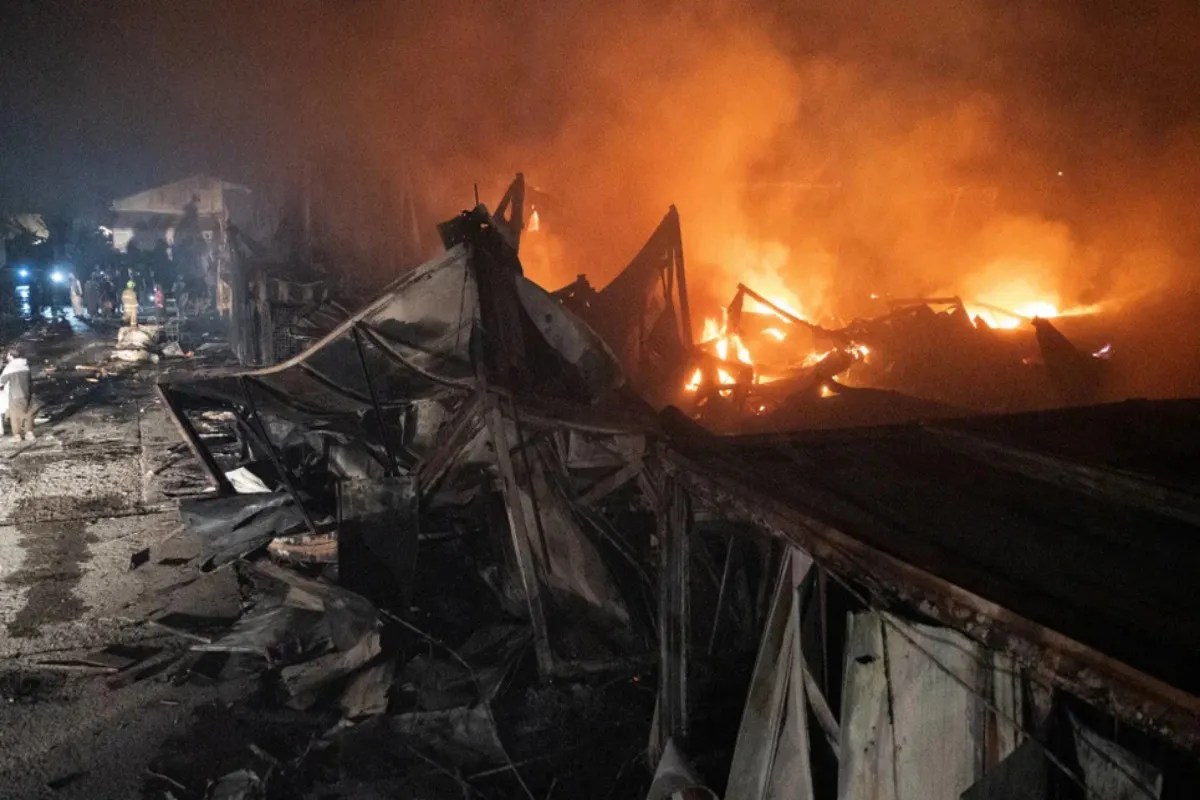
The headlines are bleeding with predictable outrage. Pakistan conducts airstrikes in Khost and Paktika. The Taliban spokesperson, Zabihullah Mujahid, issues a scathing rebuke, warning of "consequences which Pakistan will not be able to control." Media outlets scramble to frame this as a sudden fracture or a religious betrayal during Ramadan.
They are all missing the point. If you liked this post, you should check out: this related article.
The mainstream narrative treats the escalating violence between Islamabad and the Islamic Emirate of Afghanistan (IEA) as a shocking breakdown of a long-standing "patron-client" relationship. It isn't. This is the inevitable violent correction of a geopolitical fantasy that both sides—and global observers—clung to for twenty years. The "lazy consensus" suggests that Pakistan’s military establishment is simply "losing its grip" on its former proxies. The reality is far more clinical: the Durand Line is finally asserting itself as a hard border, and the romanticized notion of "strategic depth" has officially become a strategic liability.
The Myth of the Monolithic Taliban
Stop viewing the Taliban as a singular entity that owes Pakistan a debt of gratitude. The biggest mistake analysts make is assuming that the fighters who spent decades in Quetta or Peshawar are the same men now governing Kabul. Power changes the chemistry of an insurgency. For another look on this development, see the latest update from Associated Press.
Once an insurgent group captures a state, their primary directive shifts from "survival" to "sovereignty." For the IEA, sovereignty is inextricably linked to the rejection of the Durand Line—the 2,640-kilometer border established in 1893 that no Afghan government, including the first Taliban regime in the 90s, has ever formally recognized.
When Pakistan conducts "intelligence-based operations" inside Afghan territory to target the Tehrik-i-Taliban Pakistan (TTP), they aren't just hitting terrorists. They are violating the one thing the IEA needs to maintain internal legitimacy: the sanctity of Afghan soil.
The TTP is Not a Bug, It is a Feature
Pakistan’s current frustration stems from a fundamental misunderstanding of the TTP-IEA relationship. Islamabad expected that a Taliban victory in Kabul would lead to the dismantling of TTP sanctuaries. Instead, they found that the TTP is the IEA’s ideological twin.
I have watched policy experts struggle to explain why the Taliban won't simply "hand over" TTP leaders. The answer is brutal and simple: they can't. To the Afghan Taliban, the TTP are not foreign mercenaries; they are fellow travelers who fought alongside them against NATO. Asking the Kabul shura to liquidate the TTP is like asking a revolutionary government to execute the veterans who helped them win the war. It would trigger a domestic mutiny and potentially drive TTP fighters into the arms of ISKP (Islamic State Khorasan Province), a far more dangerous threat to the Taliban’s grip on power.
The Airstrike Fallacy
Pakistan’s decision to use kinetic force—airstrikes—inside Afghanistan is a move of desperation, not strength. It signals that the diplomatic and intelligence channels that once defined this relationship are dead.
Let’s look at the mechanics of these strikes. Airpower is an blunt instrument in a complex tribal landscape. While the Pakistani military claims to hit "terrorist hideouts," the collateral damage—civilians, including women and children—serves as the perfect recruitment tool for the very groups they seek to eliminate.
When Mujahid speaks of "consequences," he isn't just talking about a border skirmish. He is talking about a permanent shift in the security architecture of the region. By striking inside Afghanistan, Pakistan has effectively ended the "brotherly nation" facade. They have validated the IEA’s narrative that Pakistan is an interventionist power no different from the Soviets or the Americans.
The Economic Suicide of Border Wars
Beyond the rockets and the rhetoric lies a more devastating reality: economic gravity. Pakistan is currently navigating one of its worst economic crises in history, reliant on IMF bailouts and seeking stability to attract investment. Afghanistan is a humanitarian catastrophe barely kept afloat by offshore aid and black-market trade.
A hot border is a closed border. Every time a skirmish breaks out at Torkham or Chaman, thousands of trucks carrying perishable goods rot in the sun.
- Trade Volume: Regional trade has already plummeted by nearly 50% in key sectors over the last three years.
- Security Costs: Diverting resources to the western border when the eastern border remains tense is a fiscal nightmare Islamabad cannot afford.
The "contrarian truth" here is that Pakistan needs a stable Afghanistan more than the Taliban needs a friendly Pakistan. The Taliban have proven they can survive on scraps and ideological purity. Pakistan, with its massive population and crumbling infrastructure, requires regional integration to survive. By opting for airstrikes, Islamabad is burning the very bridge it needs for its "CPEC-plus" dreams of connecting to Central Asia.
The Mirage of Strategic Depth
For forty years, the Pakistani military doctrine was obsessed with "strategic depth"—the idea that a friendly government in Kabul would provide a fallback position in a war with India.
That doctrine is now a smoking ruin.
Instead of a compliant neighbor, Pakistan now faces a radicalized, sovereign state that hosts its most bitter domestic enemy (the TTP) and refuses to acknowledge its borders. The "depth" has been reversed. The TTP now uses the vastness of Afghanistan to launch strikes deep into the Pakistani heartland, targeting security forces in Khyber Pakhtunkhwa and beyond.
The Hypocrisy of "Sovereignty"
There is a delicious, if dark, irony in the current diplomatic spat. For years, the international community accused Pakistan of violating Afghan sovereignty by supporting the insurgency. Now, Pakistan is the one accusing the Afghan government of failing to control its borders, while simultaneously violating those borders with jets and drones.
The IEA’s response is a masterpiece of geopolitical gaslighting. They use the same language of "international law" and "sovereignty" that was used against them for two decades. They know exactly how to play this game. They are forcing Pakistan to choose between a perpetual low-intensity war on its western flank or an embarrassing climb-down that acknowledges the Taliban’s terms.
The Failure of the "Managed Chaos" Model
The real lesson here? You cannot manage chaos indefinitely. Pakistan’s "managed chaos" strategy—supporting some militants while fighting others—has reached its logical end. The TTP and the IEA are not two different problems; they are two sides of the same ideological coin.
If you think a few airstrikes in Khost will change the calculus in Kabul, you haven't been paying attention to the last century of Afghan history. The Taliban are not a client state; they are a revolutionary movement that has successfully transitioned to a state power. They do not take orders from the ISI anymore. They don't have to.
The border isn't just a line on a map. It’s a pressure cooker. Pakistan keeps turning up the heat, thinking it will force the lid to stay on. Instead, it’s ensuring the eventual explosion.
Stop looking for a "peace deal" or a "return to normalcy." Normalcy died in August 2021. What we are seeing now is the birth of a new, violent reality where the teacher is being held hostage by the student, and the student has no intention of graduating.
Pack away the maps and the old doctrine. The Durand Line is no longer a border; it’s a frontline. And in this theater, the guy with the most patience always wins. The Taliban have nothing but time. Pakistan is running out of it.