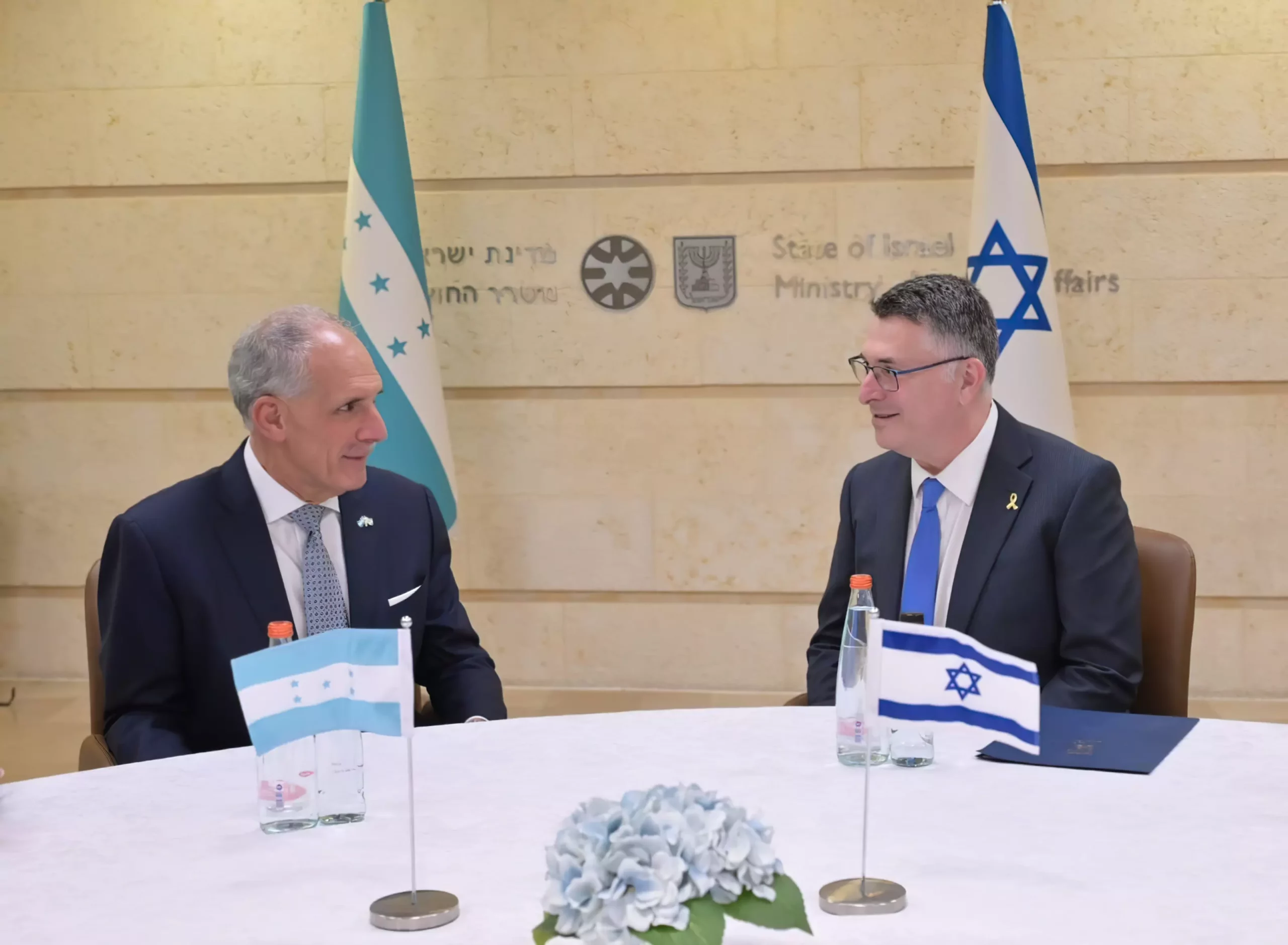
Foreign policy observers love a soft-culture photo op. When Indian External Affairs Minister S. Jaishankar steps into the National Historical Museum in Sofia, admires Thracian gold, and tweets about Bulgaria’s rich cultural heritage, the mainstream press predictably churns out the same tired narrative. They call it a celebration of historical ties. They frame it as a deepening of mutual respect.
They are missing the entire point.
Cultural diplomacy is rarely about culture. In the brutalist arena of modern geopolitics, praising another nation's ancient artifacts is the international relations equivalent of making small talk about the weather before a high-stakes corporate takeover. It is tactical misdirection. The lazy consensus views these museum visits as polite, superficial itinerary fillers. In reality, they are highly calculated diplomatic smoke signals designed to project presence, signal alignment, and mask harder, more transactional strategic maneuvers.
Let's dismantle the polite fiction of heritage diplomacy and look at what is actually happening on the Eurasian chessboard.
The Thracian Gold Distraction
Mainstream reporting treats diplomatic stops at cultural sites as a sign of genuine bilateral infatuation. This is a fundamental misunderstanding of how states interact.
When a superpower or an emerging global heavyweight like India engages with a vital, yet mid-sized European player like Bulgaria, it isn't spending precious diplomatic capital to admire 4th-century BCE gold. It is establishing a neutral, high-vibe backdrop to signal that a relationship is warm, without committing to hard policy on camera before the ink is dry.
I have spent years analyzing foreign policy deployments and tracking bilateral agreements. Every seasoned strategist knows that the length of a minister's stay at a cultural site is directly proportional to the complexity of the closed-door negotiations happening right after.
Why Bulgaria? And why now?
Bulgaria sits at the absolute crossroads of the Balkans, the Black Sea, and the broader European Union. It is a critical node in transit corridors, energy infrastructure, and defense logistics. To view a ministerial visit through the lens of "praising heritage" is to ignore the geography of the Black Sea region. India is aggressively expanding its footprint across the Mediterranean and European trade routes, seeking alternatives to old supply chains. Bulgaria is a gateway. The museum is just the waiting room.
Dismantling the Myth of Shared Ancient Values
International relations departments love to push the narrative that nations cooperate because they share "ancient civilizational links." This premise is deeply flawed.
Consider the standard "People Also Ask" query regarding these visits: How do cultural exchanges strengthen bilateral ties between India and Eastern Europe?
The brutal, honest answer? They don't. At least, not on their own.
No nation state ever signed a defense pact or lowered trade tariffs because they both have great museums. Interests drive nations, not shared admiration for antiquity.
When diplomats invoke "civilizational harmony," they are using a polite rhetorical shield to avoid talking about friction points, or to obscure the fact that the real meat of the visit involves things that cannot be blasted on social media. In the case of India and Eastern Europe, the real conversation centers on defense industrial cooperation, technology transfers, and navigating the complex realities of the current Eurasian security architecture.
If you are analyzing a foreign minister's trip based on their museum tour itinerary, you are reading the menu instead of eating the dinner.
The Mechanics of Strategic Staging
To understand why this matters, look at the mechanics of a modern diplomatic tour.
Every minute of a minister’s schedule is budgeted. If a foreign minister spends two hours at a historical museum, that is two hours not spent at a trade summit or a public press conference.
This staging serves three distinct, non-cultural functions:
- The De-escalation Buffer: It provides a neutral space for informal, unrecorded conversations. Walking through an exhibit allows principals to speak candidly away from microphones, aides, and note-takers. The most critical breakthroughs often happen in front of an ancient tapestry, not across a mahogany boardroom table.
- The Narrative Anchor: It gives the domestic press corps an easy, photogenic story to run. This satisfies the public demand for "strong global relations" while keeping the actual, sensitive strategic deliverables out of the headlines until they are finalized.
- The Soft Power Flex: It signals to regional rivals that the visiting nation is comfortable, welcome, and establishing roots in their backyard. A visit to a national museum implies a deep, respectful understanding of the host nation's identity—a psychological move that builds instant rapport with the local population, bypassing the government of the day.
The Cost of Believing the Rhetoric
The downside of buying into the "heritage praise" narrative is that it blinds businesses, investors, and political analysts to the actual shifts in regional power.
If you take these press releases at face value, you assume the relationship is stable, slow-moving, and purely ceremonial. You miss the underlying currents. While the public looks at pictures of gold artifacts, the real players are looking at the port infrastructure of Varna and Burgas, bilateral defense production, and labor mobility agreements.
Stop looking at the artifacts. Start looking at the logistics. The real value of Jaishankar's engagement in Sofia isn't found in what Bulgaria was thousands of years ago, but in what Bulgaria can facilitate on the geopolitical map today. Cultural praise is the tribute paid to history before writing the next chapter of raw, realist statecraft.