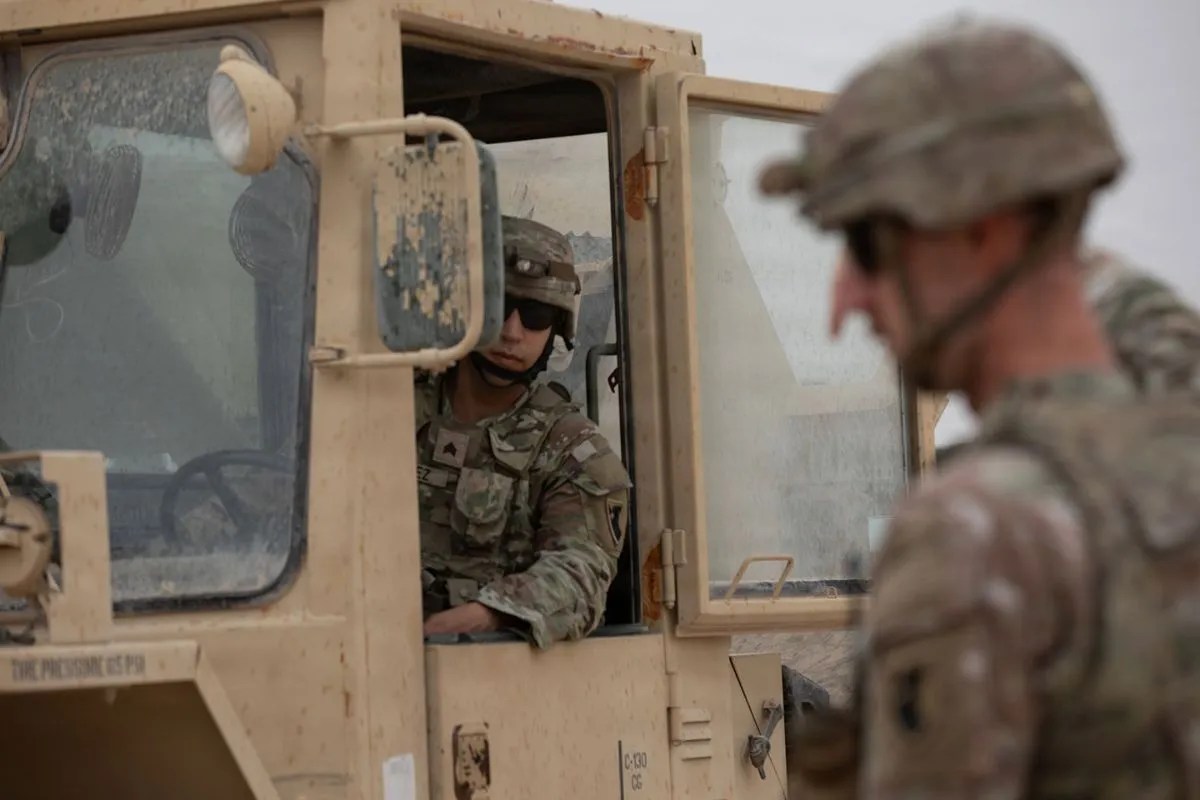
Geopolitical adjustments along the European theater's eastern frontier are frequently analyzed through the lens of sudden diplomatic shifts or reactive political posturing. Beneath the surface of media announcements regarding troop relocations and strategic redeployments lies a rigid calculus of military logistics, fiscal constraints, and deterrence economics. Evaluating force posture modifications near the Russian border requires stripping away rhetorical variables to examine the underlying structural mechanics governing great power competition.
The Logistics Function of Forward Posture
Moving tactical units closer to contested borders introduces distinct structural friction. Military deployments are bounded by supply chain capacity, infrastructure throughput, and maintenance lifecycles. When decision-makers authorize the shift of thousands of personnel and heavy equipment into eastern European staging zones, the operation triggers an immediate logistical cost function.
$$C_{\text{total}} = C_{\text{transport}} + C_{\text{maintenance}} + C_{\text{opportunity}}$$
The variables defining this function dictate the limits of strategic endurance:
- Transport Friction: Heavy armor and mechanized infantry battalions require extensive rail and port capacity, which are vulnerable to bottlenecks and kinetic disruption.
- Maintenance Degradation: Operating in high-tempo operational environments accelerates mechanical wear on tracked vehicles, radar systems, and logistics trucks, requiring a disproportionate increase in rear-area repair parts.
- Infrastructure Capacity: Host-nation supply lines often lack the subterranean fuel storage, reinforced hangars, and heavy-load bridges necessary to sustain high-intensity operations indefinitely.
Consequently, any posture adjustment must balance the signaling value of proximity against the logistical vulnerability of operating within rapid-strike range of opposing missile batteries and long-term artillery arcs.
Deterrence Mechanics and the Threshold of Escalation
Traditional deterrence theory relies on two primary mechanisms: deterrence by denial and deterrence by punishment. Forward-deployed formations serve as a tripwire, raising the political and military cost of an adversary's advance by ensuring that any cross-border kinetic action immediately engages forces of the patron superpower.
However, this architecture creates a dual-key dilemma. While a dense forward footprint enhances immediate credibility, it simultaneously compresses decision cycles during a crisis. When reaction times shrink to minutes, automated defensive responses or misinterpretations of routine exercises can trigger unintended escalation loops.
The strategic optimization problem for alliance planners is therefore finding the inflection point where forward positioning maximizes deterrence without creating a destabilizing vulnerability that invites preemptive action. By substituting large permanent garrisons with rotational, pre-positioned equipment hubs, modern defense strategies attempt to decouple the signaling objective from the static target profile of fixed installations.
Fiscal Constraints and Domestic Legislative Friction
Foreign policy execution cannot be separated from domestic fiscal reality. Military deployments of scale are continuously mediated by budgetary appropriations and legislative oversight. Executive decisions regarding troop numbers are routinely bounded by legislative control over defense spending, creating a structural check on sudden strategic pivots.
When spending bills intersect with shifting political majorities, long-term operational commitments face severe funding volatility. Strategic planning horizons must constantly account for potential budget contractions, forcing defense ministries to prioritize core readiness over expansive geographic footprints. The resulting adjustments—often mischaracterized as erratic policy reversals—are typically institutional adaptations to fiscal feedback loops and resource scarcity.
Strategic Forecast
Future force posture adjustments along the eastern European frontier will be dictated by technological developments in long-range precision strike and autonomous reconnaissance rather than raw headcounts. As surveillance transparency increases the vulnerability of concentrated formations, stationary forward deployments will face diminishing returns. Strategic value will concentrate in distributed, highly mobile C4ISR nodes and automated logistics networks capable of operating under continuous electronic warfare pressure. Success will belong to actors who optimize for agility and resilience rather than static territorial occupation.