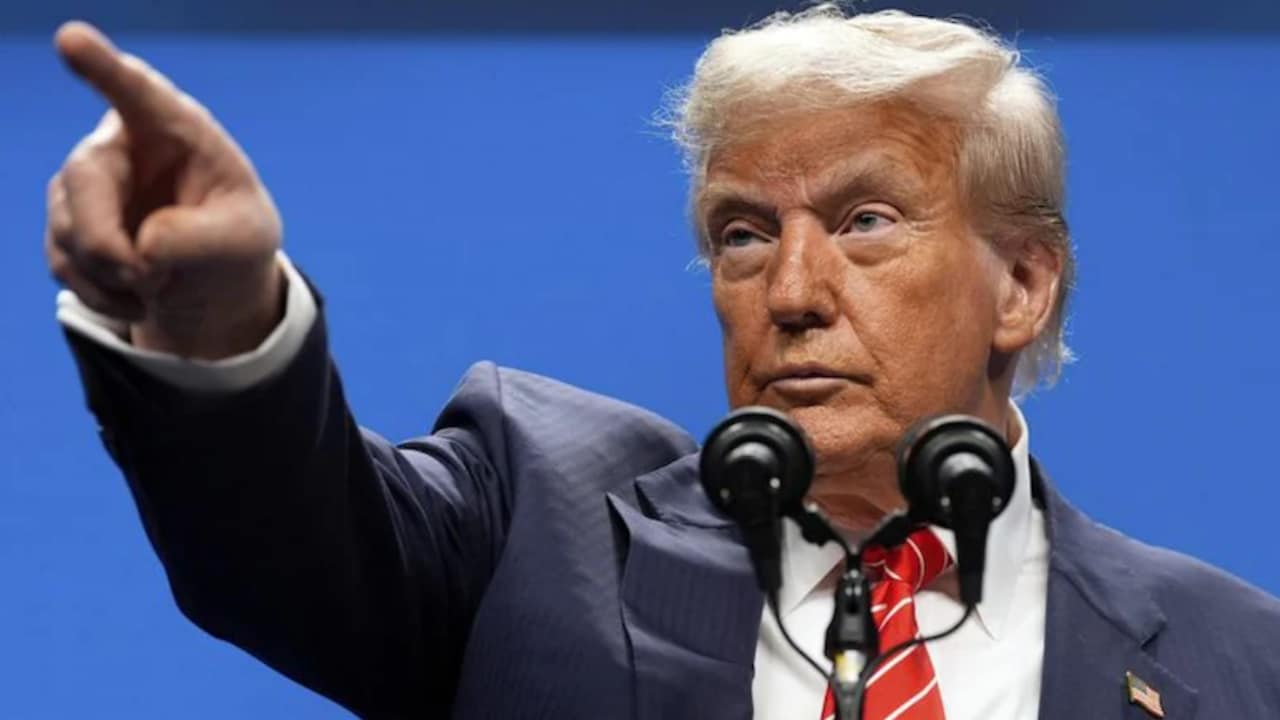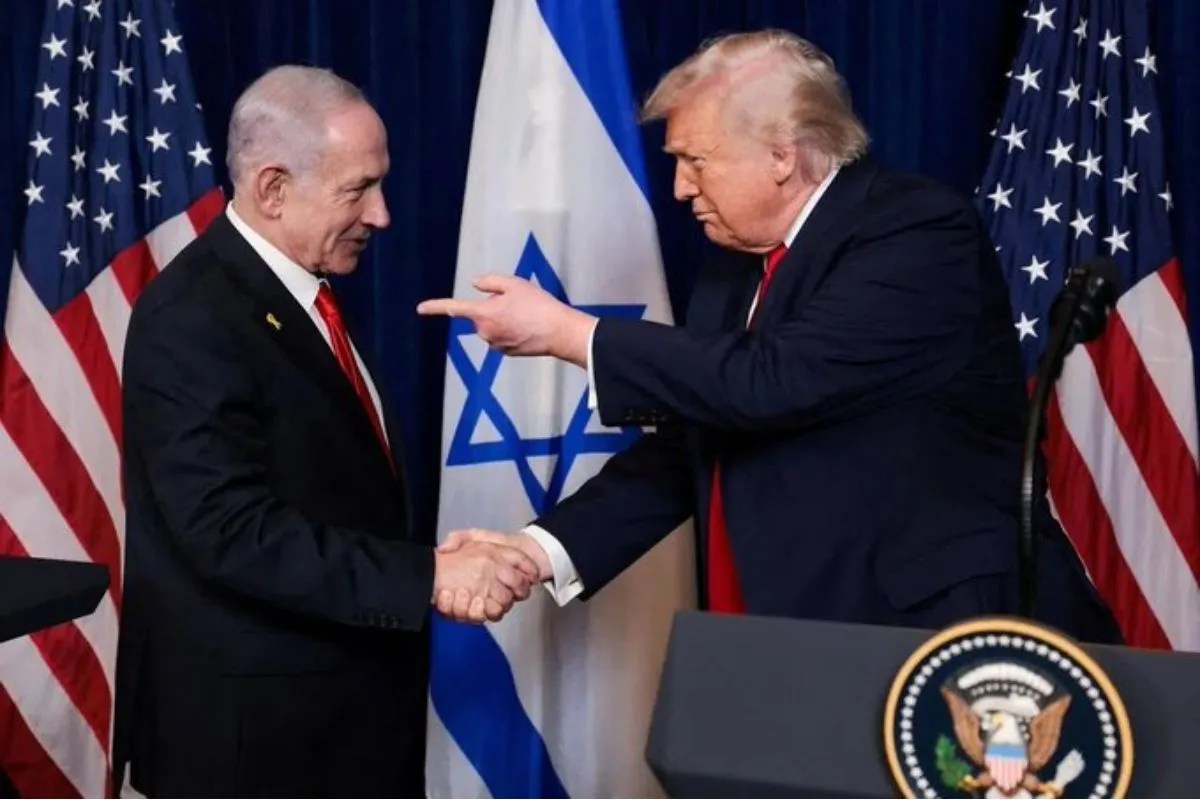
The cancellation of Israeli Prime Minister Benjamin Netanyahu’s planned visit to the United States highlights a strategic misalignment between Jerusalem and the current U.S. administration. While official statements attribute the postponement to the rescheduling of Senator Lindsey Graham’s memorial service, an examination of the underlying diplomatic mechanics reveals a deeper conflict of interest. The collapse of the proposed summit with Donald Trump is not merely a scheduling conflict; it is the logical output of divergent geopolitical priorities, structural friction over Iranian policy, and a shifting cost-benefit analysis for both leaders.
Understanding this shift requires analyzing the strategic variables that govern the U.S.-Israel bilateral relationship under the current administration.
The Three Pillars of Strategic Misalignment
The breakdown in organizing a formal meeting between Netanyahu and Trump is driven by three distinct structural bottlenecks.
┌────────────────────────────────────────────────────────┐
│             STALEMATE VARIABLES                       │
├──────────────────────────┬─────────────────────────────┤
│ 1. Strategic Divergence  │ Regional Escalation vs.     │
│    on Iran               │ Diplomatic De-escalation    │
├──────────────────────────┼─────────────────────────────┤
│ 2. Domestic Political    │ Posturing to Base vs.       │
│    Utility               │ Risk of Public Friction     │
├──────────────────────────┼─────────────────────────────┤
│ 3. Policy Influence      │ Netanyahu's Redlines vs.     │
│    Threshold             │ Vance's Transactionalism    │
└──────────────────────────┴─────────────────────────────┘
1. The Iran Policy Divergence
The primary friction point lies in the contrasting approaches to Iranian containment. The collapse of the proposed U.S.-Iran memorandum of understanding has escalated regional volatility. Netanyahu's administration operates under a security doctrine that prioritizes maximum pressure and preemptive military readiness to neutralize Iran's nuclear and regional capabilities.
Conversely, the current U.S. administration seeks to avoid deep military entrapment in the Middle East. This divergence creates a classic strategic bottleneck:
- The Israeli Position: Jerusalem seeks explicit, ironclad guarantees of U.S. military backing and diplomatic alignment regarding potential escalation with Iran.
- The Trump Administration Position: The administration favors leverage-based negotiation and regional containment that limits direct U.S. liability.
Without preliminary consensus on these core strategic parameters, a high-profile summit risks exposing division rather than projecting unity.
2. The Transactional Cost Function of Public Diplomacy
In high-stakes diplomacy, a head-of-state visit is an asset that must yield measurable domestic or geopolitical returns. For Netanyahu, the utility of a Washington visit depends on a clear deliverable—either a major policy concession or a powerful demonstration of bilateral solidarity.
When preparatory teams failed to secure prior agreements on a joint agenda or shared outcomes, the diplomatic utility of the trip dropped below the domestic political cost of undertaking it. In short, a photogenic handshake without concrete strategic alignment yields diminishing returns and invites domestic criticism that the prime minister is subservient to Washington's dictates.
3. The Institutional Shift in Washington
The internal dynamics of the Trump administration have altered the traditional channels of U.S.-Israeli communication. Vice President JD Vance’s recent public cautions regarding foreign influence over U.S. regional policy signal a transition toward a highly transactional, "America First" foreign policy framework.
This institutional stance challenges the historical assumption of unconditional U.S. diplomatic cover. The administration is increasingly resistant to being drawn into escalatory cycles that run counter to its domestic economic and military goals.
The Mechanics of the Postponement
The official explanation—the postponement of Senator Lindsey Graham's funeral to the end of July—provided a convenient diplomatic off-ramp. However, the operational reality is that a bilateral summit of this scale requires weeks of rigorous, low-level coordination to align policy statements, defense understandings, and press deliverables.
[Fail to Agree on Agenda/Outcomes] ──> [Bilateral Summit Utility Drops] ──> [Utilize Diplomatic Off-Ramp (Funeral Delay)] ──> [Postpone Visit]
When those preliminary negotiations stalled, both sides chose to defer the meeting rather than risk an unproductive or visibly tense encounter. Netanyahu’s assertion that Israel acts strictly on its own security interests, rather than dictation from Washington, illustrates this tactical friction.
Strategic Play: Redefining Bilateral Engagement
To navigate this period of strategic realignment, Israel's diplomatic apparatus must shift from relying on personal political alliances to a highly structured, interests-based engagement model.
- Establish Decoupled Policy Tracks: Jerusalem should isolate long-term defense intelligence sharing and joint technological development from shifting political dynamics in Washington. This ensures that essential security collaboration remains unaffected by disputes over broader regional diplomacy.
- Define Clear Reciprocal Value Propositions: Future bilateral summits must be structured around transactional reciprocity. Rather than seeking open-ended security commitments, Israel should propose highly defined, joint-security frameworks where U.S. logistical or diplomatic support directly advances shared goals, such as securing maritime trade routes.
- Diversify Regional Coalition Building: To offset the unpredictability of U.S. diplomatic posture, Israel must continue to strengthen and institutionalize regional security frameworks independently, leveraging the baseline established by the Abraham Accords. This shifts Israel’s position from a dependent security partner to the essential anchor of a regional security architecture.