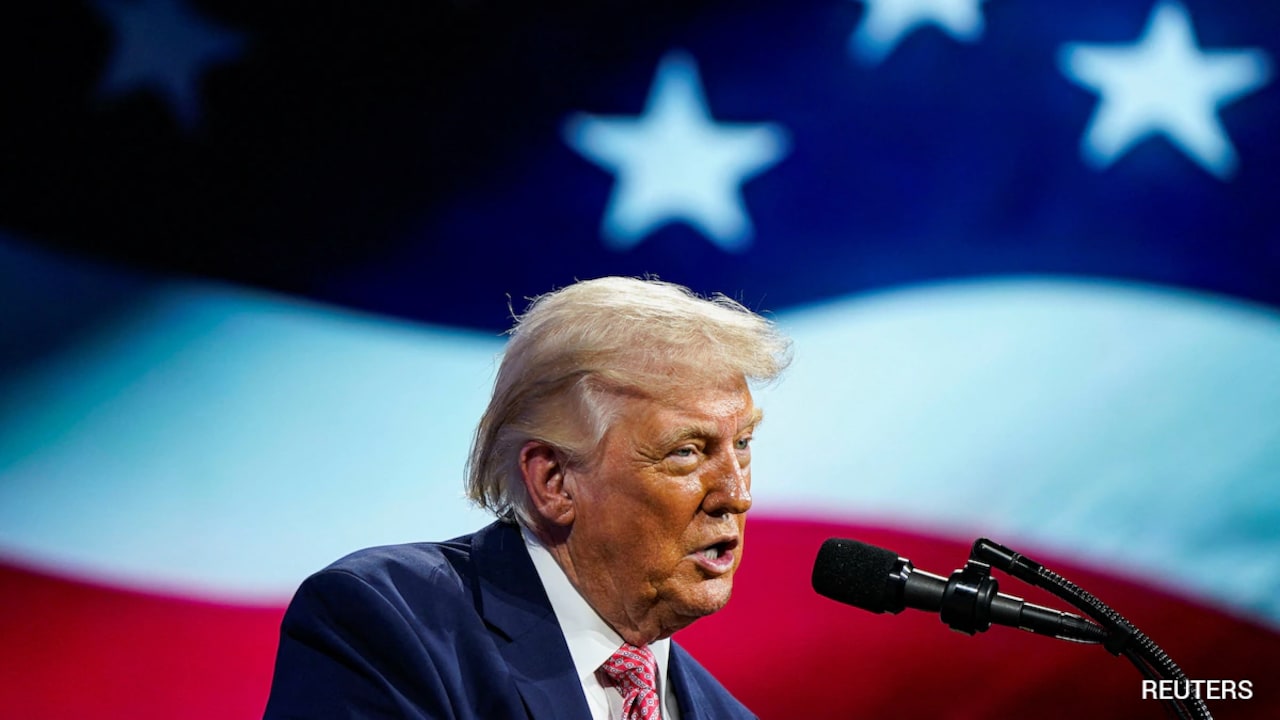
Geopolitical alignment is rarely governed by absolute prohibitions; instead, it operates through a continuous calculus of plausible deniability, proxy logistics, and economic exposure. Recent intelligence leaks detailing a proposed transfer of up to four hundred Chinese-manufactured man-portable air-defense missile systems to Iran through intermediate channels highlight the friction between bilateral head-of-state assurances and structural state behaviors. When United States leadership responds to these friction points through diplomatic shorthand rather than systemic structural penalties, analysts must deconstruct the underlying variables governing supply chains between sanctioned economies and industrial superpowers.
The Architecture of Proxy Supply Chains
State-level non-interference pacts frequently break down at the intersection of commercial autonomy and secondary contracting networks. Direct government-to-government transfers are easily monitored, creating high visibility and triggering immediate punitive policy responses. To bypass this visibility threshold, secondary procurement networks utilize commercial intermediaries, shell entities, and regional transit corridors.
The logistical mechanics of such transfers typically follow a structured routing design:
- Point of Origin Manufacture: Production occurs within state-owned or state-subsidized defense industrial complexes, where output can be misattributed to commercial dual-use quotas.
- Intermediary Layer: Transactions are executed through Hong Kong-registered or third-country front companies, decoupling the primary manufacturer from the end-user certificate.
- Transit Vector: Shipments move via commercial freight forwarding through secondary nations whose security apparatuses maintain complex, multi-vectored foreign policies with both Western powers and regional states.
When these channels are exposed, the offending superpower faces a binary choice: escalate enforcement against the primary state or accept diplomatic justifications that preserve broader economic negotiations. The reliance on verbal commitments made during bilateral summits creates a fragile regulatory framework, substituting enforceable treaty mechanisms with personal political capital.
The Economic Threshold of Enforcement
To understand why secondary arms transfers persist despite explicit warnings from Washington, one must evaluate the cost-benefit matrix of the supplier state. China maintains massive trade exposure to Western markets. Imposing broad-based tariffs or financial sanctions on key industrial sectors creates severe domestic macroeconomic drag.
However, targeted enforcement mechanisms face diminishing returns when the trade volume of the illicit transaction is dwarfed by bilateral commerce. A localized arms transaction valued in the tens of millions of dollars represents a rounding error in total trade volume, yet provides disproportionate strategic utility to the recipient state facing acute air defense deficits.
Washington has previously threatened blanket tariff escalations against any economy arming Tehran. The structural flaw in this strategy lies in the credibility of implementation. If an administration ties its credibility to personal assurances from foreign counterparts, retaliatory action carries political costs. Executing a severe trade penalty disrupts global supply chains, inviting domestic inflation and retaliatory protectionism. Consequently, leaders often opt for rhetorical expressions of discontent rather than structural trade decoupling, signaling to supplier states that the price of minor treaty infractions remains manageable.
Strategic Realignment and Regional Intermediaries
The inclusion of regional actors in transshipment logistics introduces another layer of analytical complexity. For an intermediary state, facilitating the movement of tactical hardware provides transactional leverage in bilateral security negotiations with both superpowers. Balancing security assistance with diplomatic mediation allows regional capitals to extract economic and military concessions while maintaining plausible deniability.
This dynamic alters the deterrence equation. Traditional deterrence theory relies on clear, immutable red lines backed by automatic punitive responses. Modern great power competition, conversely, utilizes ambiguity. Beijing can deny official sanction while private defense contractors or commercial investment vehicles route hardware through third-party territories. Washington can express surprise while preserving upcoming diplomatic summits.
The systemic result is a persistent gray-zone market where high-value military technology continuously leaks across embargo lines. Short-range air-defense assets, specifically shoulder-fired missile systems, represent the optimal commodity for this gray market: they are compact, easily concealed within standard freight containers, and provide immediate tactical utility against modern aerial platforms without requiring extensive institutional infrastructure to deploy.
Strategic Forecast
Expect future covert transfers to increasingly decouple from state-owned defense conglomerates, shifting entirely toward private military contractors and shell corporations operating within special economic zones. Diplomatic warnings anchored to personal leadership assurances will fail to stem the flow of tactical hardware as long as regional demand outpaces the enforcement capacity of international customs monitoring.
Future containment efforts will require shifting from ex-post-facto rhetoric to automated, algorithmic tracking of dual-use shipping manifests and mandatory asset freezes on intermediary corporate registries before physical transit occurs.
Trump Would Be 'Disappointed' If China Sends Weapons to Iran
This video provides primary footage of the diplomatic statements regarding strategic transparency and weapon transfers.
http://googleusercontent.com/youtube_content/1