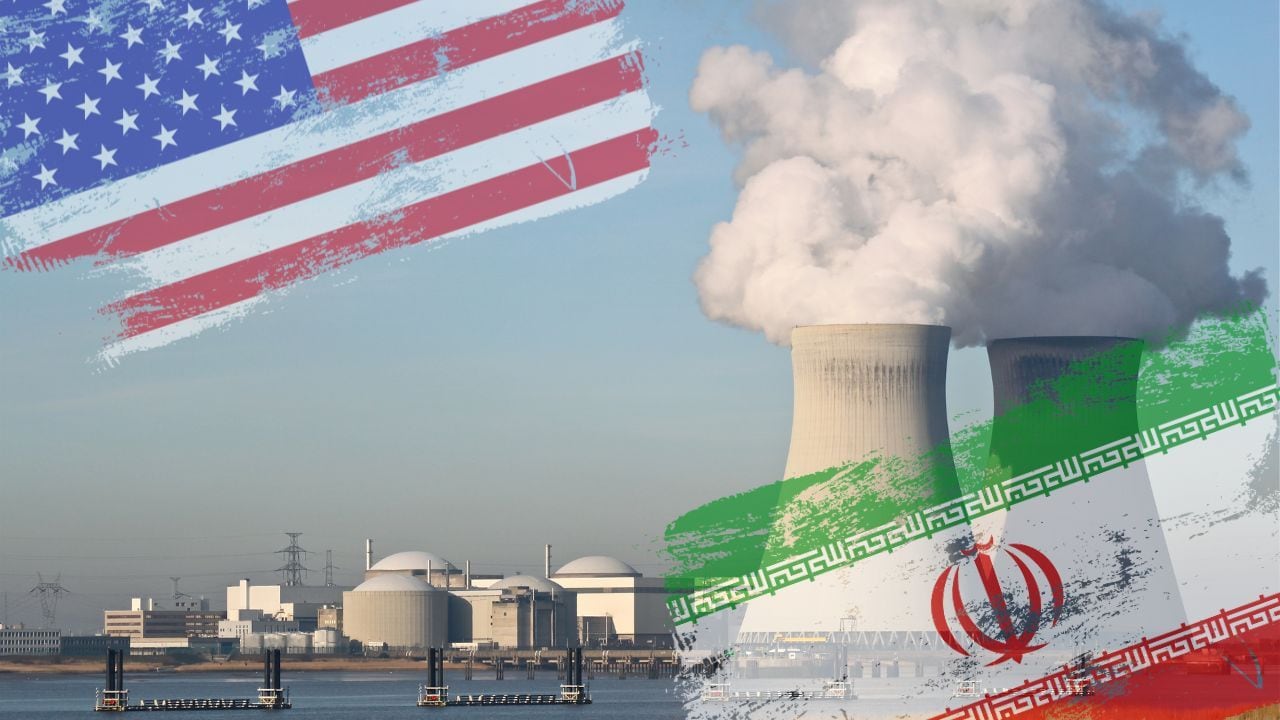
The diplomats are back in Geneva, ordering expensive espresso and dusting off the same tired talking points about "breakout times" and "red lines." The mainstream media is dutifully playing its part, framing these talks as a high-stakes race against a ticking clock. They want you to believe that a deal is the only thing standing between us and a regional apocalypse.
They are wrong.
The obsession with preventing an Iranian nuclear weapon is based on a fundamental misunderstanding of power dynamics. We have spent decades treating the Iranian nuclear program as a technical problem to be solved with centrifuges and inspections. It isn't. It is a psychological and geopolitical reality that, if accepted, might actually do more for regional peace than any flimsy piece of paper signed in a Swiss ballroom.
The Myth of the Rational Actor
The most common argument against a nuclear Iran is that the regime in Tehran is "irrational" or "apocalyptic." This is a lazy consensus used by hawks to avoid doing the hard work of realpolitik.
If the Iranian leadership were truly suicidal, they would have triggered a regional war decades ago. Instead, they have shown a remarkably disciplined, if ruthless, commitment to survival. They play the long game. They use proxies to exert influence while keeping the fight off their own soil. These are the actions of a regime that values its own existence above all else.
In the world of international relations, nuclear weapons are the ultimate insurance policy for survival. North Korea learned this. Libya's Muammar Gaddafi learned the opposite lesson the hard way. The Iranian regime isn't building a bomb because they want to use it; they are building it because they don't want to be invaded.
Proliferation as a Stabilizing Force
We need to talk about Kenneth Waltz. The late, legendary political scientist argued in his seminal work, The Spread of Nuclear Weapons: More May Be Better, that nuclear proliferation can actually lead to peace.
Why? Because nuclear weapons make the cost of war unacceptably high.
Look at the Cold War. The US and the USSR hated each other, but they never went to a direct hot war because the "nuclear shadow" forced them to stay within certain boundaries. Look at India and Pakistan. Despite deep-seated animosity and multiple previous wars, they haven't had a full-scale conflict since both went nuclear. The risk of total annihilation creates a "stability-instability paradox."
In the Middle East, we currently have a massive power imbalance. Israel is widely believed to have a nuclear monopoly. This creates a permanent state of insecurity for its neighbors, leading to the very "shadow wars" we see today. If Iran achieves a credible deterrent, the calculus changes. Israel and Iran would be forced into a state of mutual deterrence. The reckless brinkmanship we see today would become too dangerous to maintain.
The Geneva Sunk Cost Fallacy
The current talks are a performance. Both sides are trapped in a cycle of "negotiation theater" because neither can afford to walk away and admit the 2015 JCPOA framework is dead.
We keep hearing about "breakout times"—the time it would take Iran to produce enough weapons-grade uranium for one bomb. Diplomats obsess over whether this time is three months or six months. It doesn't matter.
If Iran decides to go for a weapon, they will do it. No amount of monitoring by the IAEA can stop a sovereign nation determined to cross the finish line. We saw this with Pakistan. We saw it with North Korea. The idea that we can "manage" Iran’s technical capability through diplomacy is a fantasy. We are trying to use 20th-century arms control tools on a 21st-century ideological conflict.
Why Sanctions Are a Failed Lever
For twenty years, the strategy has been: "Sanction them until they blink."
Iran hasn't blinked.
Instead, they have built a "resistance economy." They have pivoted to the East, strengthening ties with China and Russia. Sanctions have hurt the Iranian middle class—the very people who might actually want a more liberal government—while empowering the IRGC, which controls the black market and the smuggling routes.
I’ve seen this pattern in dozens of emerging markets. When you isolate a regime, you don't make them more compliant; you make them more desperate and more resourceful. By the time the diplomats realize the sanctions haven't worked, the centrifuges are already spinning at 60%.
The Hidden Cost of "No Deal"
The competitor article suggests that if talks fail, the "military option" is back on the table. This is the most dangerous myth of all.
A military strike on Iran’s nuclear facilities would not end their program. It would merely delay it by two or three years while ensuring that Iran definitely builds a bomb, and this time, they’ll build it deep underground where no bunker-buster can reach. It would also ignite a regional firestorm that would make the Iraq war look like a skirmish.
If you think gas prices are high now, imagine the Strait of Hormuz being mined and global shipping coming to a standstill. That is the price of the "military option."
A Radical Realist Path Forward
Stop trying to prevent the inevitable. Start planning for the aftermath.
If we accepted that Iran will eventually reach a threshold capability, we could shift our focus from "prevention" to "containment and communication." We need hotlines, not more sanctions. We need a regional security architecture that includes Iran, rather than one that tries to pretend they don't exist.
The "lazy consensus" says a nuclear Iran is the end of the world. History suggests it might just be the beginning of a cold, hard, and remarkably stable peace.
The diplomats in Geneva aren't fighting for peace; they are fighting for a status quo that has already vanished. It’s time to stop pretending the clock can be turned back. The bomb is already in the room. We might as well start learning how to live with it.
Instead of asking how we stop Iran, start asking how we manage a nuclear Middle East. Because that is the reality we are already living in.
Stop buying the hype. The talks are a distraction. The real work happens when the posturing ends and the realism begins.