Mainstream news outlets are running a predictable script. Headlines decry the Israeli navy’s interception of the Global Sumud Flotilla near Cyprus and Crete, accompanied by predictable outrage from activists shouting about "international piracy." In Athens and Istanbul, protestors march on cue. The media elite frames the narrative as a clear-cut confrontation: brave, selfless humanitarians on a mission of mercy clashing with an unyielding military state.
It is a comforting, simplistic narrative. It is also entirely wrong.
The lazy consensus dominating the current coverage refuses to acknowledge a glaring, mechanical reality. These maritime expeditions are not humanitarian logistics operations. They are highly coordinated, media-driven pieces of political theater. They are designed from inception to provoke a military response, capture dramatic video footage, and manufacture an international incident. By evaluating these flotillas through the lens of genuine aid delivery, the public falls for a PR stunt that actively undermines real, systematic humanitarian pipelines.
The Mathematical Absurdity of Flotilla Aid
Let us look at the raw numbers, stripped of emotional rhetoric. Organizers of the Global Sumud Flotilla proudly announced that their convoy carried dozens of boats. Observers tracking the logistics note that each of these vessels carries roughly one ton of cargo—mostly basic food staples and standard medical equipment.
Imagine a scenario where the entire fleet of 50 boats successfully breaches the blockade and docks on the shores of Gaza undisturbed. The total haul would amount to approximately 50 tons of supplies.
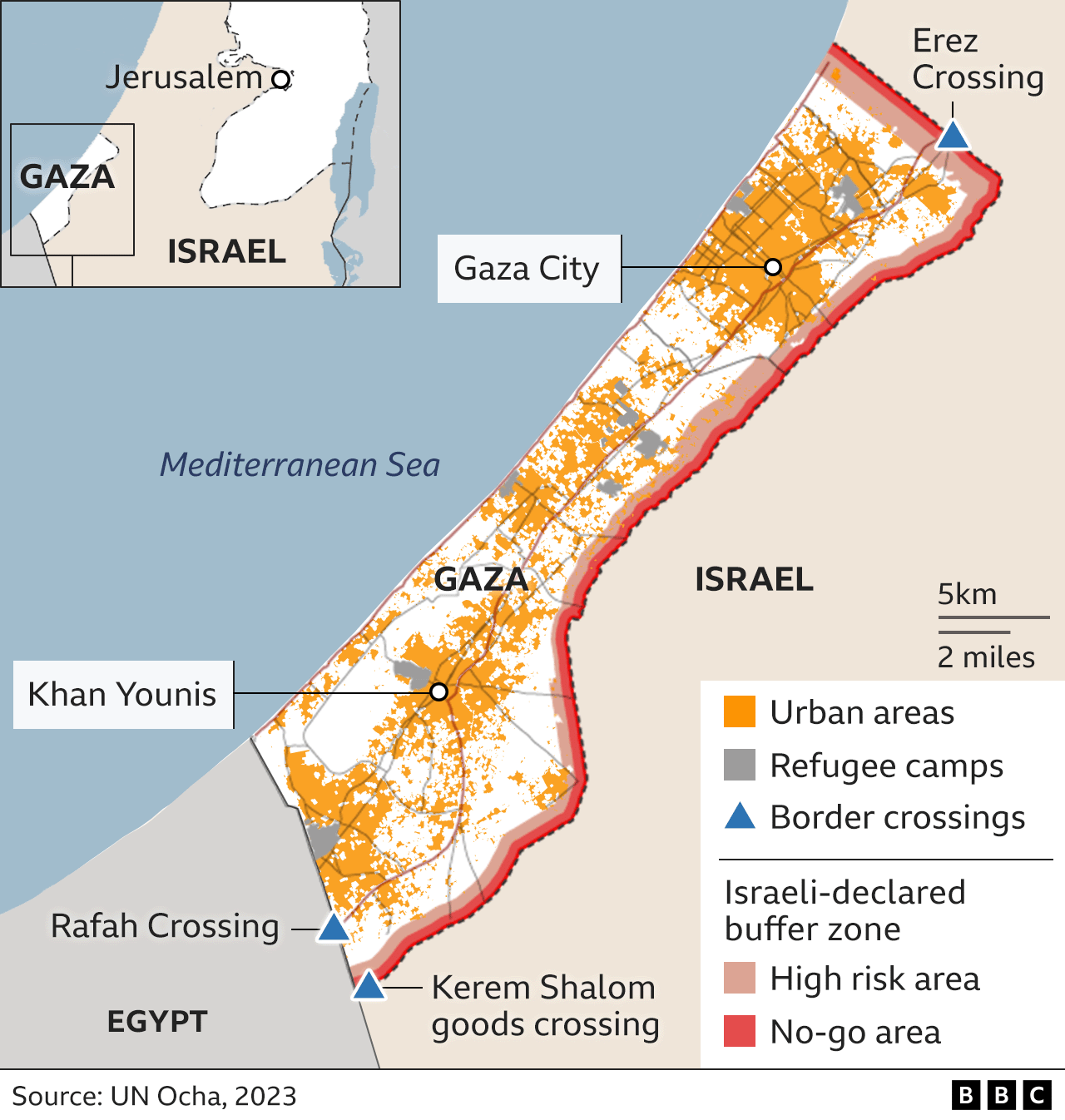
To anyone who has spent time analyzing real-world supply chain management or international disaster relief, that number is a drop in the ocean. According to COGAT, the Israeli defense body regulating access, around 600 trucks enters Gaza daily under the current fragile ceasefire framework. A single standard commercial semi-truck hauls roughly 20 to 25 tons of freight.
The Cold Logistics: The entire 50-boat activist flotilla carries the equivalent cargo of just two standard commercial cargo trucks.
Risking international naval confrontations to deliver two truckloads of food is a logistical failure. If the primary goal were genuinely the efficient delivery of calories and medicine to a population of two million people living in ruins, spending millions of dollars to charter, fuel, and crew dozens of small vessels across the Mediterranean is the least efficient method imaginable. The cost-per-ton of aid delivered via this method is astronomically high, rendering it a fiscal disaster for the donors funding it.
The Blueprint of Manufactured Escalation
If the logistics make no sense, the operational behavior of the organizers explains the true objective. Real aid organizations—like the World Food Programme or the Red Cross—operate on principles of coordination, transparency, and de-confliction. They submit manifests, clear security checks, and utilize established corridors to ensure goods reach civilians safely without sparking skirmishes.
Flotilla organizers do the exact opposite. They openly refuse to coordinate with coastal authorities. They reject offers to offload their cargo at established commercial ports like Ashdod or Larnaca for land-based transfer. They steam directly into restricted military zones, ensuring an armed interception is the only possible outcome.
This is not a failure of strategy; it is the strategy itself. The goal is the confrontation.
The onboard livestream infrastructure is far more sophisticated than the cargo holds. Activists put on life jackets and raise their hands for the cameras the second an interception vessel approaches in broad daylight. The sudden cut of the feed, the subsequent arrest, the predictable deportation of high-profile activists, and the inevitable diplomatic screaming from capital cities are all pre-scripted milestones of the campaign. The activists are not logistics workers; they are actors in a geopolitical drama designed to test the legal definitions of blockades in international waters.
The Legal Reality of Maritime Blockades
A common talking point echoed by European lawmakers and activists is that Israel’s actions constitute piracy because the interceptions often occur in international waters, hundreds of miles from the Gaza coast. This argument collapses under basic San Remo Manual guidelines, which govern naval warfare and blockades at sea.
Under international maritime law, a state enforcing a legally declared naval blockade is explicitly permitted to intercept vessels in international waters if there is reasonable ground to suspect they are intending to breach that blockade. The action does not have to wait until the vessel enters territorial waters. Pretending that international waters act as a magic shield for ships openly declaring their intent to violate a military perimeter is a fundamental misunderstanding of law.
The blockade itself was instituted in 2007 to prevent the maritime smuggling of weaponry and dual-use manufacturing materials to Hamas. Whether critics view it as collective punishment or a national security necessity, the legal mechanics of how a blockade is enforced remain constant. Intercepting a flotilla near Cyprus or Crete is standard naval protocol, not an ad-hoc act of lawlessness.
The Real Cost to Actual Aid Deliveries
The most damaging consequence of this activist theater is not the political headache it causes for regional governments. It is the damage it inflicts on viable, systemic aid pipelines.
When activists use humanitarian labels to mask a political provocation, they poison the well of trust required to maintain legitimate corridors. They force security apparatuses to tighten screening procedures, increase surveillance, and approach all maritime traffic with heightened suspicion. The political friction generated by these stunts stalls diplomatic negotiations surrounding the fragile ceasefire and complicates the daily coordination required to move hundreds of actual supply trucks through land borders.
If the global community genuinely wants to alleviate the severe shortages of housing, food, and medicine in the territory, the path forward is clear, unglamorous logistics:
- Expand land corridor capacities.
- Streamline bureaucratic customs checks at established ports.
- Fund large-scale, professional NGOs capable of moving thousands of tons of cargo daily.
Dozens of small boats running a military gauntlet makes for a compelling social media video, but it does not feed a population. It is time to stop confusing high-stakes political performance art with genuine humanitarian relief.
Protest in Athens over Gaza Flotilla Crackdown
This video provides direct visual context to the immediate geopolitical fallout and public protests that erupted in Greece following the interception of the Global Sumud Flotilla.