He was just walking his baby down a West Hollywood sidewalk. Then a camera crew rolled up under false pretenses and accused him of something sick.
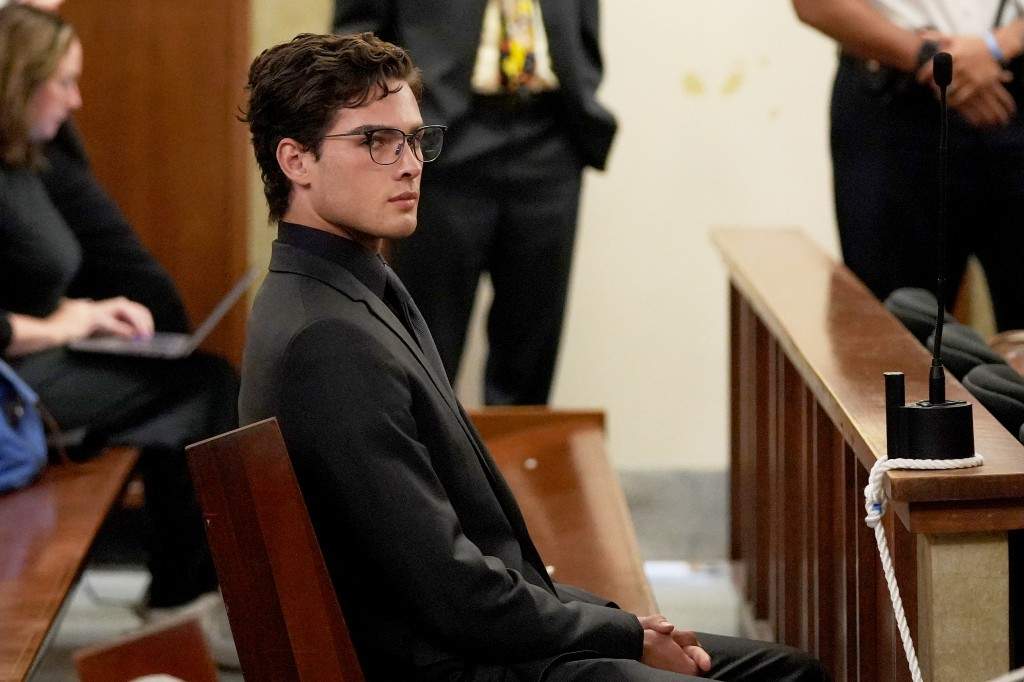
When Los Angeles County prosecutors confirmed on October 22, 2026, that 32-year-old David Vulin won't face charges for punching conservative social media personality Ryley Niemi, the internet split right down the middle. One side cheered a father defending his newborn from a vile smear. The other warned that throwing punches over offensive speech sets a dangerous precedent. Here's the catch: headlines saying he simply got off scot-free miss how California's criminal justice system actually works behind closed doors. If you found value in this post, you should look at: this related article.
Vulin didn't walk away by magic. He completed a pre-filing diversion agreement with the Los Angeles County District Attorney's office, and a Los Angeles County Superior Court judge sealed his arrest records. That distinction matters a lot if you care about the law, street safety, or how rage-bait creators operate in real life.
What Went Down on Santa Monica Boulevard
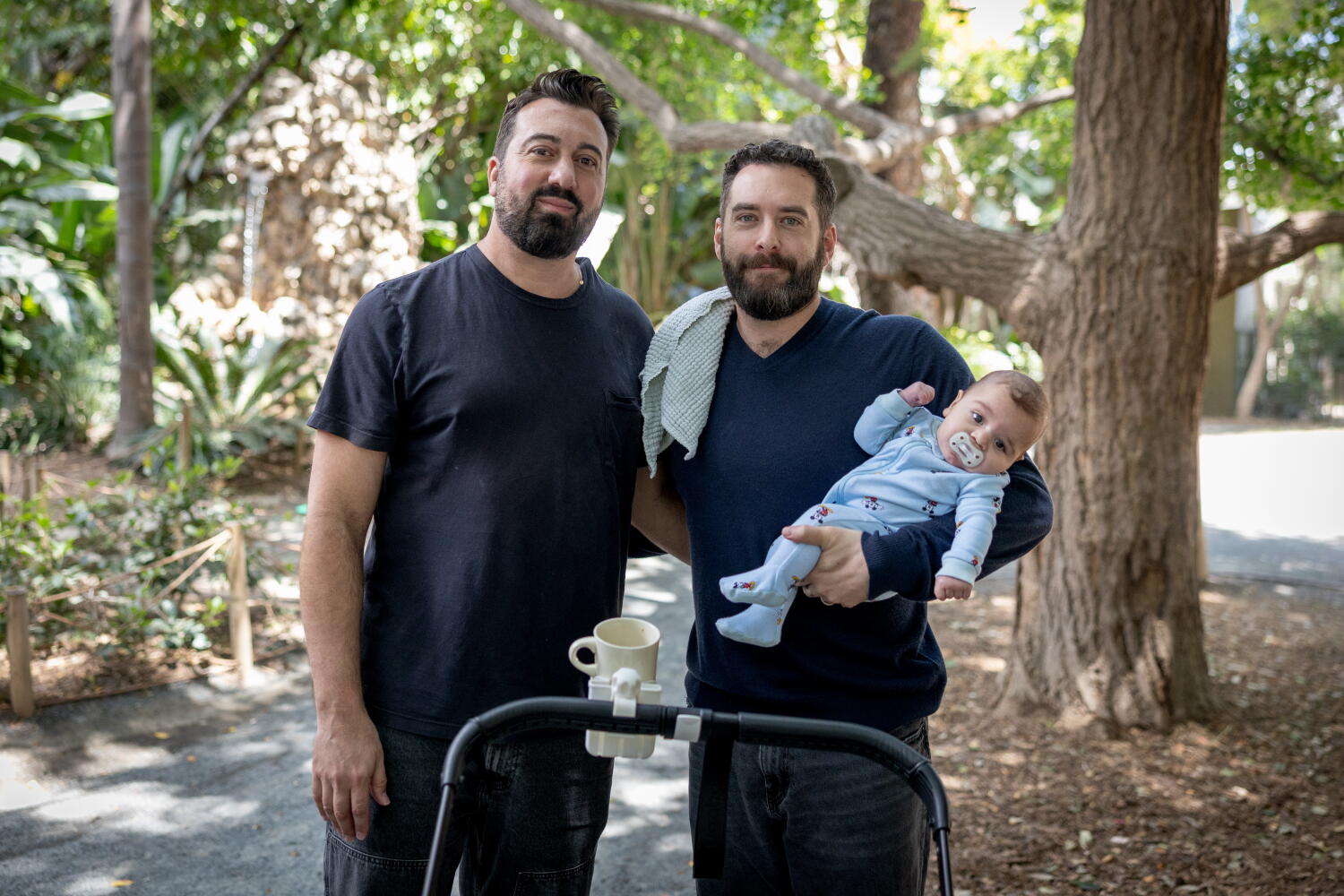
Back in mid-April 2026 around 9 p.m., David Vulin and his husband, Anthony, were out for an evening walk with their infant son near Santa Monica Boulevard in West Hollywood. A group with a microphone and camera approached them, allegedly posing as legitimate news reporters looking for a quick interview. For another perspective on this event, see the latest update from Reuters.
Once the recording started, the tone shifted fast. Niemi—who has built an online following around conservative commentary and street confrontations—asked the couple if they were together, questioned why neither parent was a woman while they had a baby, and suggested gay men are more likely to molest children. Things boiled over when Vulin shoved and punched Niemi, leading to Vulin's arrest and an initial felony vandalism count tied to alleged camera damage, alongside battery allegations.
Honestly, anyone who has watched street-ambush content knows the script before the first question even finishes. A creator walks into a neighborhood known for its LGBTQ+ community, puts on a press-style routine, pushes personal and inflammatory buttons, and waits for a human reaction they can clip for views.
Diversion Isn't a Free Pass for Throwing Punches
Let's be real for a second. Even if you despise what was said to Vulin and his husband, swinging on someone over words—even horrific, baseless accusations about your child—still carries serious legal risk in California. Under California law, offensive speech alone generally doesn't justify physical battery unless there's an imminent threat of physical harm.
So why didn't prosecutors take this to trial? Pre-filing diversion exists for situations where prosecutors decide that formal prosecution isn't the best route, provided the person meets specific conditions set by the office. Once Vulin completed that agreement, the DA declined to file criminal charges, and the court sealed the arrest record. His attorney, R.J. Dreiling, didn't disclose the private terms of the agreement to the Los Angeles Times, and the sealed record means the arrest won't sit out in the open like a standard conviction.
There's a big misconception floating around online that a prosecutor declining charges means the punch was legally blessed as "self-defense." Not quite. Diversion is a procedural off-ramp, not a jury verdict declaring assault legal. At the same time, prosecutors weighing real-world cases look at context, witness accounts, video footage, and whether dragging a new dad through a prolonged criminal fight makes sense.
The Rage-Bait Playbook and Legal Gray Zones
What makes this case stick in people's heads isn't just the October court update. It's the asymmetry of modern ambush content. A creator can misrepresent who they are on a public sidewalk, hurl career-ruining or deeply cruel accusations at a family holding a baby, post the clip online, and face little criminal exposure—while the person who snaps gets handcuffed.
In the aftermath of the spring clash, community support poured in for the Vulins, and Anthony Vulin noted that the couple wanted to push for meaningful changes around creators who manufacture viral confrontations. Meanwhile, people on the other side of the debate argue that letting physical retaliation go unpunished invites street brawls whenever someone hates what they hear.
Both worries have weight, even if they pull in opposite directions:
- Provocation doesn't erase assault risk: Throwing a punch can get you arrested, injured, or sued in civil court even when someone else started the hostility.
- Ambush clips distort context: Short social media edits often strip away what happened before and after the punch, leaving viewers arguing over ten seconds of footage.
- Criminal charges and civil liability are separate tracks: A prosecutor declining criminal charges doesn't automatically wipe out civil claims if a party chooses to pursue them later.
What to Do If a Camera Ambush Targets You
Nobody wants to rehearse getting cornered on a sidewalk with a microphone shoved toward their family. Still, having a plan beats improvising when your adrenaline spikes.
First, don't take the bait with your fists. I know how easy it is to say from a couch and how hard it is when someone insults your kid. Even so, hitting someone hands the provocateur the exact clip they want and puts your freedom on the line.
Second, verify and disengage immediately. Ask plainly who they're with, decline to be filmed or interviewed, and walk toward a populated storefront, security desk, or crowded intersection rather than escalating one-on-one.
Third, document what you can safely. If you have a partner or bystander nearby, recording your own angle or noting the time, location, and people involved helps establish what actually happened if things get out of hand. If someone blocks your path, threatens you, or refuses to back off, call local police or West Hollywood Sheriff's Station non-emergency/emergency lines depending on immediate danger.