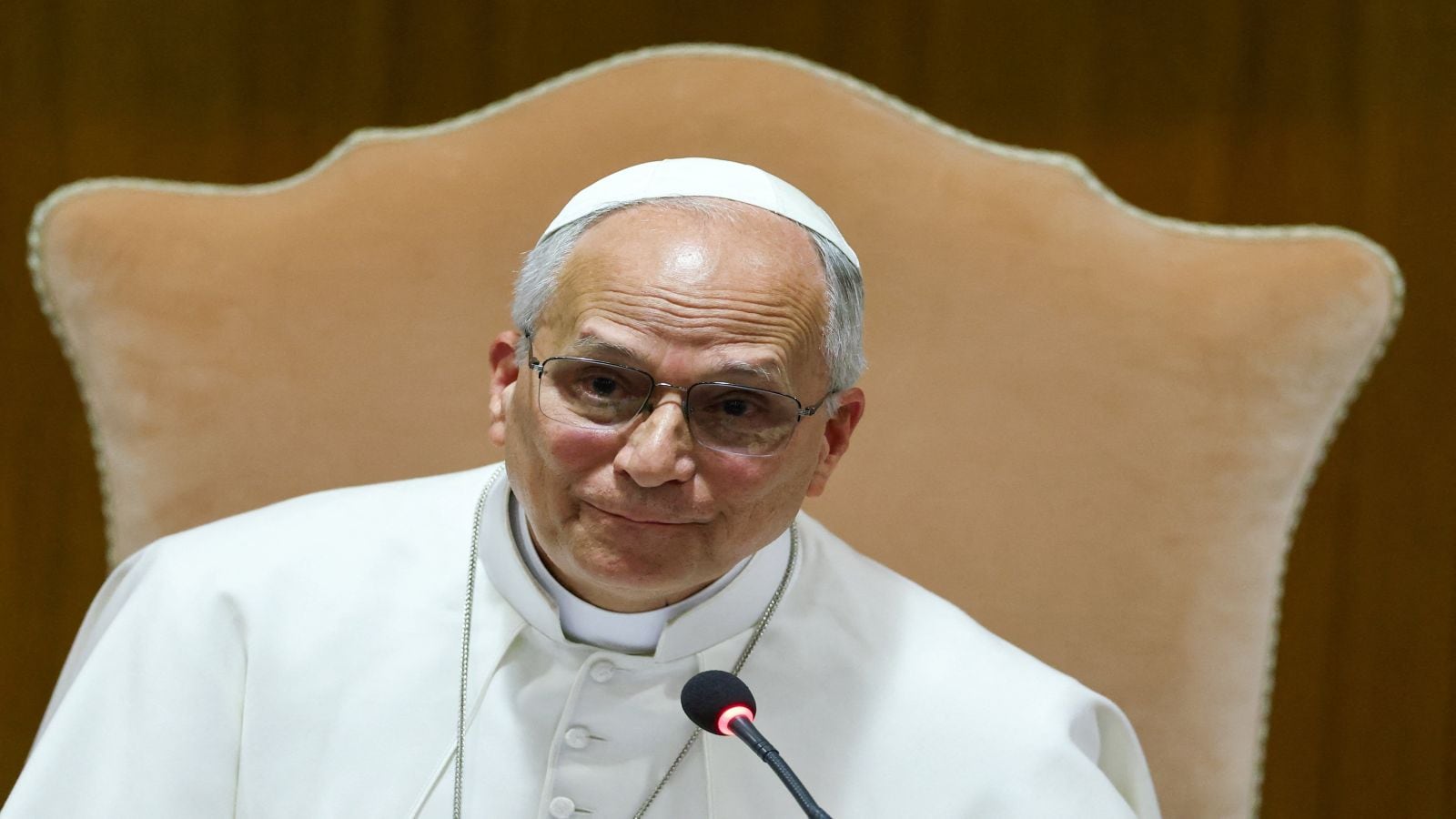
Walk someone out of a hospital four days after lung cancer surgery and half the internet will call it a triumph of modern medicine. Walk Pope Leo out on October 17 after a four-day stay and watch the headlines turn into instant hagiography.
Speed is not health. Speed is throughput.
When a competitor headline trumpets that Pope Leo will be released from the hospital on October 17—just four days after lung cancer surgery—the lazy consensus writes itself. Modern thoracic care is fast. Minimally invasive techniques work wonders. The pontiff is resilient. Case closed.
Except that reading a four-day discharge as proof of a clean bill of health mistakes a billing and bed-management metric for clinical recovery. In oncology and thoracic surgery, getting out of the hospital fast tells you something about the procedure and the hospital's discharge protocol. It tells you very little about long-term recurrence, pulmonary reserve, or what happens in the quiet weeks when the cameras move on.
I have spent years watching organizations—from hospital networks to corporate leadership teams—confuse rapid motion with durable outcomes. I have seen institutions blow millions chasing speed metrics while ignoring the slow-burn risks sitting right underneath. When a high-profile figure leaves a surgical ward in ninety-six hours, the public treats the exit door as the finish line. Clinically, it is barely the end of the first lap.
What Four Days Actually Measures
Let us get the terminology straight before anyone starts hand-waving about miracles. "Lung cancer surgery" is not one single operation. It is an umbrella term that can cover a wedge resection, a segmentectomy, a lobectomy, or even a pneumonectomy, performed via video-assisted thoracoscopic surgery (VATS), robot-assisted surgery, or an open thoracotomy.
A four-day inpatient stay after a major thoracic resection—especially in an older patient or a high-stakes public figure—usually points toward a minimally invasive approach with relatively smooth early postoperative milestones. Pain control is tolerable enough to walk the halls. Air leaks in the chest tube have resolved or stabilized enough for removal or outpatient management. Oxygenation looks acceptable on room air or low-flow support.
Those are real wins in the immediate window. Nobody who understands thoracic oncology should pretend otherwise. Minimally invasive techniques have genuinely reduced hospital stays and early wound morbidity compared with older open approaches.
Still, treating a four-day discharge as proof that the cancer is beaten or the lungs are back to baseline is sloppy thinking. Hospital discharge criteria answer a narrow operational question: Is this person safe enough to leave the ward right now with planned follow-up? They do not answer whether microscopic disease remains, how well the remaining lung tissue handles physical and cognitive stress, or how adjuvant treatments might complicate recovery later.
Think about how we treat software launches or major restructuring projects when things go smoothly in week one. Early stability feels great. Everyone claps. Then three weeks later, under real load, the edge cases show up. Human physiology works on its own clock, not a press-release cycle.
The Wrong Question Everyone Is Asking
Search feeds around a story like this fill up with predictable questions. Is a four-day hospital stay normal after lung cancer surgery? How fast does someone recover from lung cancer surgery? Does leaving the hospital quickly mean the cancer was caught early?
Those questions start from a flawed premise: that calendar days inside a hospital room are the primary scoreboard of surgical success.
In real oncology practice, surgeons and multidisciplinary tumor boards look at completely different variables. They look at staging—clinical versus pathological stage once the tissue is examined under a microscope. They look at margin status and lymph node sampling. They look at pulmonary function, cardiac strain, postoperative complications that surface after discharge, and whether systemic therapy (such as chemotherapy, immunotherapy, or targeted therapy) is even needed or tolerated.
A patient can leave the hospital in four days and still face a tough road ahead. Conversely, a patient who stays seven or eight days because of a stubborn air leak, atrial fibrillation, or extra physical therapy might go on to do wonderfully. Comparing two recoveries solely by hospital length of stay is like judging a marathon runner by how fast they cleared the first water station.
If you want to ask a better question after an October 17 discharge date, ask this: What changes in the patient's daily workload, travel schedule, and medical oversight over the next ninety days?
Why Institutions Love Fast Exits
There is a structural reason headlines lean toward fast-recovery narratives. Institutions—hospitals, governments, corporations, and religious hierarchies alike—have strong incentives to project continuity and control.
When a leader undergoes surgery for a malignancy, uncertainty spikes immediately. Markets jitter if it is a CEO. Allies and critics alike read tea leaves if it is a head of state or a major religious figure. A crisp timeline—surgery on one date, discharge four days later on October 17—projects order. It gives the public a neat arc: threat appears, intervention happens, normal operations resume.
That narrative is comforting. It is also incomplete.
Even with skilled surgeons and modern protocols, thoracic surgery carries real physiological trade-offs. Removing lung tissue—even a smaller portion—reduces breathing reserve. Anesthesia, pain medications, disrupted sleep, and emotional stress all tax an older body. Returning to public appearances or demanding schedules too quickly creates a gap between looking functional and having physiological margin to spare when a routine viral infection or stressful week hits.
| Common Assumption | What It Actually Means | Why It Misleads People |
|---|---|---|
| 4-day discharge = full recovery | Early inpatient milestones were met safely | Early discharge is a start, not a finish line |
| Fast exit = minor issue | Often reflects modern minimally invasive technique and good early stability | Pathology and staging still govern long-term outlook |
| Public return = back to 100% | Visible duties resumed under managed conditions | Hidden fatigue and reduced reserve take longer to clear |
| Short stay = zero complication risk | Immediate inpatient window stayed clear | Post-discharge issues and follow-up care still matter |
The Heavy Hitters and What They Emphasize
Major cancer centers and thoracic surgical societies—such as the American Cancer Society, the National Comprehensive Cancer Network (NCCN), and the Society of Thoracic Surgeons—have spent years hammering home a point that gets lost in sensationalist coverage: lung cancer outcomes depend heavily on accurate staging, multidisciplinary coordination, and tailored follow-up care, not viral recovery timelines.
When a tumor is caught early and localized, surgical resection can be curative or part of a highly effective plan. When nodal involvement or more advanced staging is found, surgery is often one piece of a broader strategy. And even after successful early-stage surgery, structured surveillance scans and clinical checkups remain standard because recurrence risk does not vanish the day the discharge paperwork is signed.
That reality cuts against the human desire for binary endings. We like cured or doomed, strong or frail. Real medicine lives in probabilities, staging categories, pathology reports, and follow-up intervals.
Imagine a scenario where a prominent leader is discharged after four days, holds a brief public wave from a balcony or window, and schedules a full slate of meetings for the following Monday. On camera, the message is unmistakable: business as usual. Behind closed doors, however, the real test is whether their advisors protect their recovery window, monitor subtle signs of fatigue or infection, and respect the biological reality of healing tissue.
Where My Contrarian Take Can Go Wrong
Being contrarian for its own sake is cheap. Anyone can pour cold water on good news. So let us put the downside of my own skepticism right on the table.
First, over-indexing on worst-case caution can breed unnecessary alarmism. Not every lung cancer diagnosis is a death sentence, and not every rapid discharge is a cover-up for hidden disaster. Plenty of patients—including older adults—undergo lung surgery, leave the hospital promptly, avoid major complications, and return to meaningful, active lives. If a contrarian critique turns every positive milestone into a dark omen, it loses credibility fast.
Second, skepticism without context can undervalue real surgical progress. Minimally invasive thoracic techniques, refined anesthesia, and structured early-mobilization protocols have changed what the first week after chest surgery looks like. Giving credit to better surgical technique is not the same thing as declaring total victory over cancer. Drawing that line accurately matters.
What Actually Works After Surgery Like This
If you or someone you care about is navigating recovery after lung surgery—or trying to make sense of a high-profile case without falling for spin—skip the cheerleading and focus on execution.
- Separate day-four mobility from ninety-day stamina. Walking comfortably at discharge is great. Expecting pre-surgery energy levels in two weeks is a recipe for setbacks. Pace physical activity gradually and track breathlessness, sleep quality, and lingering fatigue.
- Treat pathology and follow-up as the real turning point. The surgical day gets the headlines; the pathology review and oncology follow-up set the actual roadmap. Know what stage was confirmed, whether margins were clear, and what surveillance or additional therapy is planned.
- Guard the quiet window against premature overload. High-pressure schedules punish healing bodies. Whether it is a pope, an executive, or an everyday patient, protecting rest, hydration, pulmonary exercises, and early symptom reporting beats trying to prove toughness ahead of schedule.
- Read big announcements with a cold eye. When an institution announces a four-day discharge on a set date, ask what is confirmed versus what is aspirational. Good news can still be partial news.
Stop celebrating the exit door and start watching the ninety-day curve.