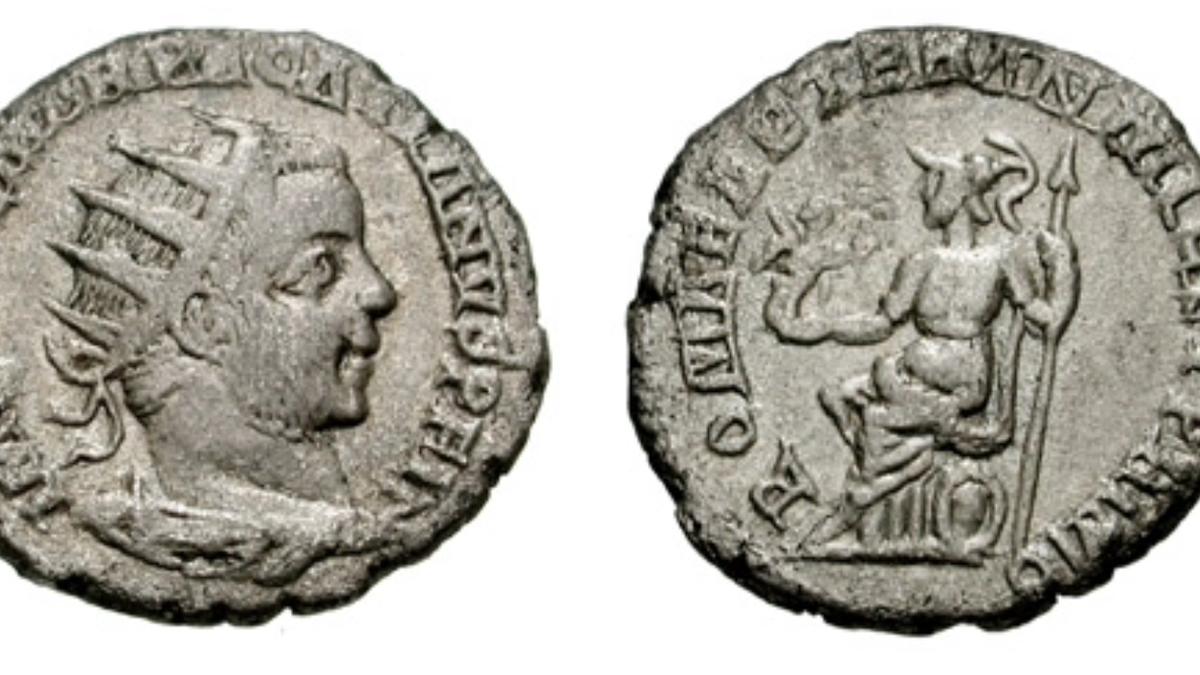
The founding of Rome on April 21, 753 BCE, functions less as a chronological marker and more as a foundational case study in geopolitical scalability and urban resource management. While popularized as a mythological narrative involving Romulus and Remus, the "Natale di Roma" represents a deliberate shift from decentralized pastoralism to a centralized urban hegemony. To analyze this event is to examine the architectural and social protocols that allowed a small settlement on the Palatine Hill to transition into a global logistical superpower.
The Geomorphological Imperative
The selection of the Seven Hills was not a matter of aesthetic preference but a calculated response to the environmental constraints of the Latium region. The Tiber River served as the primary transit corridor, yet its floodplain presented significant structural risks. Rome’s early developers utilized a "Vertical Defensive Framework" to mitigate these risks:
- Topographical Advantage: The Palatine and Capitoline Hills provided natural elevation for defensive fortifications, minimizing the labor costs associated with building artificial barriers.
- Hydrological Control: The eventual drainage of the marshy lowlands between the hills—the site of the future Roman Forum—transformed a liability into the world’s first centralized administrative hub.
- The Tiber Siphon: By positioning the city at a fordable point on the Tiber, the founders gained control over the North-South trade routes of the Italian peninsula, effectively taxing the flow of salt and livestock from the interior to the coast.
The Romulean Proto-State and Institutional Scalability
The traditional account of Romulus establishing the pomerium (a sacred boundary) serves as an early example of "Regulatory Zoning." This boundary did not just separate the urban from the rural; it defined the legal jurisdiction where civil law superseded military command. This distinction created the stability necessary for long-term capital investment.
The initial social stratification—dividing the population into patricians and plebeians—established a binary class system that, while prone to friction, provided a clear chain of command and responsibility. The Curia, or assembly of tribes, functioned as a primitive data-processing unit, allowing the leadership to track manpower and resource availability for seasonal military campaigns.
The Cost of the Mythic Narrative
The divergence between the archaeological record and the Ab Urbe Condita (from the founding of the city) narrative creates a tension that most observers fail to quantify. Carbon dating of wall fragments on the Palatine suggests a complex, incremental settlement process rather than a singular "founding" event.
The utility of the 753 BCE date is socio-political. By anchoring the state to a specific day—April 21—the Roman leadership created a recurring "Institutional Synchronization Event." This annual celebration, the Parilia, originally a rural sheep festival, was repurposed to reinforce national identity. The shift from biological cycles (herding) to political cycles (the city’s birthday) marks the birth of the state as a dominant psychological entity.
Structural Bottlenecks in Early Urban Expansion
The growth of early Rome faced three primary bottlenecks that required systemic innovation to overcome:
- Sanitation and Waste Management: As population density increased, the organic waste profile of the Palatine became unsustainable. The construction of the Cloaca Maxima was the necessary engineering response to prevent the collapse of the labor force due to waterborne pathogens.
- Logistical Security: Protecting the grain supply from neighboring Sabines and Etruscans necessitated a shift from defensive posture to preemptive expansion.
- Legal Fragmentation: Integrating diverse ethnic groups (Latins, Sabines, and later Etruscans) required a move toward a universal legal code, preventing the high transaction costs associated with tribal blood feuds.
Ritual as a Mechanism of Social Cohesion
The "Natale di Roma" festivities, historically and in modern reenactments by groups like the Gruppo Storico Romano, are not merely performances. They are a continuation of the Mos Maiorum (the way of the ancestors), a psychological framework that rewards adherence to tradition and punishes radical deviation. This framework reduces the "Social Maintenance Cost" of the state by instilling a self-regulating sense of duty within the citizenry.
The Trench of the Comitium (the Mundus) represented the physical manifestation of this cohesion. It was the point where the city connected with the underworld, serving as a metaphysical anchor for the legal and religious structures of the state.
Modern Economic Impact and Cultural Tourism
In the current fiscal landscape, the Natale di Roma has transitioned into a major driver of "Heritage Capital." The city of Rome leverages this historical date to optimize tourism yields during the spring shoulder season. The economic value of the event is measured through:
- Asset Utilization: Utilizing public spaces (The Forum, Circus Maximus) for high-visibility reenactments increases the per-square-meter revenue of historical sites.
- Global Brand Equity: Reinforcing Rome's status as the "Eternal City" maintains a high barrier to entry for competing Mediterranean destinations that lack equivalent historical depth.
- Indirect Multiplier Effects: The surge in domestic and international arrivals on April 21 stimulates the hospitality and service sectors, offsetting the high maintenance costs of preserving the city’s aging infrastructure.
Tactical Implementation for Historical Analysis
To truly understand the "Birth of Rome," one must move beyond the hagiography of Romulus and apply a rigorous examination of the city’s early resource allocation. The survival of the Roman project was not guaranteed by divine favor but by the successful integration of defensive geography, aggressive trade control, and a scalable legal framework.
The strategic play for modern administrators and historians is to treat April 21 not as a moment of "creation," but as the start of a continuous optimization cycle. Future urban planning in Rome must reconcile the preservation of these founding "legacy systems" with the demands of a 21st-century digital and physical infrastructure. The objective is to maintain the city's relevance by ensuring that its historical narrative remains a functioning asset rather than a decorative liability. Observe the current shifts in Italian cultural policy: the move toward privatizing the management of certain archaeological sectors suggests a transition toward a "Public-Private Heritage Model" designed to extract maximum value from the city's 2,700-year-old brand.