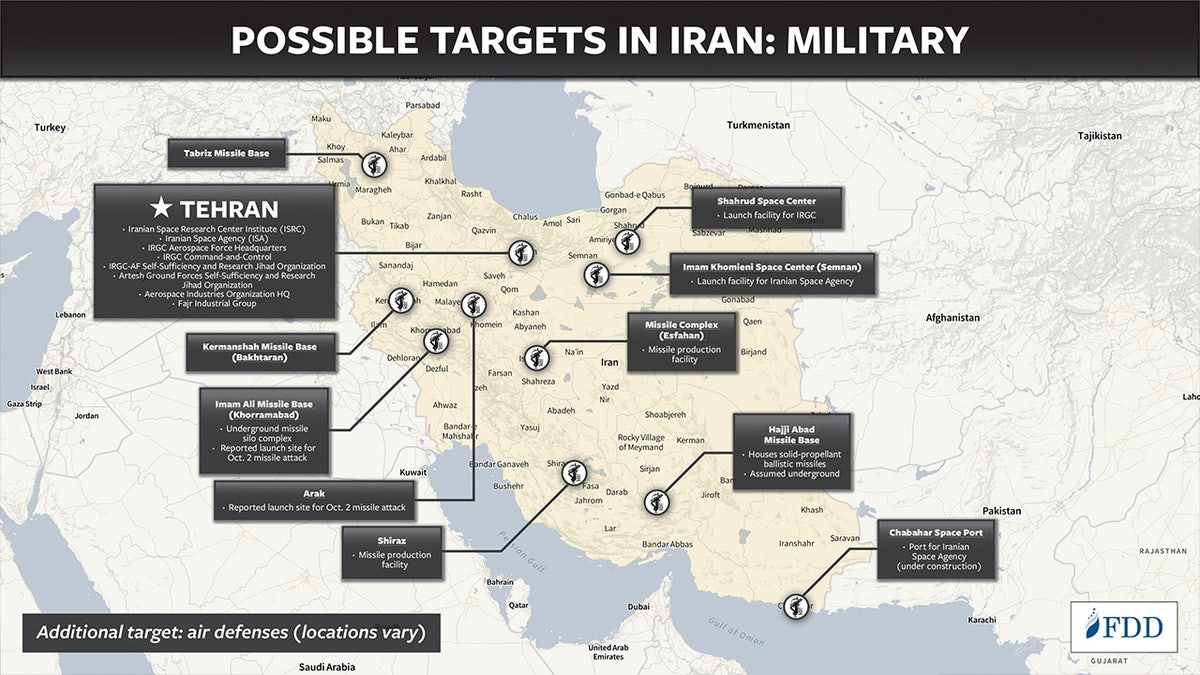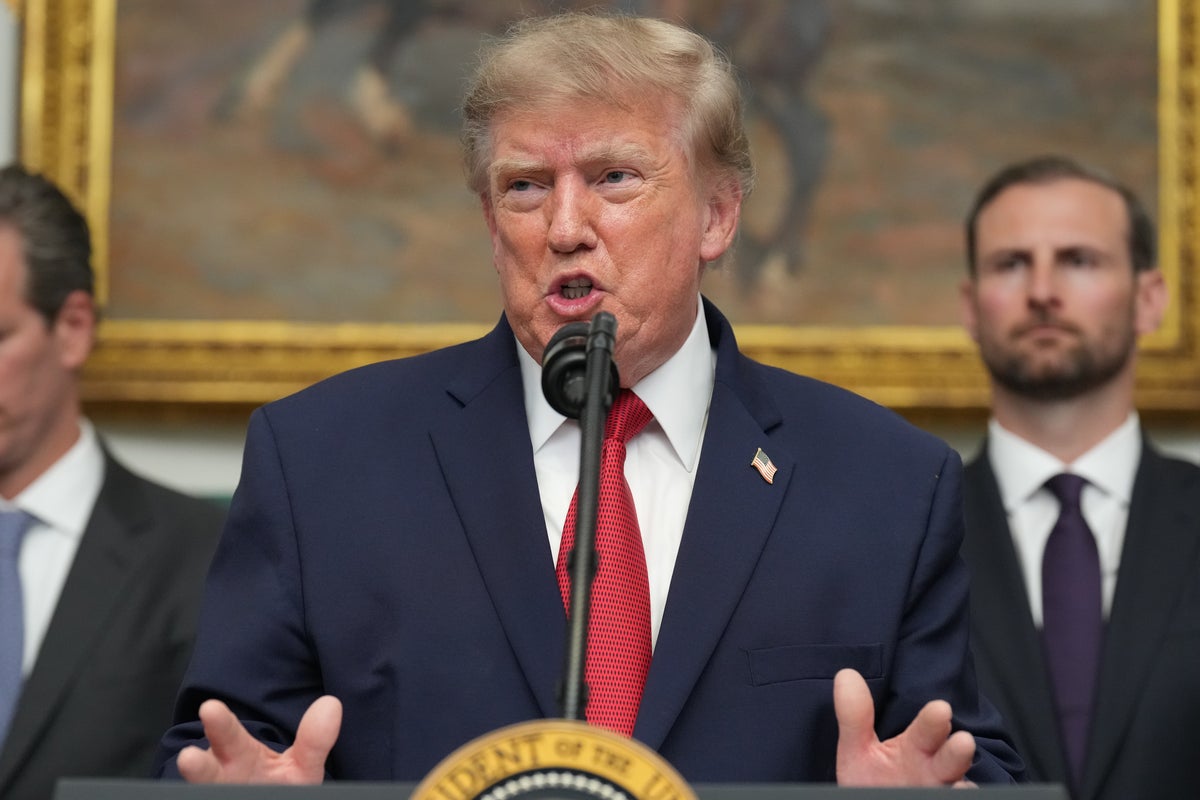
Foreign policy rarely bends to theatrical posturing. When political commentators start arguing that a commander-in-chief cannot afford to look weak on the international stage, the conversation usually misses the messy reality of modern geopolitics. Donald Trump finds himself caught in this exact narrative web as tensions with Tehran refuse to simplify into a neat Hollywood ending.
Public perception in Washington often treats foreign adversaries like bad actors in a movie. If you don't land a knockout punch, the pundits declare you defeated. But statecraft doesn't work that way. The ongoing standoff with Iran involves broken agreements, regional proxies, and economic choke points like the Strait of Hormuz. Analysts on cable news networks frequently reduce these high-stakes calculations to personal vanity, claiming that optics dictate survival.
Yet, treating geopolitical strategy as a personal ego contest creates dangerous blind spots. When leaders worry more about avoiding embarrassing headlines than establishing stable diplomatic guardrails, policy decisions become erratic. Real strength isn't about avoiding a bruised image; it is about sustaining long-term security goals without stumbling into an unwanted regional war.
The media machine thrives on manufactured humiliation. Every diplomatic pivot or stalled negotiation gets framed as a defeat. If an administration pushes for a renewed diplomatic arrangement, critics shout about appeasement. If threats escalate, others warn of reckless escalation. This catch-22 leaves very little room for pragmatic governance.
To understand why these narratives persist, look at how the press covers White House press briefings. When reporters press officials on whether Iran is outmaneuvering American strategy, the response is usually defensive bluster. Nobody in power wants to admit that complete control over a sovereign, hostile regime is an illusion.
Moving past the talking points means accepting that containment is messy. It requires ignoring the commentators who measure strength by television ratings rather than strategic stability. Real power means ignoring the noise and refusing to let critics dictate your next move.
For more context on how these high-stakes diplomatic and economic negotiations are playing out in real time, you can watch this analysis on the Fox Business Video.