The English Channel is one of the busiest maritime highways on earth. It is also an unforgiving graveyard when things go wrong at sea.
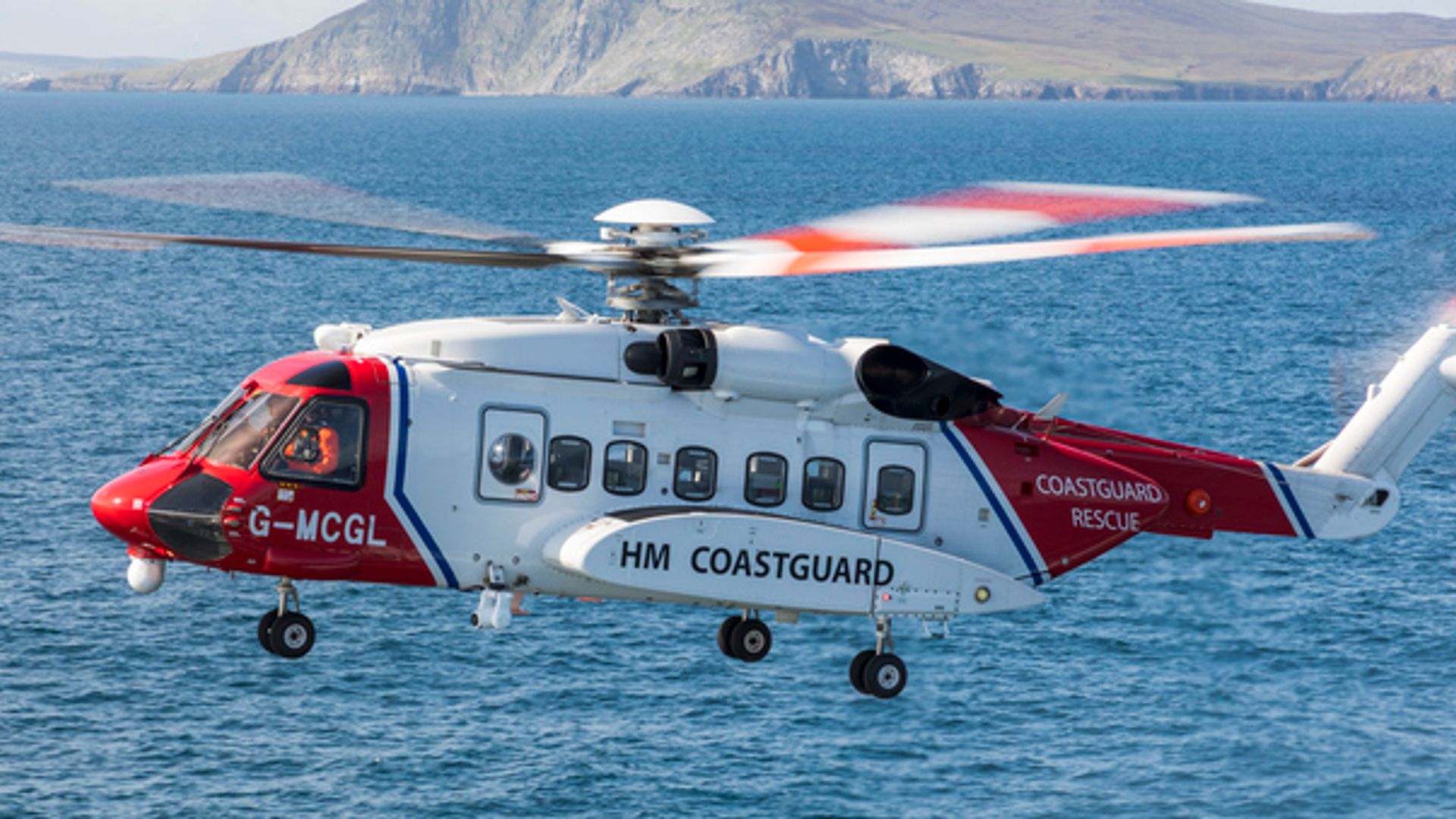
Recent headlines highlight this grim reality yet again. Two people remain missing and three others were pulled from the water after a French-registered fishing vessel went down off the coast of Plymouth. The Maritime and Coastguard Agency received a distress call just after six in the evening, triggering a massive search effort involving coastguard helicopters, fixed-wing aircraft, and Royal National Lifeboat Institution lifeboats from Falmouth and Plymouth.
While three crew members were rescued and rushed to the hospital for urgent care, the search for the remaining two unfortunates stretched through the night. Incidents like this raise hard questions about commercial fishing safety, search operations in volatile waters, and the inherent dangers facing modern mariners.
The Reality of Emergency Response off Plymouth
When a vessel goes down southwest of the Eddystone Lighthouse—roughly fifteen miles off the Devon coast—every minute counts. Water temperatures, tidal streams, and shifting weather patterns dictate whether a rescue mission becomes a recovery operation.
The response deployed by the UK Coastguard was substantial. Scrambling fixed-wing assets alongside helicopters and lifeboats shows the sheer scale required to scan open water for human targets. Yet, ocean conditions rarely cooperate. Even with advanced thermal imaging and radar technology, spotting a person bobbing in choppy seas is remarkably difficult.
Three survivors made it out alive. We do not yet know the exact sequence of events that sent the vessel to the bottom, but rapid sinkings usually point to catastrophic flooding, structural failure, or sudden stability loss.
Why Commercial Fishing Remains High Risk
Commercial fishing routinely ranks as one of the most dangerous professions on the planet. Unlike cargo ships or passenger ferries, fishing vessels operate close to the water line, juggle heavy deck machinery, and haul massive dynamic loads under immense pressure.
Common hazards that trigger emergency distress calls include:
- Gear snagging: Towing heavy nets that catch on seabed obstructions can heel a vessel over in seconds.
- Water ingress: Aging hull plates, failed sealants, or compromised bulkheads can flood a engine room before pumps can keep up.
- Extreme fatigue: Long shifts in brutal weather erode reaction times and decision-making clarity.
When a boat takes on water rapidly, crew members have mere moments to don life jackets, deploy life rafts, and send out precise coordinates. If the power fails instantly, transmission of position data becomes compromised, forcing rescue coordinators to rely on last-known positions and drift calculations.
What Happens Next in the Search
As multi-agency teams continue sweeping the channel corridors, the focus shifts toward survival limits and drift modeling. Search planners use sophisticated software accounting for wind velocity, surface currents, and wave action to project where missing persons might drift over a twenty-four-hour window.
Local mariners and commercial vessels transiting the channel often join these efforts, acting as extra eyes on the water. For the families of the two missing fishers, the waiting game is agonizing. Maritime authorities have kept assets deployed around the clock, refusing to scale back while a glimmer of hope remains.
Safety regulations across European fleets have tightened over the decades, but the ocean remains an unpredictable force that routinely humbles modern engineering. Respect the sea, check your safety gear, and remember how quickly routines turn into fight-for-your-life emergencies.