Three American service members are dead. Another five are seriously wounded. This grim news marks the first confirmed U.S. casualties since the launch of Operation Epic Fury against Iran. It’s a sobering shift. The situation on the ground across the Middle East is changing fast.
President Donald Trump confirmed the loss, calling the fallen "true American patriots." He also didn’t pull any punches about what’s ahead, admitting that more lives will likely be lost before this campaign ends.
The Reality of the Conflict
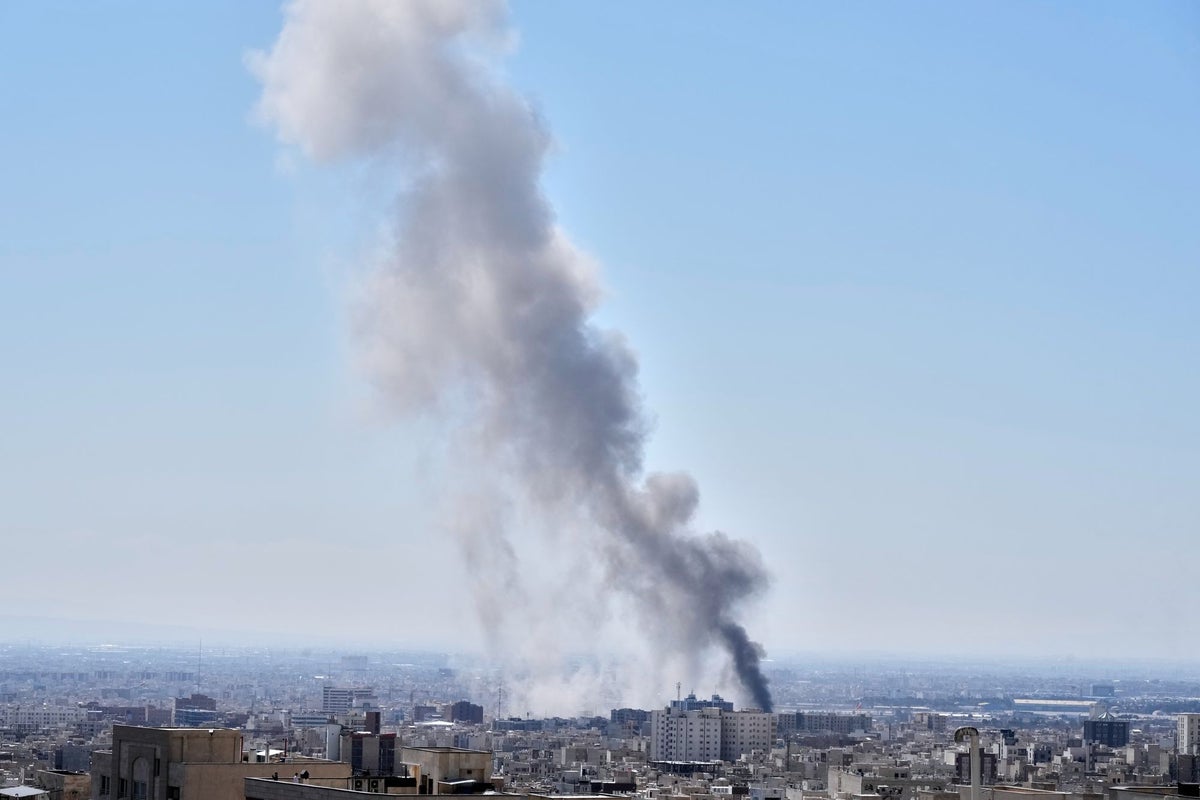
The military hasn’t released where or exactly how these deaths happened. That’s standard protocol while they notify families. What we do know is that these casualties occurred as the U.S. and Israel continue a massive, joint aerial offensive. This isn't a minor skirmish. It’s an operation targeting the core of Iran’s military infrastructure, including ballistic missile facilities and command centers.
The speed of this escalation is jarring. Iran is not sitting idle. They’re firing back with barrages of missiles and drones targeting U.S. bases in Kuwait, Bahrain, Qatar, Jordan, and the United Arab Emirates. It's a full-on regional retaliation.
Why This Changes Everything
For months, the talk has been about strategic degradation—striking targets to remove threats. But combat, by its very nature, is unpredictable. When you have U.S. personnel in the line of fire, the stakes transcend logistics.
It also complicates the political narrative. We are seeing a move away from the "surgical strike" image to a much messier, more dangerous reality. The Pentagon is currently managing "dozens and dozens" of incoming threats while simultaneously carrying out their own strikes. It’s an incredibly tight spot for commanders on the ground. They have to balance aggressive offensive operations with the constant need to protect their own people from Iranian counter-strikes.
What You Need to Know About the Current Environment
The "fluid" situation mentioned by Central Command isn't just PR speak. It describes a battlefield where the lines are blurred. Here is the reality of the theater right now:
- Retaliatory Fire: U.S. bases are seeing persistent missile and drone attempts. While many are intercepted, the sheer volume means some get through.
- Supply Chain and Air Defense: There is mounting concern among defense officials regarding the sustainability of current air defense stockpiles. Keeping the sky clear over multiple bases simultaneously is a monumental task.
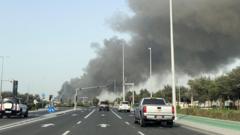
- Regional Disruption: It’s not just the military. Global commerce is taking a hit. Major aviation hubs like Dubai have faced shutdowns due to the threat of incoming fire.
This isn't just a military operation anymore. It’s a multi-front crisis that is spilling over into civilian infrastructure and the global economy.
Assessing the Strategy
The stated goal of Operation Epic Fury is to neutralize Iran’s ability to project power. By targeting leadership and military capabilities, the strategy relies on the assumption that Iran will be forced into submission or internal collapse.
However, the response we’re seeing indicates that Iran is doubling down. They’re not just defending; they’re trying to turn the entire region into an active conflict zone. This forces the U.S. to commit even more resources and keep personnel in harm's way for longer than perhaps initially planned.
The human cost is now the central topic. For families, for the military, and for the administration, this changes the calculation entirely. We are no longer watching from the sidelines of a limited strike. We are in the middle of a war where the cost of entry is rising daily.
If you're following this, watch for updates on the scope of future operations and how the Pentagon shifts its defensive posture to protect those remaining in the region. The coming days will show if this is a manageable escalation or the beginning of a much wider, more enduring conflict.