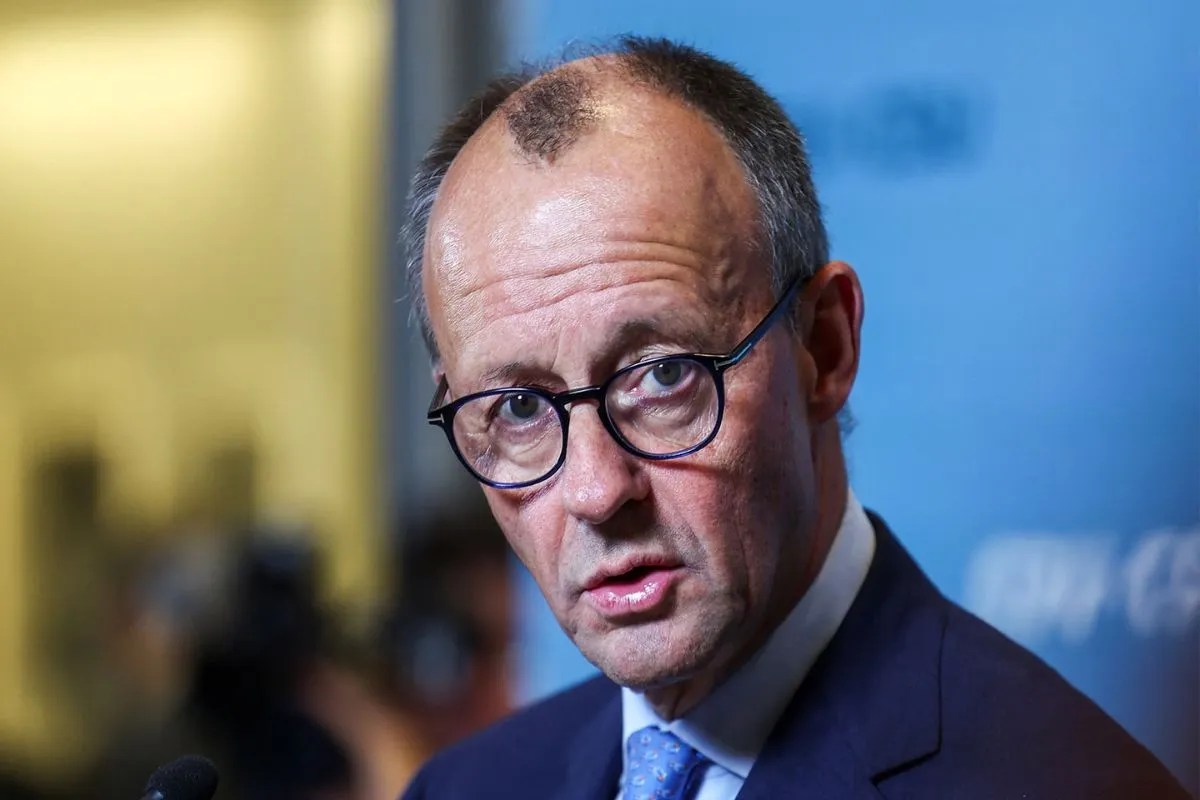
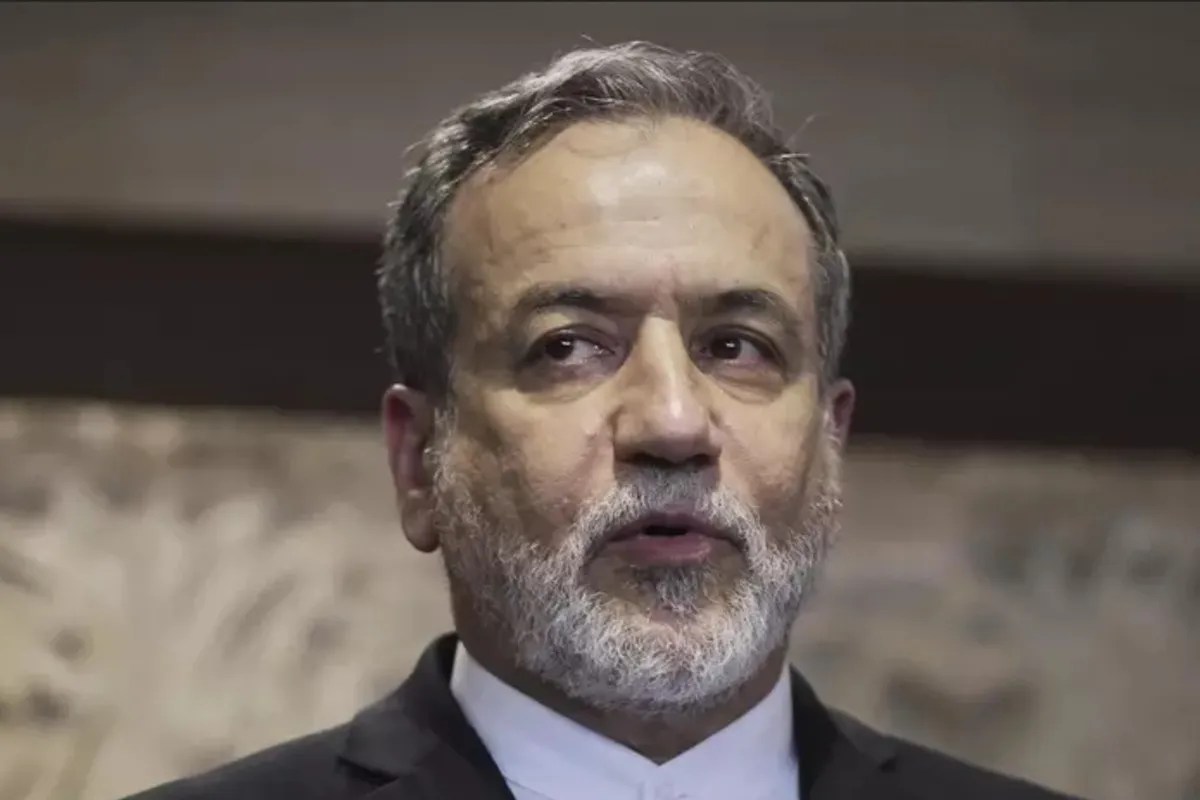
Five days. A pulled Wall Street Journal interview. A quick summons to see JD Vance. Then the trapdoor opened.
When White House press secretary Katie Zacharia vanished from that interview in mid-October 2026, conventional coverage treated it like a slapstick routine. Look at the standard framing from outlets like NDTV and the rest of the wire-service pack: a shaky debut briefing, bar-exam scrutiny, a rough TV appearance, a nudge from Donald Trump to "reconsider," a chat with Vance, and boom—out the door faster than Anthony Scaramucci's ten-day stint in the first term. For another look, consider: this related article.
That framing is lazy. Worse, it misses the real mechanics of high-stakes crisis communications.
People keep asking the wrong question. They ask why a newcomer stumbled at the podium or who pulled the trigger during that meeting with JD Vance. The sharper question is why any modern executive—political or corporate—puts an unvetted surrogate into a live firestorm with zero runway and expects anything other than public immolation. Similar analysis regarding this has been shared by TIME.
The Lazy Consensus Around a Five-Day Flameout
The standard media narrative relies on a neat cause-and-effect chain. Briefing goes south. Credentials get picked apart. Leadership loses patience. Exit stage left.
It makes for snappy headlines and easy schadenfreude. It also lets the people who hired and deployed her off the hook.
In high-level communications—whether in a West Wing briefing room or a Fortune 500 earnings crisis—the press secretary is rarely the architect of the message. They are the front-line conduit. When a spokesperson flames out in less than a week, blame almost always splits between two failures:
- Vetting failures before day one: Credential questions—like bar-exam status—do not materialize out of thin air once a camera turns on. If a principal does not audit a surrogate's background before handing them a microphone, that is an organizational flaw, not a surprise twist.
- Preparation and positioning failures on day one: Stepping to a podium or into a primetime grilling without tight briefing materials, clear boundaries, and rehearsal sets a spokesperson up to absorb shrapnel meant for the top of the ticket.
I have seen companies blow millions on crisis PR retainers only to send an unprepared executive onto a hostile broadcast with a binder full of talking points written thirty minutes earlier. The result is predictable. Soundbites go sideways. Clips circulate for days. Someone takes the fall, and everyone pretends the system worked because accountability happened fast.
Fast exits are not proof of decisiveness. Often, they are proof of panic.
What Actually Happens in a "Quick Chat" Before an Exit
Rumors about who said what behind closed doors—whether Vance delivered the final word after Trump suggested Zacharia reconsider the job—make great palace intrigue. Still, focusing on the hallway choreography distracts from how rapid removals work in practice.
By the time a senior surrogate is pulled out of an active interview for a quiet word with leadership, the reputational math has already shifted. In Washington and in boardrooms alike, leaders watch three gauges when a new spokesperson hits turbulence:
- Message discipline: Does the surrogate stay on core themes, or do unforced errors—like misspoken names or awkward exchanges—drown out the policy agenda?
- Credibility under pressure: When hostile questions hit credentials, past statements, or shifting facts, does the spokesperson parry cleanly or invite follow-up stories?
- Principal protection: Is the spokesperson shielding the principal's standing, or becoming a distraction that drags leadership into defending the messenger instead of the message?
Once all three gauges flash red at once, cutting ties quickly feels cleaner than dragging out a multi-week slow bleed. Yet cutting ties after five days carries its own cost: it signals chaos right before a high-stakes window, such as a major election cycle.
Dismantling the "People Also Ask" Myths
"Was Katie Zacharia fired simply because of a bad first press briefing?"
No. A rough debut is survivable if leadership owns the rollout and the spokesperson shows rapid course correction. A five-day exit points to a compound failure—a shaky podium turn compounded by credential scrutiny and mounting friction across media appearances. One bad day rarely ends a tenure; a piling-on effect where every appearance feeds the next story usually does.
"Does firing a press secretary quickly fix a communications problem?"
Only on paper. Replacing the person at the lectern swaps the face on television, yet it leaves the underlying process untouched. If rapid hiring, thin prep, and reactive media booking caused the crash, the next person inherits the exact same landmines.
"Why do leaders bring in outside or non-traditional communicators if the risks are this high?"
Because loyalty, familiarity, and television instincts look attractive from the outside. In high-pressure environments, however, familiarity is not media training. Knowing a leader's worldview is not the same as sparring with veteran correspondents or handling gotcha questions on live air.
A Thought Experiment in Communications Malpractice
Imagine a scenario where a fast-moving tech firm hires a charismatic internal evangelist to handle press during a regulatory storm. No opposition research is run on past posts. No mock pressers are held. On day two, a reporter asks a sharp question about a past qualification and a shifting company claim. The evangelist stumbles, an unflattering clip goes viral, and within seventy-two hours the company fires them to stop the bleeding.
Did the firing solve the problem? It stopped that specific clip from mutating for another week. It did not fix the lack of vetting, the lack of rehearsal, or the leadership habit of treating high-stakes public comms as an afterthought.
What Heavy Hitters in Communications Know—And Where Contrarian Speed Fails
Veteran communications strategists—from seasoned White House press veterans like Dee Dee Myers and Joe Lockhart to corporate crisis specialists who study reputation risk—converge on one unglamorous truth: preparation is the job; the podium is just the exam. You do not cram for the exam while sitting in the desk.
There is a flip side to my contrarian argument, and I will own it without flinching. Sometimes a quick cut is the least-bad option. When a surrogate loses credibility on day one and cannot recover in front of skeptical reporters, prolonging the agony for a month can inflict far more damage than a swift exit. Speed can stop a fire from spreading to the rest of the house, even if it proves the wiring was sloppy to begin with.
Unconventional Rules for Running High-Stakes Spokespeople
If you run an organization, a campaign, or a public brand and want to avoid turning a high-profile hire into a five-day cautionary tale, follow rules that most teams skip:
- Run a red-team audit before announcing the hire. Treat every potential spokesperson like an opposition researcher does. Pull every old clip, resume line, credential, and public remark before the ink dries.
- Ban "cold" live appearances in week one. Give any new spokesperson controlled reps first. Throwing someone straight into hostile briefings or combative cable hits before they learn the rhythms of the room invites avoidable wounds.
- Separate loyalty from readiness. Wanting to serve the team is admirable. Readiness requires drills, message discipline, and command of facts under pressure.
- Measure leadership's prep discipline, not just the messenger's poise. When a spokesperson stumbles, audit the briefing book and the decision chain that put them there before blaming only the person at the mic.
Five days in the spotlight does not ruin a communications operation by accident. It exposes how much structure was missing before the lights came on.