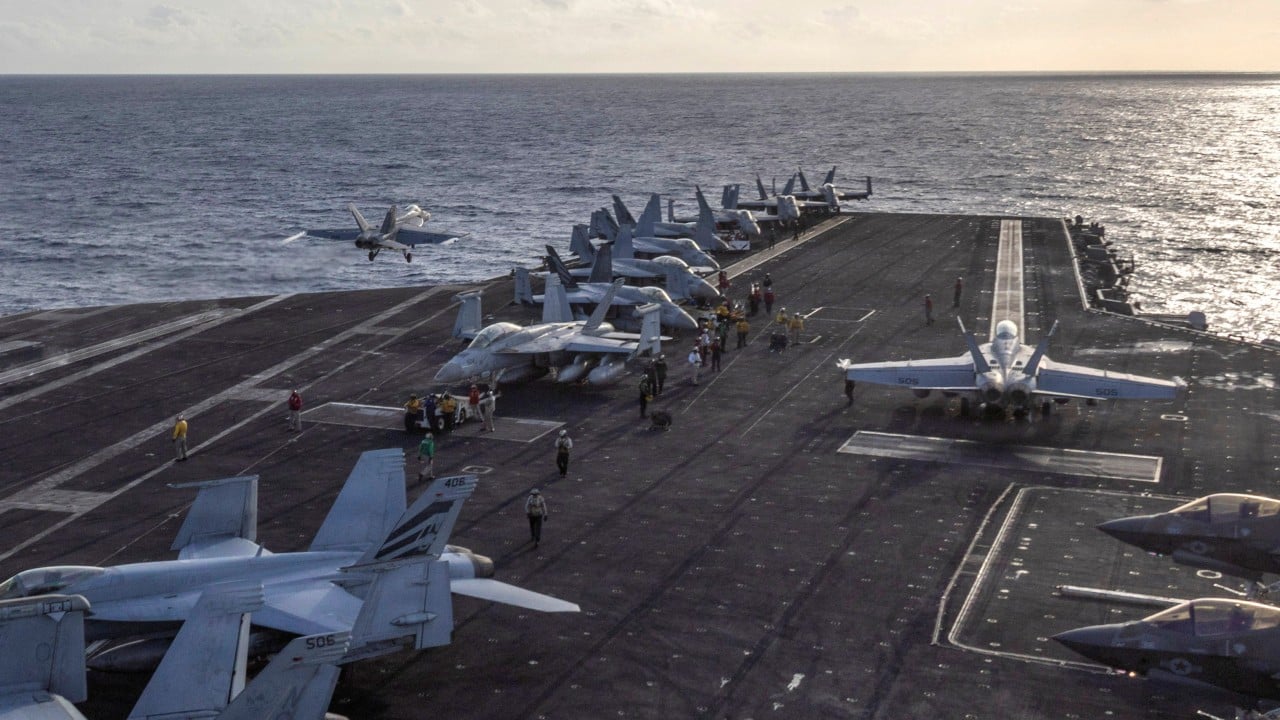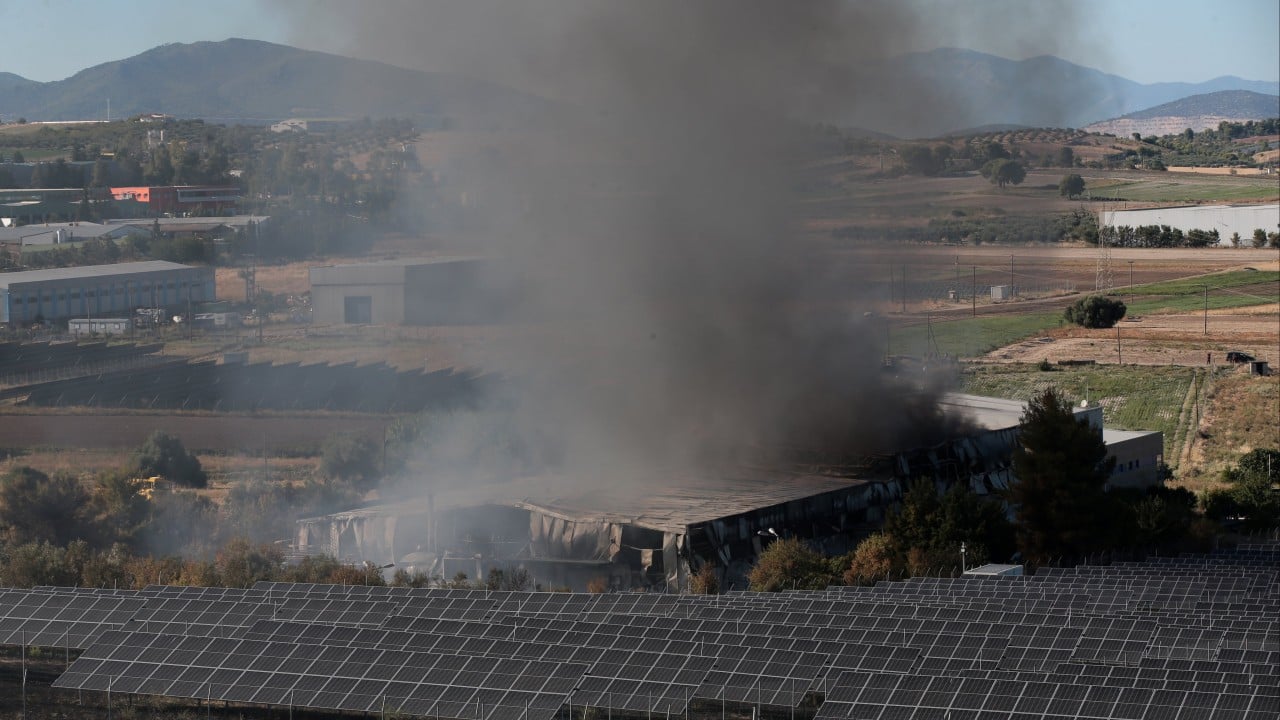
The rules of engagement in the Middle East shifted again when the United States military struck three Iranian oil tankers in the Persian Gulf. Washington framed the kinetic action as a necessary measure of self-defense after Navy warships faced incoming missile fire. But looking only at the immediate exchange misses the broader machinery of maritime warfare, economic strangulation, and gray-zone escalation that defines modern naval strategy.
We have watched this script unfold before. A patrol in contested waters, a sudden radar signature, an incoming threat, and a rapid retaliatory strike. Yet targeting economic infrastructure—specifically fuel carriers rather than purely military assets—signals an escalation ladder that carries profound consequences for global energy stability and shipping lanes. Don't miss our earlier article on this related article.
The Anatomy of a Gulf Escalation
To understand why a missile attack on American naval assets results in burning oil tankers miles away, you have to look at how modern maritime deterrence operates. Naval commanders do not simply react to a single threat vector. They map the entire network supporting hostile operations.
Iranian asymmetric warfare relies heavily on a triad of fast attack craft, coastal cruise missile batteries, and commercial or state-affiliated vessels that serve auxiliary functions for the Islamic Revolutionary Guard Corps Navy. When a surface action group reports incoming fire, the response doctrine dictates neutralizing not just the immediate launcher, but the economic and logistical lifeblood sustaining those operations. To read more about the background of this, NBC News provides an in-depth summary.
Fuel is currency in these waters. By hitting tankers, the Department of Defense seeks to choke the operational reach of regional proxies while sending an unmistakable signal about the cost of targeting American hulls.
Why Tankers Become Targets
Commercial shipping has long been weaponized or exploited in modern conflicts. Iran has frequently utilized a shadow fleet of tankers to bypass international sanctions, moving crude through dark activities while masking vessel identities.
When these vessels operate in close coordination with state military apparatuses, the distinction between civilian commerce and military logistics blurs significantly. Analysts tracking Gulf security note that the targeted tankers were suspected of carrying fuel allocations designated for maritime units stationed along strategic chokepoints.
- Sanctions Enforcement Meets Kinetic Action: Intercepting revenue streams has transformed from a diplomatic exercise into a naval targeting priority.
- The Chokepoint Dilemma: The Strait of Hormuz remains a fragile artery for global petroleum transport, where any kinetic disruption sends immediate shockwaves through futures markets.
- Plausible Deniability: Tehran frequently uses non-traditional assets to test American resolve, forcing Washington to calibrate its response to avoid a full-scale regional war while still restoring deterrence.
The Economic Shockwave
Energy markets react instantly to smoke rising over the Persian Gulf. Brent crude futures jumped within hours of the announcement, reflecting immediate anxiety among traders and shippers.
Insurance premiums for vessels transiting the region spiked overnight. Underwriters adjust their risk matrices the moment live ordnance is employed against tankers, regardless of the flag they fly or the cargo they carry. This creates an indirect economic toll that extends far beyond the immediate combatants. European and Asian economies, heavily reliant on Middle Eastern energy imports, absorb the friction of delayed cargo, rerouted voyages, and inflated insurance costs.
Military planners weigh these economic ripples against the absolute necessity of protecting deployed service members. When a warship detects a radar lock and incoming telemetry, trade deficits and oil futures take a backseat to fleet survivability.
Navigating the Gray Zone
We are living through an era defined by gray-zone conflict. This is the space between peace and total war, where nations clash through cyber operations, proxy skirmishes, and targeted maritime interdictions.
Neither Washington nor Tehran wants a total conventional war. A full-scale land invasion of Iran is a strategic non-starter, and an all-out naval conflict would devastate global supply chains. Instead, both sides test the boundaries of acceptable aggression. Iran pushes the envelope by launching missiles at surveillance or combat assets. The United States answers by destroying high-value economic targets to re-establish a baseline of deterrence.
This dynamic creates a permanent state of edge-of-the-seat tension. Every patrol becomes a potential flashpoint. Every miscalculated radar return risks spiraling out of control before diplomatic channels can open.
The Broader Strategic Reality
The strikes on the Iranian oil tankers demonstrate that Washington is willing to cross traditional thresholds to protect its naval dominance. For decades, the unwritten rule of Gulf security involved keeping skirmishes contained to direct military-on-military friction or proxy clashes ashore. Bringing commercial energy infrastructure directly into the crosshairs changes the calculus for every nation operating in the region.
Shipping companies must now re-evaluate their risk calculus. Regional navies must adjust their patrol patterns to account for an increasingly trigger-happy environment. And policy makers in capitals around the world are left scrambling to decode the next move in a chess match where the board itself is starting to burn