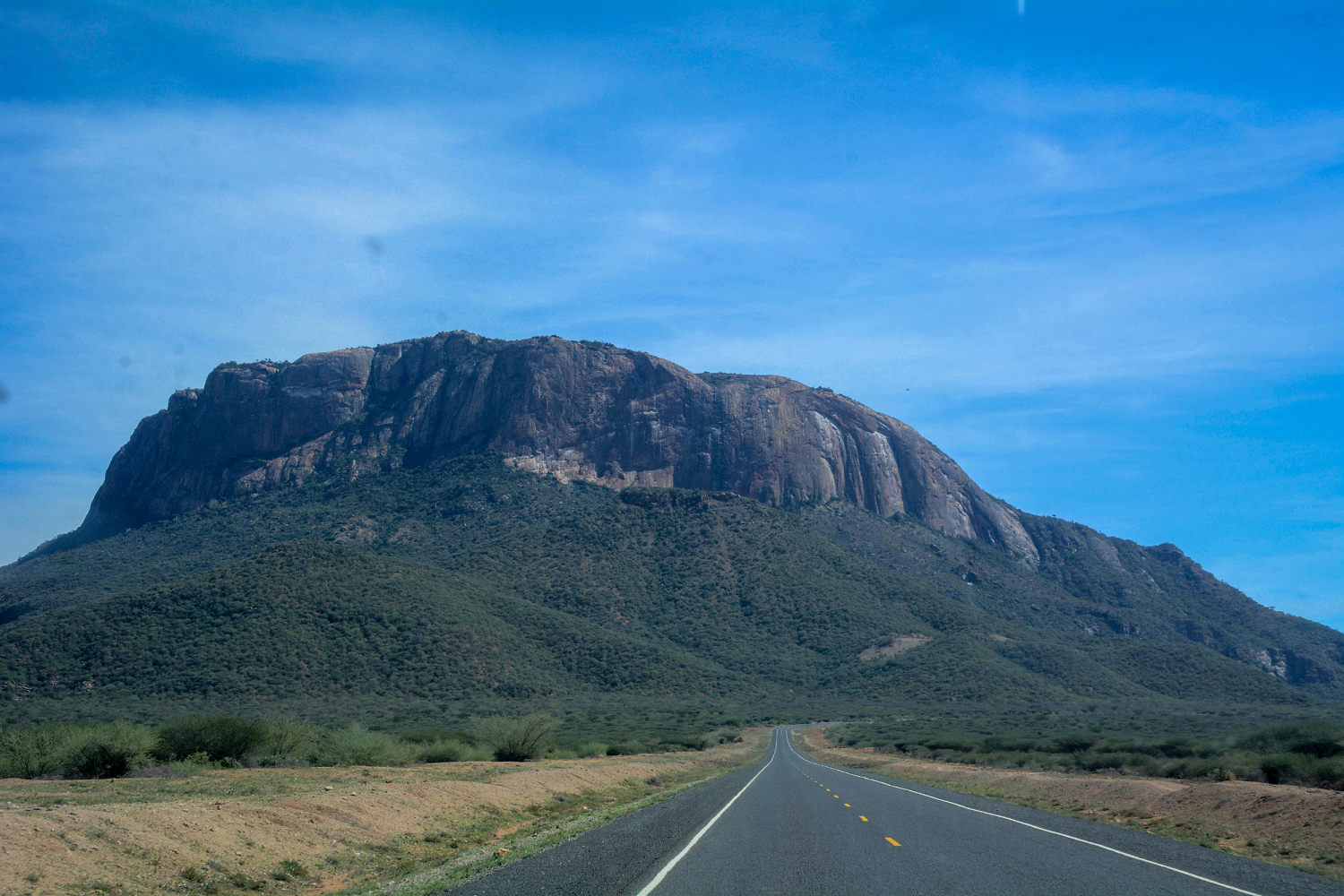
The air over Kenya is heavy with an ancient, quiet majesty. Down below, the earth splits open in a jagged scar of green and rust, a geological masterpiece known as the Great Rift Valley. From the sky, the landscape looks like a sleeping giant, indifferent to the fragile machines that buzz against its vast horizon.
Helicopters do not belong up here. They defy gravity through sheer stubbornness, their metal rotors beating the thin African air into submission. But they offer a perspective that nothing else can buy. They grant travelers the illusion of flight, the sensation of slipping the surly bonds of earth to hover like a hawk above the savanna.
On a fateful afternoon, one such machine climbed into that luminous sky.
It carried seven souls. Four of them were Americans. Among them was a man whose life was built on communication, on bridging worlds through the power of television and executive leadership at Telemundo. They were tourists, professionals, seekers of wonder. They had boarded the aircraft to witness the wild heartbeat of a continent from above.
Instead, they met silence.
The Silence After the Spin
Tragedy rarely announces itself. It arrives with a sudden, sickening shudder. One moment, there is the steady hum of the engine and the collective gasp of awe at the sweeping vistas below. The next, there is chaos.
Details emerge slowly, agonizingly, through the fog of official statements. The crash happened in a remote area. Local police, emergency responders, and aviation authorities rushed toward a plume of smoke that no one wanted to see. The wreckage scattered across the brush did not just mark the end of a flight; it shattered families, corporations, and communities thousands of miles away.
Four American lives snuffed out in an instant. Three others lost alongside them.
We read numbers like this on screens every day. We scroll past them while sipping morning coffee, our brains numbed by the sheer volume of distant grief. Statistics are easy to digest. They keep us safe from the raw, jagged edge of reality.
Hypothetically, imagine sitting in that cabin. Imagine the sudden tilt of the horizon, the frantic realization that the machine is no longer flying, but falling. The mind races backward through a lifetime in fractions of a second. A career built in Miami boardrooms. A vacation planned for months, maybe years. A ticket purchased for an adventure of a lifetime.
Then, nothing.
The Weight of Distant Horizons
Kenya is a magnet for the restless and the curious. The allure of its national parks, its towering peaks, and its sweeping valleys draws hundreds of thousands of visitors each year. Tourism is the lifeblood of its economy, an engine of connection that brings people from New York, Los Angeles, and Madrid into the heart of the wild.
We travel because we want to feel small. We want to stand before something older and grander than ourselves and remember that our daily worries are microscopic in the grand scheme of the cosmos.
Yet, proximity to the wild carries an unspoken tax.
When you leave the paved highways and take to the skies in light aircraft or helicopters to tour remote reserves, you are trusting a complex web of mechanics, weather patterns, and human judgment. Aviation in rugged terrain is unforgiving. A sudden downdraft, a mechanical glitch, a patch of poor visibility—the margin for error shrinks to zero.
Consider what happens next in the wake of such a disaster. Consulates mobilize. Families fly halfway across the world to claim bodies. Corporate headquarters issue solemn statements of mourning, struggling to reconcile the sudden absence of a leader who walked their hallways just days prior.
The media cycles churn. Questions are asked about safety records, pilot hours, and weather conditions. Investigators comb through scorched metal looking for answers that will never bring anyone back.
The Unseen Ripple
Grief does not care about borders.
When a Telemundo executive and his fellow travelers perish in East Africa, the shockwaves radiate outward in concentric circles. They hit the newsrooms in Florida. They hit dining rooms across the United States. They hit local communities in Kenya where first responders stared into the smoke and did what they could.
We are all connected by these invisible threads. Every person who steps onto an airplane or a helicopter is chasing a story. They want to see the sunrise over the Mara. They want to capture a memory that will outlive them.
The tragedy in Kenya reminds us of the profound fragility underlying our modern mobility. We board planes and helicopters with casual indifference, trusting the invisible infrastructure of global travel. We forget that the sky is not a highway; it is an element.
Sunlight still hits the Great Rift Valley every morning. The grass continues to sway in the dry season wind. The shadows of clouds drift slowly across the earth, erasing the marks of what came before.
The wreckage has been cleared. The official reports will eventually gather dust in government archives. But the empty chairs remain. The silence left behind in homes across continents lingers like the heavy air before a storm.


