The glow of a ring light is a strange light to govern by.
In a sterile basement office somewhere beneath the apparatus of the American executive branch, young staffers stare at vertical glass. They are armed not with parchment or policy papers, but with trending audio tracks, fast cuts, and the nervous energy of people who know their entire department's relevance depends on whether a fifteen-second clip of a person in a suit can pass for authentic.
They want to be where the kids are. That is the oldest gospel of modern institutional survival. If the youth spend their hours swiping through glowing rectangles, then the state must become a rectangle. It must smile. It must dance. It must adopt the vernacular of memes and ironic captions.
Then came the critique.
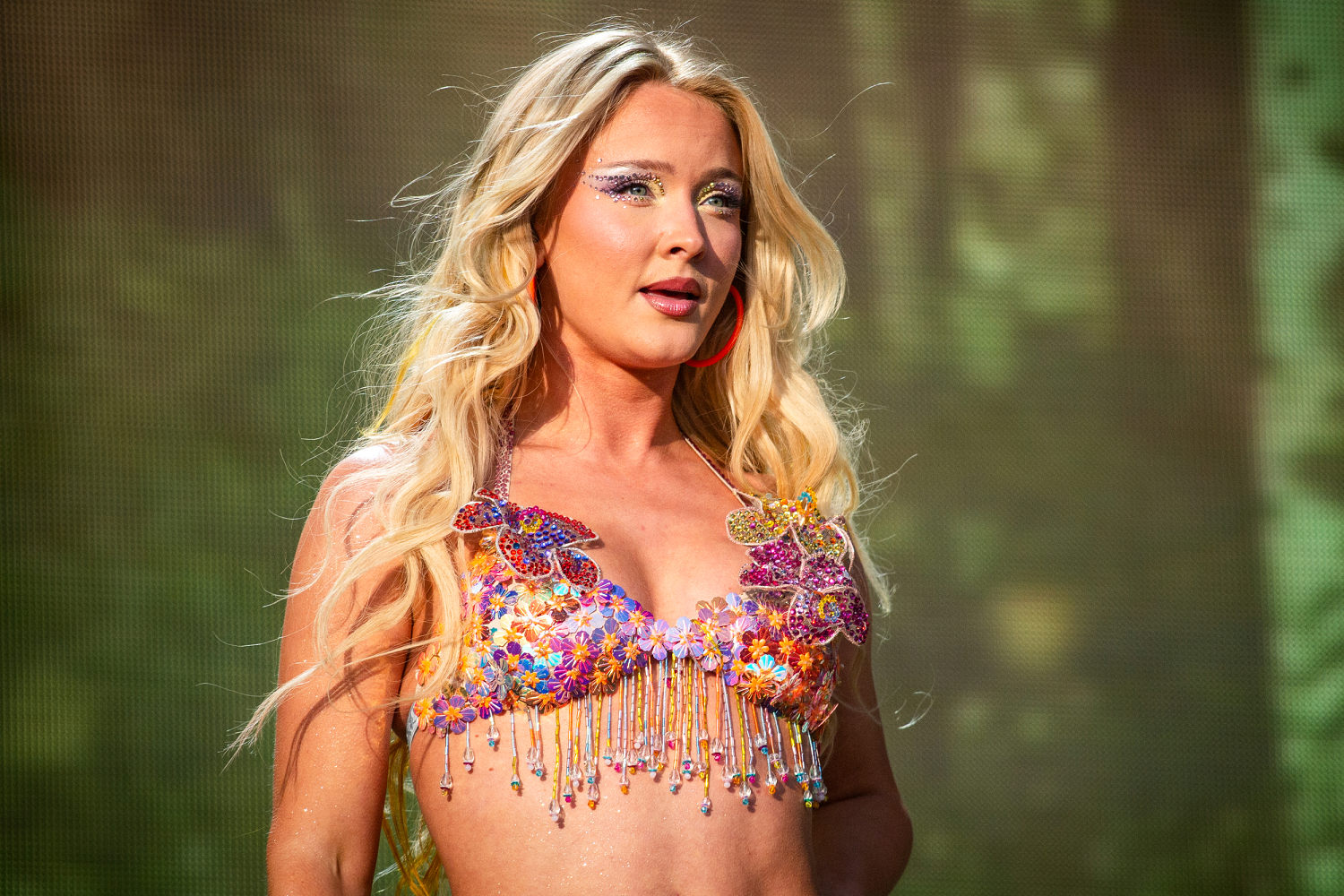
It was sharp. It was public. It arrived not as a formal diplomatic cable or a carefully worded op-ed in a broadsheet newspaper, but via the same digital architecture the administration was trying to colonize. Zara Larsson, a pop artist known as much for her piercing candor on global affairs as her chart-topping hooks, looked at the glittering, highly curated confection being beamed out by the most powerful office on earth, and she called it out.
Silence followed.
Not a measured pause for reflection. Not a spokesperson stepping up to a wooden podium with a three-ring binder to offer a nuanced defense. Just a sudden, deafening cessation of posting. The algorithm kept spinning, but the White House TikTok account stopped talking.
To understand why that silence matters, you have to look past the superficial novelty of internet beefs. You have to look at the fragile truce between political power and pop culture.
The Architecture of State Charm
For decades, the relationship between politicians and entertainers followed a predictable choreography. There were white-tie galas, late-night television couch appearances, and carefully orchestrated endorsements. The boundary lines were clear. The politician wore the gravitas; the celebrity provided the gloss.
When social media dismantled those velvet ropes, it created a dangerous illusion of intimacy.
Suddenly, an intern in Washington could edit a video with the same software as a teenager in Stockholm. The medium promised radical equality. Anyone could be an author. Anyone could be a broadcaster. But the state brings something else entirely to the table: an infinite budget backed by the monopoly on legitimate violence, wrapped in the cheerful packaging of a trending dance challenge.
When the White House enters TikTok, it is not just another creator trying to sell makeup or recount a breakup. It is the institution that decides sanctions, drafts troop deployments, and signs legislation, wearing a funny hat.
That cognitive dissonance is intoxicating until someone points it out.
Imagine walking into a high-stakes geopolitical summit where the negotiators are wearing neon clown wigs. You might laugh at first. You might even take a selfie with them. But at the moment a crisis hits—when real lives hang in the balance—the wig stops being funny. It becomes grotesque. It looks like an insult to the gravity of human suffering.
That is what Larsson’s critique did. It ripped the neon wig off the machinery of state.
The Cost of Unvarnished Truth
Pop stars exist in a strange economic ecosystem. Their currency is emotional resonance. If their audience stops believing that they mean what they sing, their career evaporates. Authenticity is their capital.
Politicians operate on a different ledger. Their currency is compliance, coalition-building, and optics. They are trained to smooth over rough edges, to speak in carefully calibrated euphemisms that offend the fewest possible voters while keeping donors happy.
When these two worlds collide on an open platform like TikTok, the friction is brutal.
Larsson has never been shy about stepping outside the safe boundaries prescribed by modern pop stardom. She has used her massive megaphone to speak out on international conflicts, bodily autonomy, and institutional hypocrisy. She does not treat her social media accounts as passive billboards for her next single. She treats them as public town squares where she is allowed to have a conscience.
So when the White House published a piece of content designed to charm an audience that was simultaneously watching devastating news unfold across the globe, Larsson did not play along. She did not send a polite direct message to a public relations liaison. She exposed the jarring disconnect between the digital cheerleading and the grim realities of executive decision-making.
The critique landed because it was undeniable. You cannot dance your way past civilian casualties. You cannot transition from a trending sound to a complex humanitarian crisis without looking hollow.
And the administration realized something terrifying in that exact second: engagement can be a trap.
When the Algorithm Bites Back
There is a common misconception that visibility is always an asset. Modern political strategists operate under the belief that any mention is good mention, that staying in the feed keeps you relevant, that silence is death.
They are wrong.
When an institution built on solemnity tries to play the viral game, it exposes its soft underbelly. On TikTok, the comment section is an equalizer. It cannot be moderated away with a press embargo. A scathing stitch or a viral duet from a credible cultural figure can undo six months of expensive PR positioning in forty-eight seconds.
The White House TikTok page went silent because the cost of speaking became higher than the cost of hiding.
Consider what happens when a government account is called out by a global pop icon with millions of devoted followers. The conversation instantly shifts from the administration's chosen narrative to a devastating critique of its credibility. The algorithms that were supposed to boost their cheerful messaging suddenly start serving the takedown to millions of feeds.
The machinery panicked.
The posts stopped. The scheduled drops were pulled. The digital strategy team retreated to their conference rooms to recalculate.
This is the vulnerability of modern optics. When you stake your reputation on being cool, breezy, and online, you become entirely dependent on the goodwill of a crowd that hates nothing more than being patronized.
The Chilling Effect on PR Sanitization
This episode marks a turning point in how political entities will use short-form video in the years to come.
For a brief window, political consultants believed they could bypass traditional journalism entirely. Why deal with a grumpy White House correspondent asking difficult questions about foreign policy when you can just drop a slick, edited video directly to voters' phones? Why face accountability when you can control the entire frame?
Larsson's intervention proved that the digital bypass is not a safe zone.
Culture has teeth. Artists who refuse to be treated as decorative props for political clout can disrupt the most expensive communication strategies with a single sentence.
When the White House went silent, it sent a quiet confession to the digital world. It admitted that the emperor had no clothes—or worse, that the emperor was trying to do a trend while the castle burned.
The lesson here is not that politicians should stay off social media. They won't. The temptation to reach younger voters directly is simply too strong. But it signals the end of easy branding. You cannot compartmentalize your actions. You cannot sanitize state power with a catchy background track.
Eventually, someone will look past the filter.
Eventually, someone will ask why the dance is happening while the world is breaking.
And when they do, the music stops. The lights go down. And the people behind the glass are left staring at their own reflections in a dark, silent screen.