The headlines are predictable. They are almost scripted. "Death Toll Rises." "Global Threat Looming." "The Congo Under Siege." If you’re reading the standard news cycle about the latest Ebola outbreak in the Democratic Republic of the Congo (DRC), you’re being fed a diet of panic that ignores the mechanical reality of modern virology. Sixty-five dead is a tragedy for families, but as a data point for a global catastrophe, it is statistically insignificant.
Mainstream reporting treats every Ebola flare-up like it’s 1976. They act as if we haven't spent billions developing the most effective containment protocols in human history. The "lazy consensus" suggests that we are one plane ride away from a global meltdown. The reality? Ebola is an incredibly poor candidate for a global pandemic. It is too lethal, too fast, and, frankly, we’ve become too good at killing it.
The Lethality Paradox
The media loves the high mortality rate of Ebola. It makes for great TV. But in the world of infectious diseases, being too good at killing your host is a biological dead end.
A virus that kills 50% to 90% of its victims—often within days of symptom onset—is a virus that burns itself out. To trigger a global crisis, a pathogen needs the stealth of a respiratory virus like influenza or the long, silent incubation period of HIV. Ebola is loud. It is messy. It is obvious. You don't walk around a grocery store for two weeks spreading Ebola without knowing you're sick. By the time you are contagious, you are usually too ill to move, let alone board an international flight.
When journalists focus on the "hundreds of infections," they miss the Lethality Paradox: the more terrifying the symptoms, the easier the containment. We aren't hunting a ghost; we’re hunting a bonfire.
The Ervebo Shield
We need to stop talking about Ebola as if it's an incurable mystery. The 2014-2016 West Africa outbreak changed the math forever. We now have the rVSV-ZEBOV vaccine, known commercially as Ervebo.
During the 2018-2020 Kivu outbreak, Merck’s vaccine showed an efficacy rate that would make most flu shots look like placebos. In a study published by The Lancet, the ring vaccination strategy—where health workers vaccinate every contact of an infected person—was more than 97% effective.
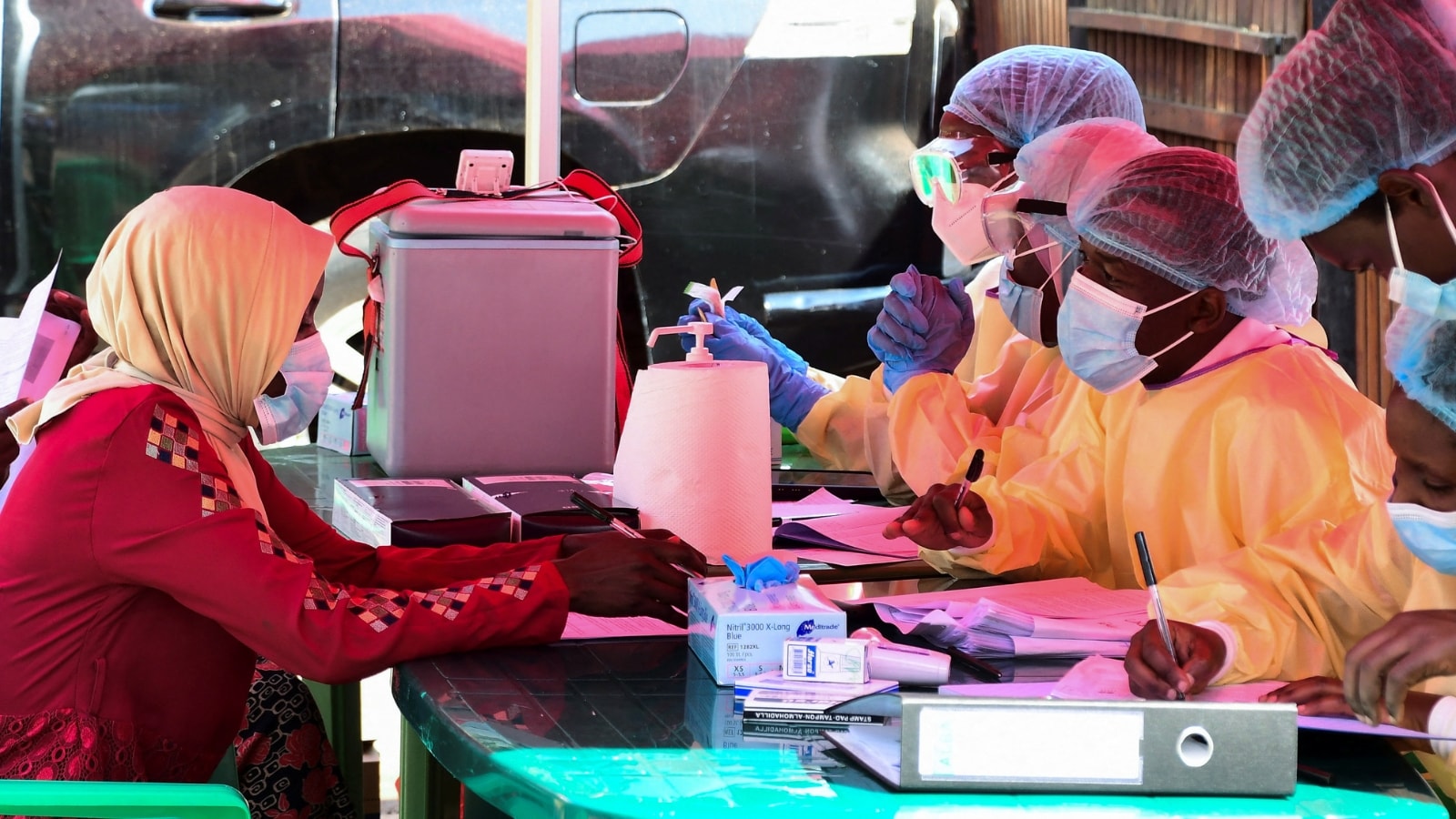
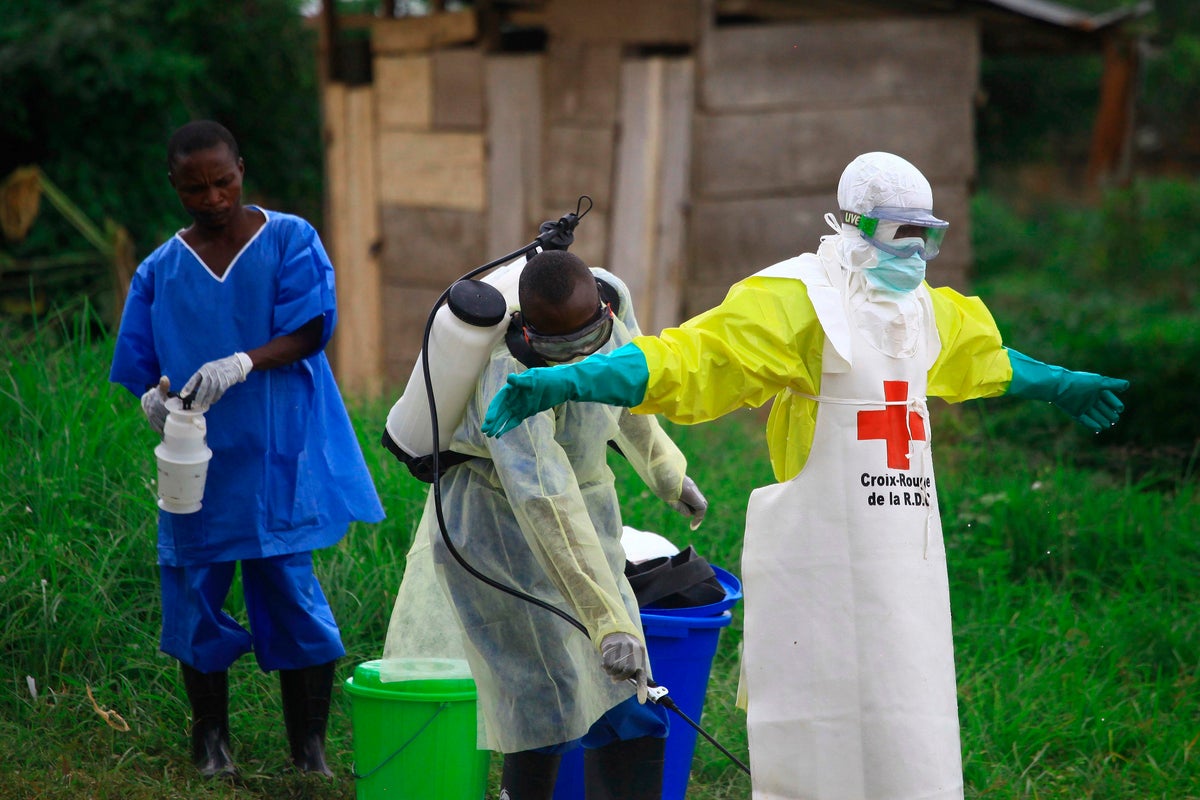
When the news cycle screams about 65 deaths, they conveniently forget to mention that thousands of doses of Ervebo are already on the ground. We aren't fighting with bleach and prayers anymore. We are fighting with targeted genetic engineering. The infrastructure in the DRC, while strained by conflict, is now some of the most "battle-tested" in the world. Congolese health workers are arguably better at Ebola containment than any suburban hospital staff in the West.
The Real Threat is Not the Virus
If you want to be worried about something, stop worrying about the filovirus and start worrying about the Trust Deficit.
I’ve seen public health initiatives collapse because of a lack of cultural literacy. The "insider" secret that nobody wants to admit is that Ebola outbreaks in the Congo aren't fueled by biological resilience; they are fueled by political instability and misinformation.
- Conflict Zones: The current outbreak is situated in regions where armed groups operate. This makes contact tracing—the bread and butter of epidemiology—a life-threatening job for health workers.
- The "White Lab Coat" Problem: When foreigners show up in spacesuits, take away family members, and return them in body bags, the local population doesn't see "healthcare." They see an invasion.
The "People Also Ask" sections on search engines always ask: "Could Ebola spread to the US?" or "Is Ebola the next COVID-19?"
The answer is a blunt "No." Ebola doesn't thrive in modern sanitation systems. It thrives in the gaps of broken trust. We are pouring money into vaccines while neglecting the reality that a community that fears the doctor will never be saved by the medicine.
The Economic Spectacle
There is a dark incentive for the media to overhype these outbreaks. It’s the Emergency Industrial Complex.
NGOs and international bodies often need the "65 deaths" to sound like "6.5 million" to unlock emergency funding. While the money is needed, the rhetoric creates a distorted view of global health priorities. While we obsess over a localized Ebola outbreak, treatable diseases like malaria and measles are quietly slaughtering tens of thousands in the same provinces.
Where is the breaking news for the 10,000 children who died of diarrhea this month? It doesn't exist because it isn't "scary." It isn't cinematic.
Stop Monitoring the Congo; Start Monitoring the Market
If you want to know if an outbreak is actually a threat, don't look at the news. Look at the logistics.
Is the World Health Organization (WHO) shipping thermal scanners, or are they shipping social workers? If they are shipping social workers, they know the biology is under control and the sociology is the problem.
The downside to my contrarian view? It requires patience. It requires acknowledging that "doing something" doesn't always mean more masks or more lockdowns in the West. It means boring, long-term investment in Congolese infrastructure so they don't need a global "save" every three years.
The Brutal Truth
The current Congo outbreak is a manageable biological event being processed through a sensationalist meat grinder.
We have the vaccines.
We have the monoclonal antibodies (like Ebanga and Inmazeb).
We have the protocols.
Ebola is no longer a death sentence; it is a failure of logistics. To treat it as a looming global apocalypse is not just scientifically illiterate—it is an insult to the Congolese experts who are currently extinguishing the fire with surgical precision while the rest of the world watches for the sparks.
Stop looking for the next pandemic in the DRC. You’re looking in the wrong direction. The next big threat won't come from a jungle; it will come from a respiratory mutation in a crowded city that you haven't even thought to fear yet.
Ebola is a ghost story we tell ourselves to feel vulnerable. In reality, we’ve already won the war against it. We just haven't figured out how to tell the survivors.
Go back to your life. The Congo has this under control.