You’re sitting at a dimly lit bar in Brooklyn or Echo Park, paying $18 for a smoky cocktail. It tastes like earth, roasted agave, and tradition. You feel cultured. You think you’re supporting a craft that’s been around for centuries. But here’s the reality you won’t find on the beautifully designed label. The mezcal boom is currently ripping through the Mexican ecosystem like a wildfire.
The math is simple and brutal. U.S. demand for mezcal has skyrocketed over the last decade. Export volumes have jumped by double digits year after year. To meet that thirst, producers are stripping the land of wild agave at a rate that nature cannot possibly match. What used to be a local, sustainable spirit is becoming an industrial disaster. We’re loving mezcal to death.
The Myth of the Sustainable Agave
Most people think agave is like corn or wheat. You plant it, you harvest it a few months later, and life goes on. It’s not. Agave is a slow-burning miracle. Depending on the species, a wild Tobalá or Tepeztate can take 15 to 25 years to reach maturity. It needs that time to concentrate the sugars that give the spirit its complex profile.
When a mezcalero harvests a wild agave, that plant is gone. If they don't allow it to flower and drop seeds—which they can’t do if they want the sugar for booze—the genetic line ends there. Because the U.S. market wants more "authentic" wild-harvested bottles, collectors are scouring the hillsides of Oaxaca and Guerrero. They’re taking everything. They aren't leaving "mother" plants behind to regenerate.
The hillsides are thinning out. Biodiversity is crashing. When you remove these plants, you don't just lose the agave. You lose the bats that pollinate them. You lose the soil stability that prevents erosion during the rainy season. It’s a chain reaction that starts with your margarita and ends with a barren mountain.
Monoculture is the New Enemy
To keep up with the volume, many producers are turning to the "Tequila Model." This means clearing massive tracts of diverse forest to plant rows upon rows of a single species, usually Agave angustifolia (Espadín). It’s efficient. It’s fast. It’s also an ecological nightmare.
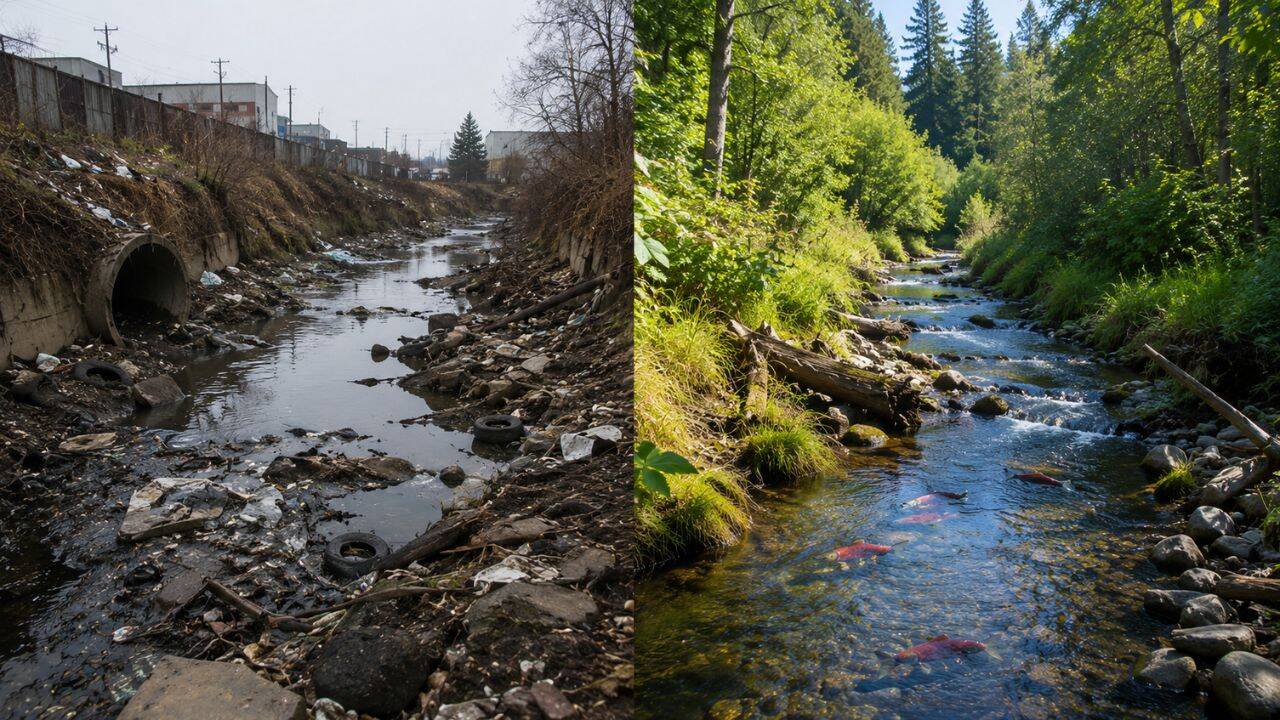
Monocultures are magnets for pests. To keep the agave alive in these crowded, unnatural conditions, farmers have to dump chemical pesticides and fertilizers onto the land. This runoff ends up in the local water supply. I've talked to folks in small Oaxacan villages who can’t use their local streams anymore because the "vinaza"—the acidic liquid waste from mezcal production—is dumped directly into the water.
This waste is toxic. For every liter of mezcal produced, you get about 10 to 15 liters of vinaza. It’s high in organic matter and incredibly acidic. When it hits a stream, it sucks the oxygen out of the water. Fish die. The smell is unbearable. Most small-scale palenques don't have the infrastructure to treat this waste. They just let it flow.
The Firewood Crisis Nobody Mentions
Everyone talks about the agave, but nobody talks about the trees. Mezcal gets its smoky flavor because the agave hearts (piñas) are roasted in underground pits lined with hot stones and wood.
It takes a massive amount of timber to roast tons of agave. In regions where mezcal production has exploded, local forests are being decimated for firewood. This isn't just about "cutting down trees." It’s about habitat loss for endemic species and the carbon footprint of a "natural" product.
We often see "artisanal" or "ancestral" on the label and assume it’s better for the planet. In many cases, the more "ancestral" the process, the more wood it uses. A traditional clay pot still is incredibly inefficient compared to a modern copper one. It requires way more heat and way more wood to produce the same amount of spirit. We’re fetishizing old methods without considering the environmental cost of scaling them to a global market.
How to Drink Without Being Part of the Problem
You don’t have to quit mezcal. You just have to stop being a lazy consumer. The "cheapest" bottle on the shelf is almost certainly an ecological disaster. If you're paying $30 for a bottle of mezcal, someone, somewhere, is getting screwed—and it’s usually the land or the laborer.
Check for brands that talk specifically about their "reforestation" programs. I don't mean vague marketing speak. Look for numbers. How many agave plants are they putting back in the ground for every one they harvest? Brands like Wahaka or Del Maguey have specific initiatives, though even the big players struggle with the sheer scale of the problem.
Avoid "Wild" labels unless the brand can prove they have a sustainable management plan. If a brand claims to produce thousands of cases of wild Tobalá, they're probably lying or they’re stripping a mountain bare. Neither is good.
Support producers who use "semi-cultivated" agave. This means they’ve figured out how to grow these wild species in a way that doesn't require clear-cutting forests. It’s more expensive. It takes longer. But it’s the only way the industry survives the next decade.
Go find a bottle from a producer that treats their vinaza. Brands like Siete Misterios or those working with the CRM (Consejo Regulador del Mezcal) to implement waste management systems are the ones worth your money. Ask your bartender. If they don’t know where the waste goes, they aren't an expert; they’re a salesman.
Next time you’re at the liquor store, skip the celebrity-backed brands. Look for the small batch stuff that lists the specific village, the mezcalero’s name, and their sustainability practices on the back. Read the fine print. If the label is more focused on "lifestyle" than the land, put it back. The future of the Mexican countryside depends on us caring more about the dirt than the smoke.