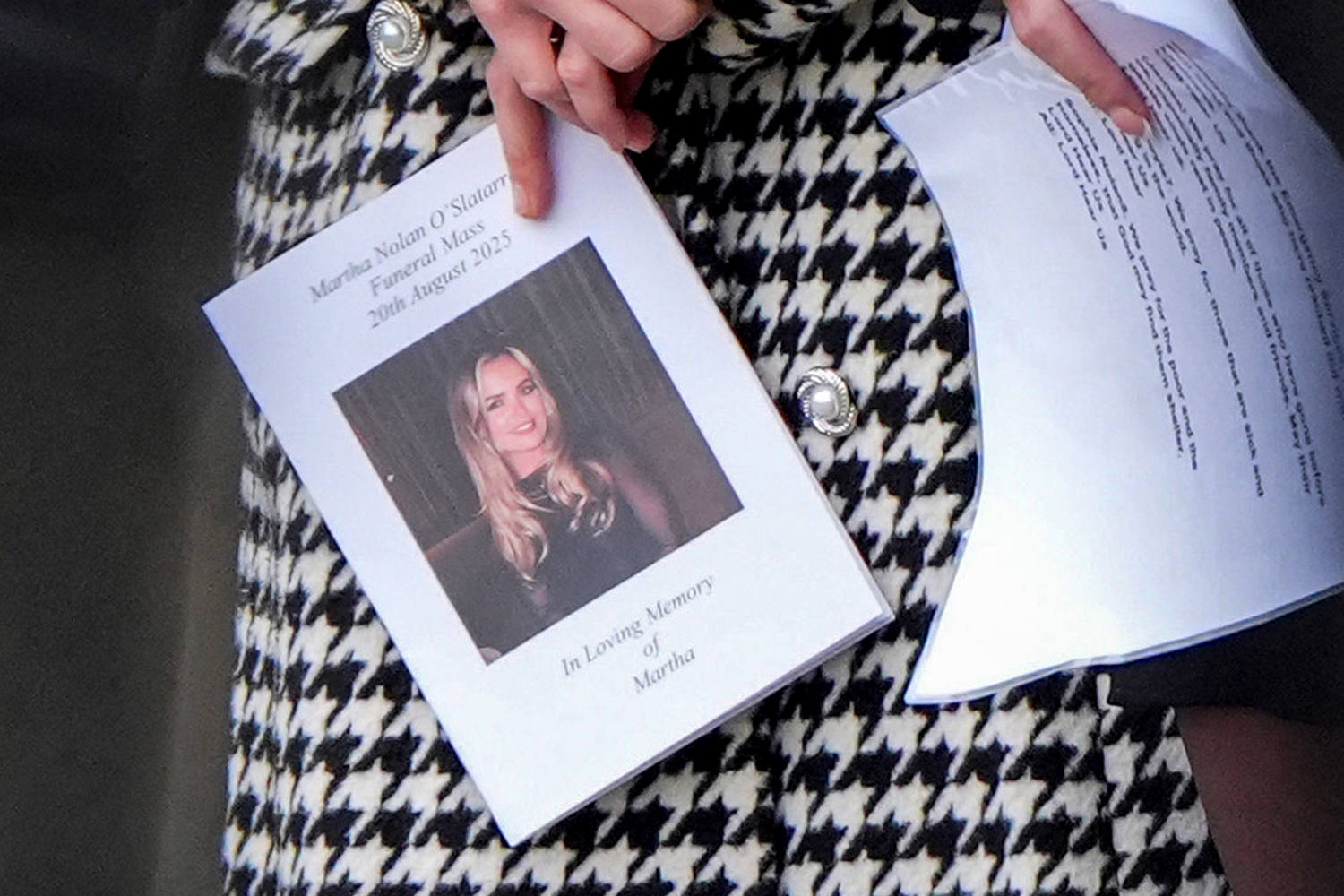
The family of the New York fashion designer found dead on a Montauk boat is preparing to file a wrongful death lawsuit, a legal maneuver that promises to drag maritime negligence, high-society silence, and structural failures into a harsh public light. When a life ends abruptly in an exclusive eastern coastal enclave, the initial shock usually gives way to a predictable choreography of hushed whispers and closed doors. This case is proving different. Loved ones are moving past the polite grief demanded by elite social circles to demand answers through the civil courts, targeting the fundamental breakdown of safety and responsibility aboard the vessel where the tragedy occurred.
For decades, the Hamptons and Montauk have operated under a dual reality. On one side sits the sun-drenched myth of effortless weekend glamour, pristine marinas, and carefree yacht culture. On the other side exists a heavy undercurrent of unchecked maritime risk, where powerful watercraft are frequently treated like luxury accessories rather than heavy machinery requiring rigorous operational oversight. The impending wrongful death lawsuit forces an uncomfortable examination of what happens when private recreation collides with basic human accountability.
Anatomy of a Maritime Tragedy
Understanding how a brilliant creative mind ends up lifeless on a boat in Montauk requires looking past the glossy magazine profiles. High-end fashion circles in New York cultivate an aesthetic of effortless perfection, but the physical environments inhabited by elite designers often involve high-stress environments, isolated retreats, and intense social pressures. When those elements shift to a weekend getaway on the water, the margin for error narrows dramatically.
Maritime accidents rarely happen because of a single catastrophic mistake. They are almost always the culmination of a chain of minor oversights, miscommunications, and failures of basic seamanship. Was the vessel properly maintained? Were safety protocols established before departure? Who was ultimately in command of the watercraft when the fatal incident unfolded? These are the questions the upcoming litigation intends to answer through depositions, coast guard logs, and expert witness testimony.
Maritime law operates under a complex framework that differs significantly from standard land-based personal injury claims. Statutes like the Death on the High Seas Act or general maritime negligence principles dictate how liability is apportioned. Boat owners carry a legal duty of care to their passengers and guests. When a host invites individuals onto a vessel, they assume responsibility for maintaining a safe environment. Failing to provide adequate safety equipment, allowing erratic operation, or ignoring hazardous conditions on deck transforms a leisure excursion into a liability trap.
The Wall of Silence in Elite Circles
Wealth and social standing possess a gravitational pull that bends institutional response. In the immediate aftermath of high-profile deaths, local law enforcement agencies often tread carefully, balancing the demands of a thorough investigation against the quiet pressures exerted by influential families, corporate entities, and legal representation.
The fashion designer's circle initially retreated behind polished public statements and guarded grief. Yet, grief eventually hardens into resolve. The decision to file a wrongful death lawsuit signals a refusal to accept the quiet consensus that often buries uncomfortable truths about accidents among the wealthy. Civil litigation serves a vital function in cases where criminal charges may not apply or where prosecutors choose not to act. It acts as an instrument of compulsory transparency. Through the discovery process, attorneys can subpoena text messages, phone records, medical reports, and maintenance logs that would otherwise remain hidden behind privacy agreements and informal settlements.
In similar historical cases across coastal New York, the fight for accountability resembles a war of attrition. Powerful insurance carriers representing vessel owners deploy legal tactics designed to exhaust plaintiffs, dragging proceedings out for years. Depositions of surviving witnesses often reveal contradictions in initial police statements, exposing a gap between what was reported to authorities on the night of the incident and what actually occurred behind closed doors.
Examining the Vessel and the Operator
Every boat tells a story through its mechanics and maintenance history. Investigators specializing in forensic marine architecture look at throttle positions, navigation equipment data, and hull integrity to reconstruct the final hours of a voyage. If mechanical failure played a role, the manufacturer or maintenance yard faces scrutiny. If human error or impairment caused the fatality, the focus shifts entirely to the operator and those who enabled reckless behavior.
The term operator negligence covers a wide spectrum of maritime failures. Operating a vessel at excessive speeds in restricted waters, failing to monitor weather patterns, or neglecting to ensure passengers are secured during rough maneuvers constitutes a breach of duty. Furthermore, the presence of alcohol or controlled substances on board complicates the liability matrix exponentially. Under maritime regulations, operating a vessel under the influence carries severe civil and criminal penalties. If an owner or operator allowed a compromised individual to take the helm—or if the operator themselves was impaired—the legal exposure multiplies.
Civil courts do not merely ask whether an accident occurred. They dissect whether the tragedy was reasonably preventable. Did the vessel have proper life-saving gear accessible? Were emergency distress signals functioning correctly? Did anyone on board initiate timely communication with the Coast Guard when the situation deteriorated? Each unanswered question forms a pillar of the upcoming legal complaint.
The Broader Reckoning for Coastal Culture
This lawsuit transcends the tragedy of a single lost life. It strikes at the heart of an entitlement culture that treats safety regulations as optional suggestions for those who can afford private berths. Montauk has evolved from a working-class fishing village into a playground for excess, where the juxtaposition of heavy commercial marine activity and recreational partying creates a constant hazard.
When a prominent creative voice is silenced under murky circumstances, the cultural cost is immeasurable. The fashion industry loses not just a talent, but a perspective, a distinct vision that took years to cultivate. By bringing a wrongful death lawsuit, the family is attempting to reclaim the narrative from the rumor mills and social media speculation that invariably surround unexplained deaths in elite zip codes.
Legal battles of this magnitude force industries to look inward. Marinas review their rental and safety check procedures. Vessel owners re-evaluate their insurance coverage and guest protocols. Most importantly, it sends a clear signal that wealth and social insulation cannot completely erase the consequences of negligence on the water.
The legal filings will soon enter the public record, bringing forward depositions, expert analyses, and contested timelines. Every document submitted will chip away at the initial silence that threatened to swallow the truth of what happened on that boat. Accountability moves slowly through the judicial system, but once set in motion, it possesses a momentum of its own. The truth of that final voyage is waiting in the transcripts.