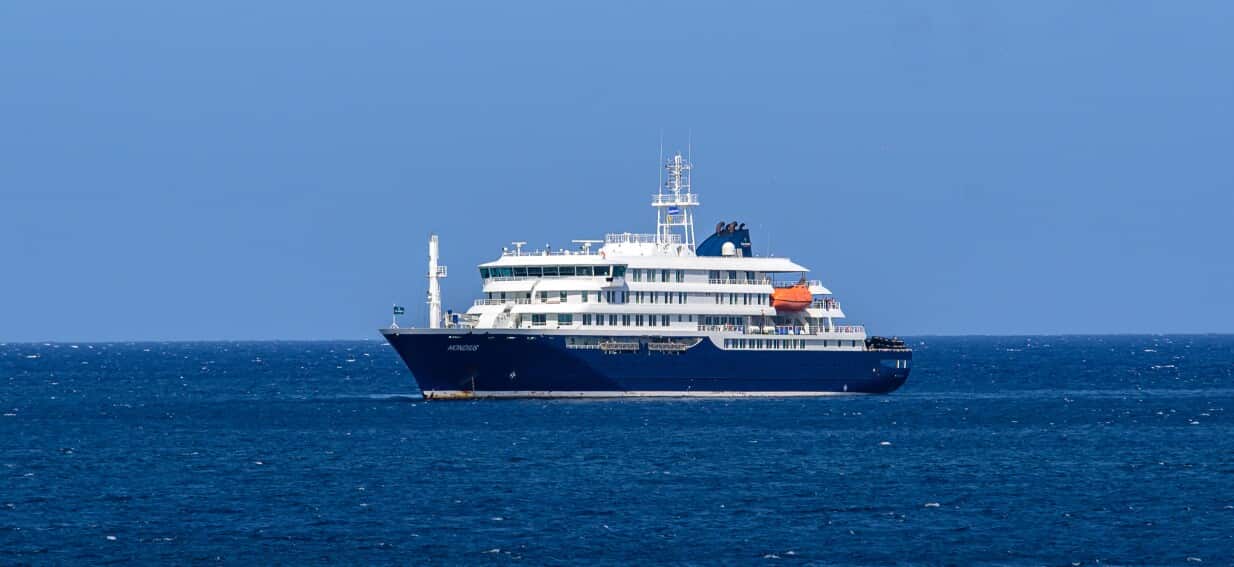
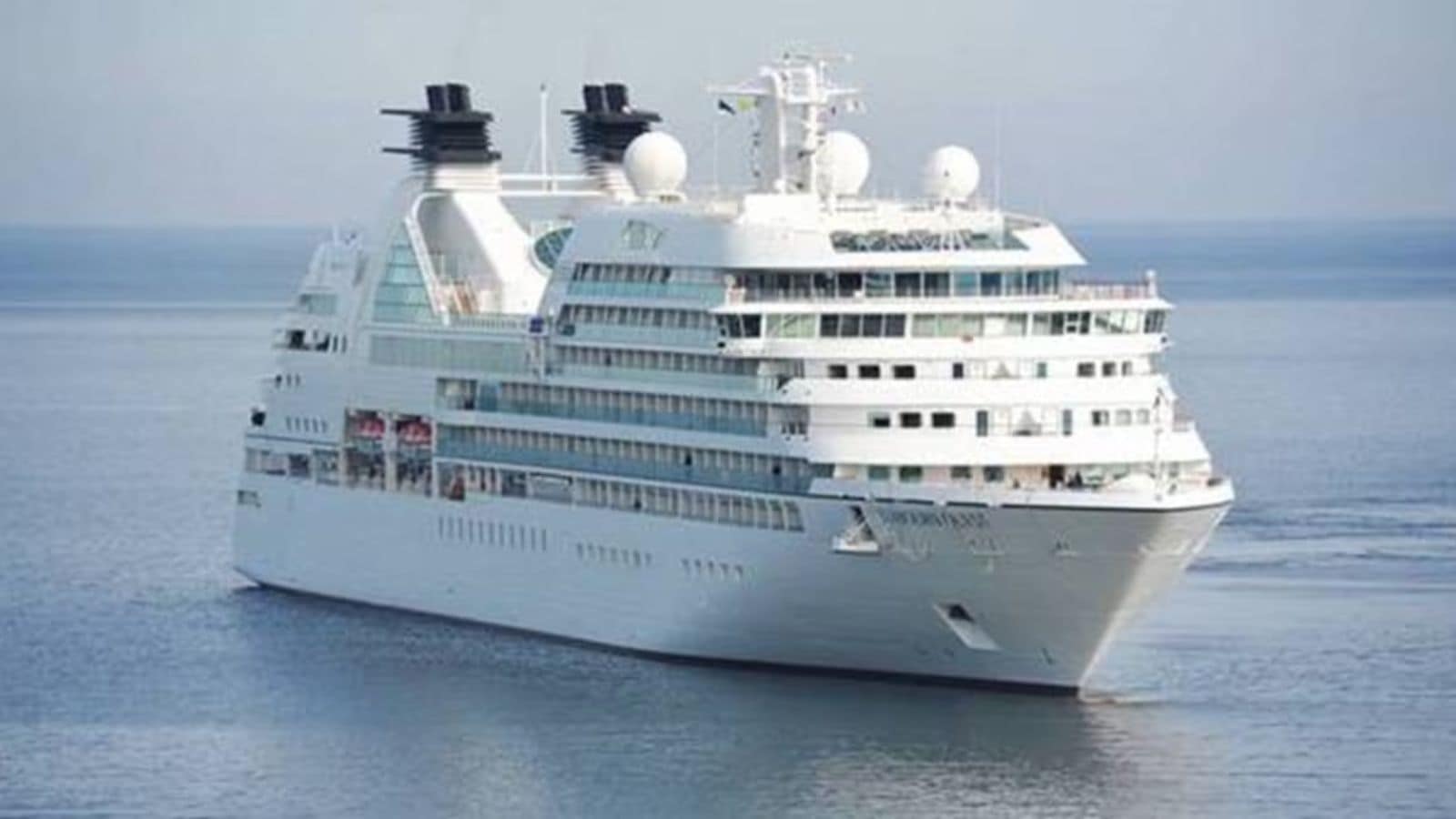
The death of three passengers on a polar-class expedition vessel off the coast of Cape Verde has triggered a localized international health crisis and exposed a glaring vulnerability in the luxury cruise industry. What was marketed as a high-end voyage through the Atlantic turned into a floating morgue when a cluster of respiratory and hemorrhagic symptoms decimated a small group of travelers. Early reports point toward a suspected Hantavirus outbreak, a diagnosis that defies geographic norms and suggests a catastrophic failure in vessel sanitation or a radical shift in the viral map.
Authorities in Mindelo are currently holding the ship in a strict maritime cordon. While the public looks at the tragic loss of life, the real investigation lies in how a virus typically associated with land-based rodents could infiltrate a sealed, steel-clad vessel operating in deep water. This is not just a story of a tragic accident. It is a warning about the intersection of global tourism, shifting ecosystems, and the porous nature of modern biosecurity. If you enjoyed this post, you should read: this related article.
The Geography of a Viral Freak Accident
Hantaviruses are not typically seafaring pathogens. Usually, humans contract the virus through contact with the urine, droppings, or saliva of infected rodents. It is a terrestrial threat, often found in rural forests or dusty outbuildings in the Americas or Eurasia. For an outbreak to occur on a polar-class ship near the Macaronesian islands, several high-probability scenarios must be examined, each more troubling than the last.
The most immediate suspicion falls on the supply chain. Expedition ships are self-contained ecosystems. They take on vast quantities of dry goods, fresh produce, and equipment in various ports of call. If a single infected rodent or a contaminated shipment of grain entered the ship’s dry stores during a previous stop in South America or West Africa, the vessel’s ventilation system could have acted as a distribution network for aerosolized viral particles. For another angle on this development, check out the latest update from WebMD.
Alternatively, we have to look at the "Polar" designation of the ship. These vessels often move between extreme environments—from the Antarctic Peninsula to the tropical Atlantic. The stress this puts on the ship’s internal climate control systems is immense. Condensation, ductwork debris, and the constant recycling of air create a petri dish. If the virus was present in a dormant state or introduced via a passenger who had recently been in a high-risk terrestrial zone, the confined quarters of a cruise ship would provide the perfect environment for a "superspreader" event.
Why the Cape Verde Response Matters
Cape Verde is a critical maritime hub, but its healthcare infrastructure is not designed to handle a sudden influx of high-pathogenicity viral infections. By forcing the ship to remain at sea or under strict isolation at the pier, local officials are attempting to prevent a "diamond princess" scenario where a local population becomes the secondary host.
However, isolation is a double-edged sword. Onboard a ship, the crew often lacks the advanced biocontainment equipment necessary to treat Hemorrhagic Fever with Renal Syndrome (HFRS) or Hantavirus Pulmonary Syndrome (HPS). The three victims reportedly deteriorated rapidly, moving from flu-like lethargy to full respiratory collapse within forty-eight hours. This speed suggests a high viral load or a particularly virulent strain that hasn't been properly sequenced yet.
The diplomatic tension is also rising. The flag state of the vessel, the nationality of the deceased, and the territorial waters of Cape Verde create a jurisdictional nightmare. This friction delays the transport of high-quality samples to specialized labs like the CDC or the Robert Koch Institute. Every hour spent arguing over protocol is an hour where the virus remains a mystery, and the remaining passengers remain in a state of high-stakes biological limbo.
The Myth of the Sterile Cruise
The cruise industry spent billions during the 2020-2022 period to convince the world that ships are now the cleanest places on earth. They installed UV-C light filters, medical-grade HEPA systems, and contactless everything. The Cape Verde incident tears a hole in that narrative.
Sanitation is a constant battle against entropy. On a ship, the "back of house" is where the risk lives. While the dining rooms are polished to a mirror shine, the bilge areas, the trash compaction rooms, and the food storage lockers are industrial spaces. If a rodent infestation occurs in these zones, no amount of hand sanitizer in the lobby will protect the passengers. Hantavirus is particularly insidious because it doesn't require person-to-person contact to kill; it only requires a person to breathe in the wrong place at the wrong time.
The industry analyst’s view is grim: this will likely lead to a massive spike in insurance premiums for expedition cruises and a new round of intrusive inspections. Travelers pay a premium for "expedition" status, seeking the edge of the world. They do not expect the edge to follow them back into their cabins.
Assessing the Viral Profile
Medical investigators are currently focused on whether this is actually Hantavirus or something even more exotic. The symptoms of Hantavirus often mimic other viral hemorrhagic fevers like Lassa or even a severe strain of Leptospirosis (which is bacterial but equally devastating in tight quarters).
- HPS (Hantavirus Pulmonary Syndrome): Rapid onset of lung congestion and low blood pressure. It is common in the Americas and has a mortality rate of nearly 40 percent.
- HFRS (Hemorrhagic Fever with Renal Syndrome): More common in Europe and Asia, causing kidney failure and internal bleeding.
If the deaths in Cape Verde were caused by HPS, it points toward a breach in the ship’s integrity during a previous port call in the Americas. If it is HFRS, the source could be anywhere from the Baltic to the Balkans. The fact that three people died simultaneously suggests they were all exposed to the same point source—likely a specific contaminated area of the ship or a shared meal that had been exposed to rodent waste.
The Failure of Port Side Screening
We have to ask where the port authorities were during the ship’s previous stops. Maritime health declarations are often treated as a bureaucratic formality. A captain signs a document stating there are no "signs of infectious disease" among the crew, and the ship is granted pratique.
This system relies on the honor code and the observational skills of a ship’s doctor who may be more used to treating seasickness and minor injuries than identifying the early prodromal phase of a rare zoonotic virus. By the time the three victims were symptomatic enough to be isolated, the entire ship was likely already exposed.
The investigative reality is that many of these smaller expedition vessels operate with a "lean" crew. Maintenance schedules are tight. In the rush to turn over a ship for the next group of high-net-worth individuals, the deep-cleaning protocols for hidden areas—like the spaces behind walk-in freezers or inside ventilation shafts—often fall by the wayside. This isn't just negligence; it's the inevitable result of an industry trying to maximize "up-time" in a post-pandemic economy.
Breaking the Chain of Infection
Stopping an outbreak on a ship requires more than just masks. It requires a total shutdown of the internal air circulation and a cabin-by-cabin decontamination using vaporized hydrogen peroxide. For a ship sitting in the heat of Cape Verde, turning off the air conditioning is its own kind of hell.
The passengers currently trapped on board are facing a psychological trauma that will likely result in years of litigation. They are breathing the same air that may have killed their fellow travelers, watching the coastline of an island they aren't allowed to touch.
To prevent this from happening again, the cruise industry must move beyond the "sanitation theater" of the last few years. Real biosecurity means rigorous rodent control programs that are audited by third-party biological hazard teams, not just the ship’s own staff. It means installing real-time air quality sensors that can detect organic volatile compounds associated with pest infestations in the cargo holds.
A New Era of Risk
We are entering a period where the boundaries between wilderness and civilization are blurring. As expedition ships push further into remote areas, they bring humans into contact with "disturbed" ecosystems. Rodents that were once isolated in deep forests or coastal mangroves are being pushed toward human settlements—and ships—by climate change and habitat loss.
The Cape Verde incident is a localized tragedy, but it is a global data point. It tells us that the "safe" bubble of luxury travel is a thin film. If we don't fix the way we monitor the "back of house" on these vessels, the next outbreak won't be three people in a remote archipelago; it will be three hundred people in a major port.
The investigation will eventually yield a report. The cruise line will likely blame a specific supplier or a "freak occurrence." But the truth is simpler and more uncomfortable: we are moving faster than our ability to stay clean, and the microbes are catching up.
Every passenger who steps onto a ship assumes a certain level of trust. They trust the hull will hold, the engines will turn, and the air they breathe won't be their undoing. In the waters off Mindelo, that trust has been shattered. The immediate task is to save the remaining lives on board, but the long-term task is to rebuild a maritime safety standard that acknowledges the invisible hitchhikers we carry across the oceans.
Fix the ventilation. Audit the dry stores. Stop treating biosecurity as a checklist and start treating it as a primary engineering requirement of the modern age.