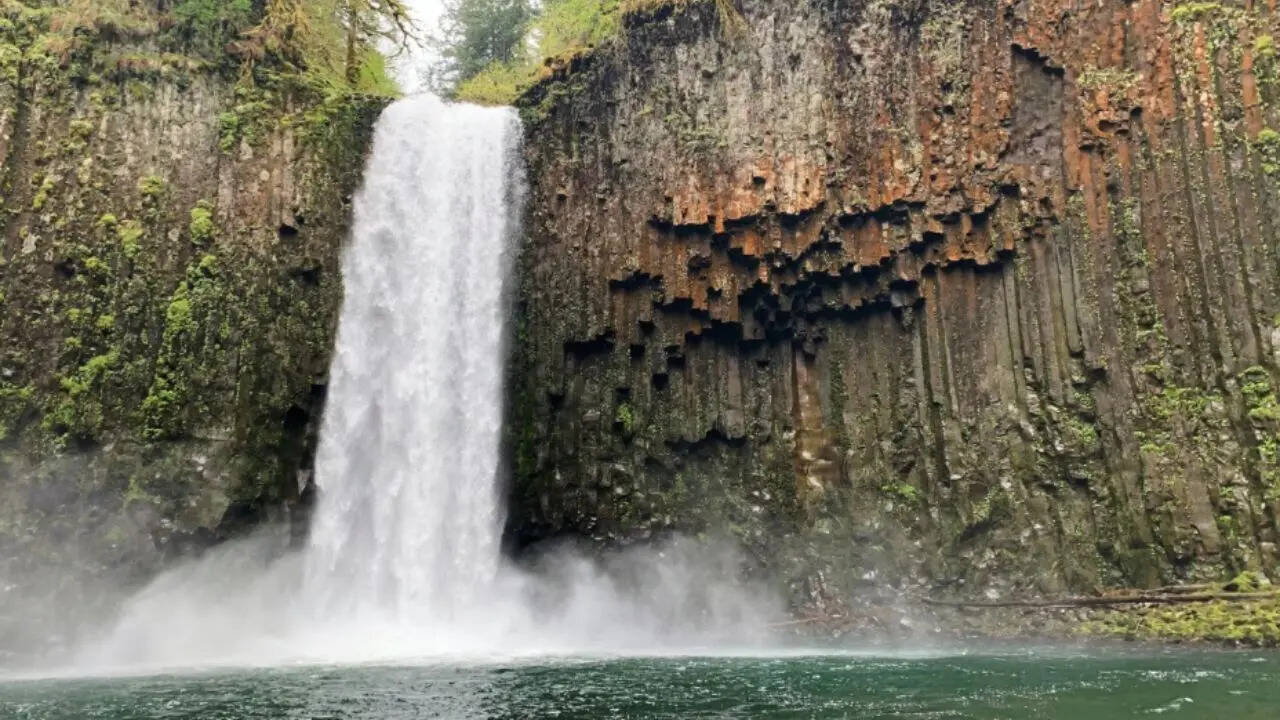
The death of an Andhra Pradesh software engineer at a California waterfall is more than a tragic weekend accident. It is a recurring nightmare. When 27-year-old Polamreddy Rajesh Kumar slipped and fell into the rushing waters of a scenic Northern California trail, he became the latest data point in a disturbing trend involving young Indian professionals working in the United States. These individuals, often the brightest minds from their hometowns, travel thousands of miles to build futures in Silicon Valley, only to lose their lives to the rugged, unforgiving geography of the American West.
The incident occurred during what should have been a standard weekend getaway with friends. Witnesses describe a sudden loss of footing, a desperate struggle against a current swollen by seasonal runoff, and the eventual recovery of a body downstream. While initial reports focus on the grief of the family back in Nellore, the broader investigation reveals a systemic lack of preparation among the H-1B workforce when engaging with the high-risk environments of U.S. National Parks and wilderness areas.
The High Altitude Safety Gap
There is a specific brand of overconfidence that comes with a high-functioning career in software engineering. If you can debug complex distributed systems, you assume you can navigate a trail. This logic is a death trap. Many tech workers arriving from urban Indian centers have little to no experience with the specific hydrology of North American mountain ranges. A waterfall in California is not merely a scenic backdrop; it is a hydraulic machine.
The "slip and fall" narrative often masks the reality of cold water shock. Even in the summer, water originating from snowmelt remains just a few degrees above freezing. When a person falls in, the body’s involuntary gasp reflex can lead to immediate drowning if the head is submerged. Heart rates spike, muscles cramp within seconds, and the cognitive ability to swim to safety vanishes.
The Illusion of Safety in Numbers
Rajesh was not alone. He was with a group of peers. This creates a false sense of security often referred to as social proofing. In group settings, individuals are more likely to take risks—standing on a wet ledge for a photo or crossing a slick rock face—because the presence of others creates a psychological buffer against perceived danger.
Groups also tend to move slower and react less decisively during the "golden minutes" of a rescue operation. By the time a group of friends realizes a peer isn't "just joking" and has actually been swept away, the window for a successful shore-based rescue has usually closed.
Why Technical Skill Fails in the Wild
The American wilderness is managed under a philosophy of "personal responsibility." Unlike tourist sites in many other parts of the world, U.S. parks often lack physical barriers like railings or fences, even near deadly drop-offs. The goal is to preserve the natural state of the land. For a tech professional used to the "user-friendly" design of modern software and urban infrastructure, this lack of guardrails is a literal and metaphorical shock.
The terrain around California’s waterfalls consists primarily of granite and basalt, which become as slick as ice when coated with a thin layer of mist or algae. Standard sneakers, the preferred footwear of the casual weekend hiker, provide zero traction on these surfaces.
The Pressure of the Weekend Warrior
There is a sociological component to these accidents that industry analysts often overlook. The H-1B lifestyle is one of intense, high-pressure sprints. When the weekend arrives, there is an urgent, almost desperate need to "maximize" leisure time. This leads to:
- Rushed Itineraries: Attempting difficult hikes without checking weather or water flow updates.
- The Pursuit of the Perfect Shot: Prioritizing social media documentation over situational awareness.
- Fatigue-Induced Errors: Driving long hours to reach a trailhead and then immediately beginning a strenuous ascent.
The Geographic Toll on the Indian Diaspora
The data suggests a disproportionate number of drowning and fall victims in the Pacific Northwest and California are young Indian men in the tech sector. This isn't a coincidence. It is the intersection of a massive demographic shift toward the West Coast and a cultural unfamiliarity with the specific hazards of the region.
The Indian Consulate in San Francisco has dealt with an increasing number of repatriations involving accidental deaths. The logistics are a nightmare for the grieving families. Bringing a body back to India involves a labyrinth of permits, embalming requirements, and exorbitant costs that often fall on the friends of the deceased to crowdsource via platforms like GoFundMe.
Liability and Park Management
Questions are being raised about whether the National Park Service and state agencies are doing enough to communicate risks to non-traditional hiking demographics. Traditional signage often relies on icons or English text that may not convey the visceral danger of a specific site to someone who didn't grow up with the "Stay Back" culture of the U.S. park system.
However, the burden remains on the individual. The wilderness does not care about your visa status, your salary, or your contributions to a codebase. It is a neutral, lethal force.
Reevaluating the Corporate Responsibility
Silicon Valley giants like Google, Meta, and Apple—who employ the bulk of this demographic—provide extensive "onboarding" for life in the U.S. They cover tax laws, healthcare, and housing. They almost never cover wilderness safety. Given the frequency of these tragedies, there is a compelling argument for HR departments to include "Recreational Safety in the US" as a mandatory module for relocated international employees.
A simple hour-long briefing on the dangers of snow bridges, current speeds, and the necessity of specialized gear could save lives. It is a low-cost intervention for companies that claim to value their human capital.
The Reality of the "Easy" Hike
Most of these accidents do not happen on K2 or Everest. They happen on "moderate" trails rated 3 out of 5 on hiking apps. The danger is hidden in the mundane. A person stands on a rock to wash their hands. A foot slips. A current catches a baggy shirt.
The death of Polamreddy Rajesh Kumar is a reminder that the transition from a life in Andhra Pradesh to a career in California requires more than just professional adaptation. It requires a fundamental respect for a landscape that is beautiful from a distance but predatory at the edge.
The current is moving faster than you think. The rock is slicker than it looks. The water is colder than you can imagine.
Invest in a pair of real hiking boots with Vibram soles. Check the cubic feet per second (CFS) rating of the local river before you leave the house. Never stand on a wet rock within ten feet of a drop-off. These are the rules of the road that no one tells the Indian tech elite until it is too late to listen.
Stop treating the wilderness like a wallpaper for your life. It is an ecosystem that requires a specific set of skills to survive, and your GPA or your coding proficiency provides zero protection once you lose your balance.