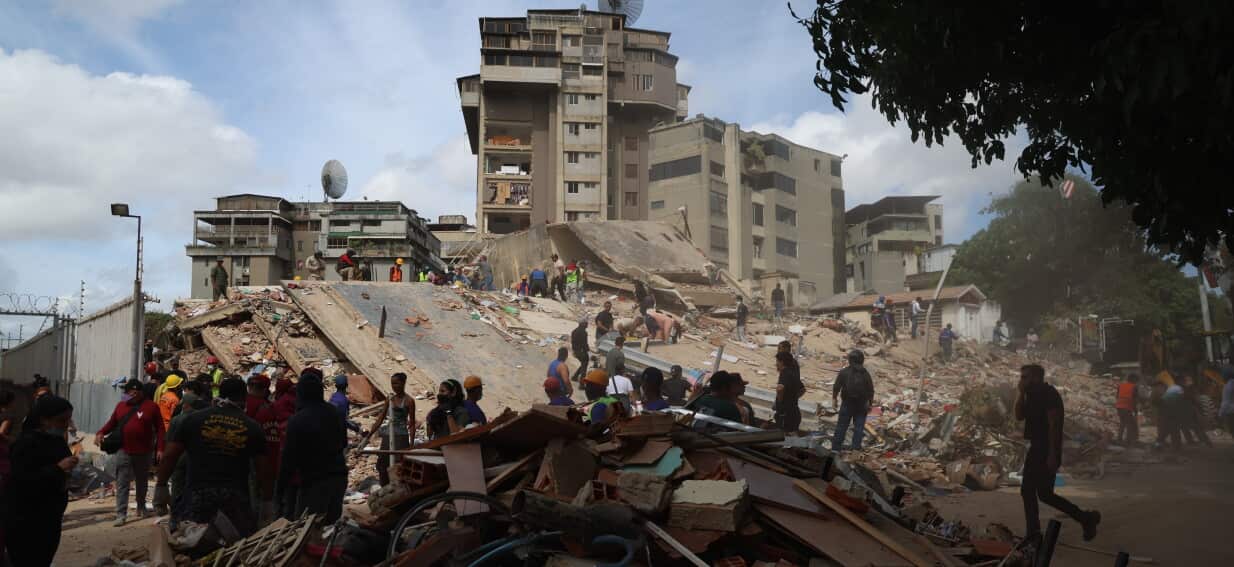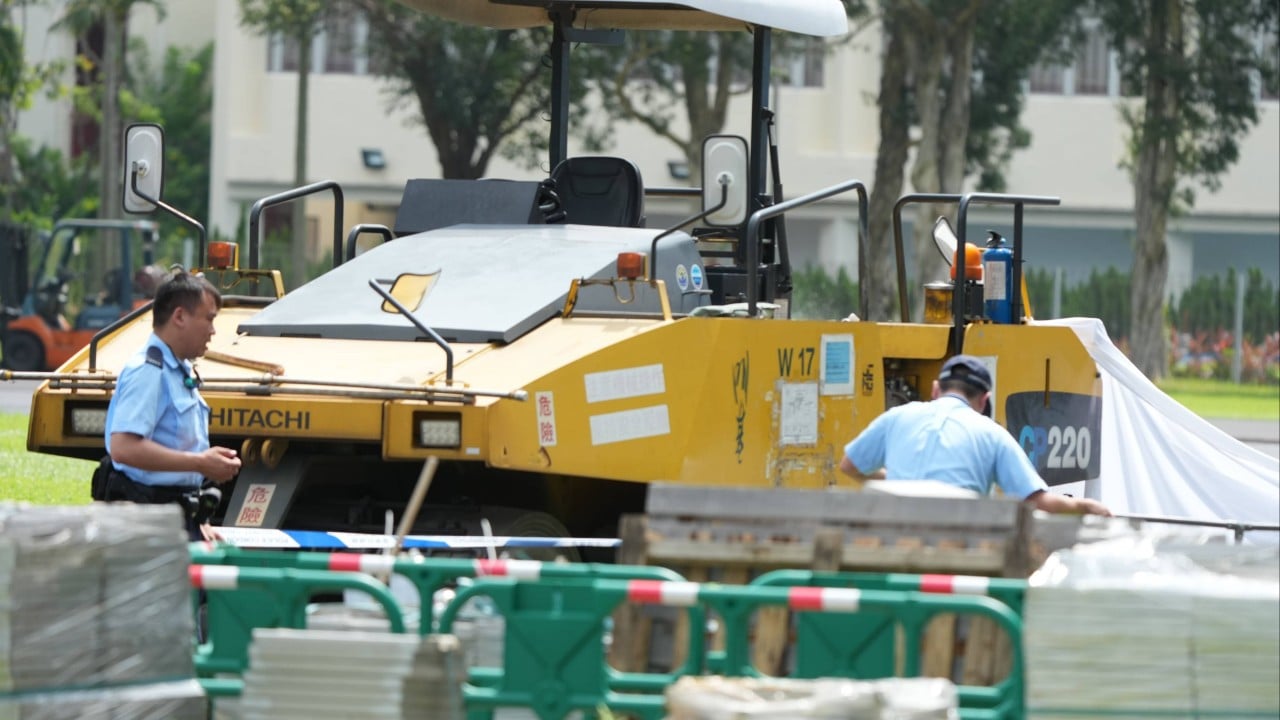
A routine morning at a commercial construction site turned fatal when a heavy-duty transport vehicle backed over a ground worker. Regulatory investigators immediately descended on the scene to probe the breakdown in site logistics. While initial corporate statements often frame these events as freak accidents or isolated lapses in worker vigilance, industry data reveals a predictable pattern. The true culprit is rarely an individual mistake. It is systemic. Site management teams routinely prioritize rapid project velocity over rigorous spatial separation between heavy machinery and vulnerable ground crews.
Until developers face severe financial accountability for these predictable logistical failures, the industry will continue to bury its frontline workforce.
The Illusion of the Flagger System
The standard defense strategy after a heavy equipment fatality revolves around the presence of a flagger. Companies point to their safety briefings, their brightly colored vests, and their designated spotters as proof of a compliant workplace. This defense is a mirage.
Relying on a human spotter to keep a multi-ton excavator or dump truck from crushing a worker introduces a single point of failure into a chaotic environment. Construction sites are auditory battlegrounds. Generators thrum, impact wrenches scream, and diesel engines roar at decibel levels that render verbal warnings or standard vehicle backup beepers useless. A ground worker focused on a precise measurement or a subterranean utility line cannot reliably sense a vehicle approaching from a blind spot, regardless of high-visibility clothing.
Furthermore, the flagger role is frequently assigned to the least experienced personnel on the payroll. These workers receive minimal specialized training before being thrust into the path of rotating machinery. They are expected to maintain absolute situational awareness for ten hours a day in extreme weather.
When a spotter blinks, drifts out of position, or loses eye contact with the operator for a fraction of a second, the system collapses. Investigating authorities routinely find that companies treat the flagger as a comprehensive safety shield rather than what it actually is: a final, fragile line of defense.
Architectural Chaos and Density Inflation
Modern urban construction suffers from space starvation. To maximize profitability, developers build right up to the edge of property lines, leaving negligible staging areas for heavy equipment, material deliveries, and tradespeople. This spatial compression creates an inherently dangerous operational density.
Consider a typical high-rise or commercial development during the excavation and structural phases. You have concrete mixers backing down narrow access ramps, excavators swinging counterweights within inches of temporary shoring walls, and utility crews laying pipe in the exact same footprint.
[Typical Compressed Site Footprint]
+---------------------------------------------------+
|  [Property Line / Shoring Wall]                   |
|  +---------------+                                |
|  | Heavy Vehicle | <--- Blind Spot Zone           |
|  +---------------+                                |
|         |                                         |
|         v (Reversing Path)                        |
|  =========================                        |
|  [Shared Transit Corridor] <--- High Risk Area    |
|  =========================                        |
|         ^                                         |
|  +---------------+                                |
|  | Ground Crew   |                                |
|  +---------------+                                |
+---------------------------------------------------+
When scheduling software compresses timelines, these distinct operations occur simultaneously instead of sequentially.
The pressure to avoid liquidated damages—stiff financial penalties for missing project milestones—drives general contractors to flood the site with labor and machinery at the same time. This environment guarantees that ground workers will cross paths with reversing vehicles.
Safety managers know that absolute physical segregation is the only foolproof method to prevent crushing injuries. If vehicles and pedestrians never occupy the same space at the same time, the risk drops to zero. Yet, project managers rarely implement strict, timed exclusions because stopping work for one trade to let a vehicle maneuver costs money. They choose to gamble on human alertness instead.
The Commercial Failure of Proximity Technology
The persistent reliance on spotters is especially egregious given the availability of advanced proximity detection systems. For more than a decade, industries like heavy mining have mandated the use of radar, camera-monitor arrays, and radio-frequency identification tags attached to worker hardhats. These systems actively alert equipment operators when a human enters a designated hazard zone.
The commercial construction sector has largely rejected wide-scale adoption of this technology. The reasons cited are always economic and operational.
- Initial Procurement Costs: Outfitting a fleet of earthmovers and transport trucks with multi-sensor arrays requires an upfront capital expenditure that small to mid-sized subcontractors resist.
- Alarm Fatigue: On a crowded urban site, sensors chime constantly due to the tight quarters, leading operators to disable the systems or ignore the warnings entirely.
- Contractual Silos: General contractors rarely own the equipment on site. They lease machinery or hire independent owner-operators, creating a legal grey zone over who is responsible for installing and maintaining safety technology.
This resistance boils down to a cold calculation. The cost of retrofitting equipment outweighs the perceived statistical risk of a catastrophic event. Insurance premiums are factored into the cost of doing business, and worker compensation laws historically shield employers from direct civil lawsuits over workplace injuries.
Without legislative mandates that tie project bidding eligibility to active proximity technology, procurement officers will continue to select standard, unequipped machinery.
Subcontracting as a Legal Firebreak
To understand why safety protocols break down on the ground, one must analyze the corporate structure of a modern mega-project. General contractors rarely employ the laborers who perform the highest-risk tasks. Instead, they rely on a complex web of tiered subcontractors and secondary labor brokers.
This corporate architecture serves a specific legal purpose. It insulates the deep-pocketed developer and general contractor from regulatory liabilities and wrongful death litigation. When a crushing fatality occurs, the corporate entity that faces the immediate regulatory fine is often a cash-poor, underinsured subcontractor operating under a shell name.
[The Corporate Liability Shield]
+-----------------------------------+
|             Developer             |
+-----------------------------------+
                  | (Insulated by Contract)
                  v
+-----------------------------------+
|         General Contractor        |
+-----------------------------------+
                  | (Insulated by Subcontract)
                  v
+-----------------------------------+
|    Tier-1 Concrete/Earthworks     |
+-----------------------------------+
                  | (Insulated by Labor Broker)
                  v
+-----------------------------------+
|  Tier-2 Subcontractor / Worker    |  <=== Location of Fatal Risk
+-----------------------------------+
Regulatory agencies routinely fine these smaller firms tens of thousands of dollars—a pittance to the overall project budget but enough to force the small subcontractor into bankruptcy. The subcontractor closes its doors, files for liquidation, and re-emerges a month later under a different corporate registration.
Meanwhile, the main project continues with minimal disruption. The legal firebreak works exactly as intended, ensuring that the true drivers of site pressure remain unpunished and unmotivated to change.
The Limits of Regulatory Oversight
Government enforcement agencies are structurally incapable of policing every dangerous construction site. Inspecting authorities face chronic underfunding and severe staffing shortages. Most inspectors only visit a site after a severe injury or death has already occurred, rendering their role reactive rather than preventative.
When investigators do issue citations, the legal battles drag on for years. Corporate defense firms specialize in downgrading "willful" violations—which carry higher penalties and potential criminal referrals—to "serious" or "other-than-serious" designations. They argue that management had a comprehensive safety plan on paper, and that the incident was caused by unpreventable employee misconduct.
By shifting the blame onto the deceased worker or a low-level supervisor, companies preserve their corporate safety ratings. These ratings are crucial for winning future government contracts, creating a perverse incentive to distort the facts of an investigation rather than fix the root cause of the hazard.
Imposing True Accountability
Fixing the systemic safety crisis requires moving past the empty rhetoric of zero-harm cultures and safety banners. Change will only occur when the financial penalty for a crushing injury exceeds the cost of shutting down a site to implement proper logistical controls.
First, regulatory frameworks must be updated to hold general contractors and developers jointly liable for all safety failures on their property, regardless of which subcontractor signed the worker's paycheck. If a developer faces a mandatory, indefinite site shutdown and millions of dollars in direct fines for a heavy equipment fatality, project managers will suddenly find the time and space to separate vehicles from people.
Second, municipal procurement policies must ban companies from bidding on public works projects if they have a history of critical safety violations or if their fleet lacks functional proximity detection technology. This hits bad actors where it hurts most: their backlog of future work.
True safety is an engineering and logistical discipline. It requires physical barriers, dedicated transit corridors, automated machinery overrides, and realistic production schedules that treat human lives as irreplaceable assets rather than disposable inputs in a corporate spreadsheet.