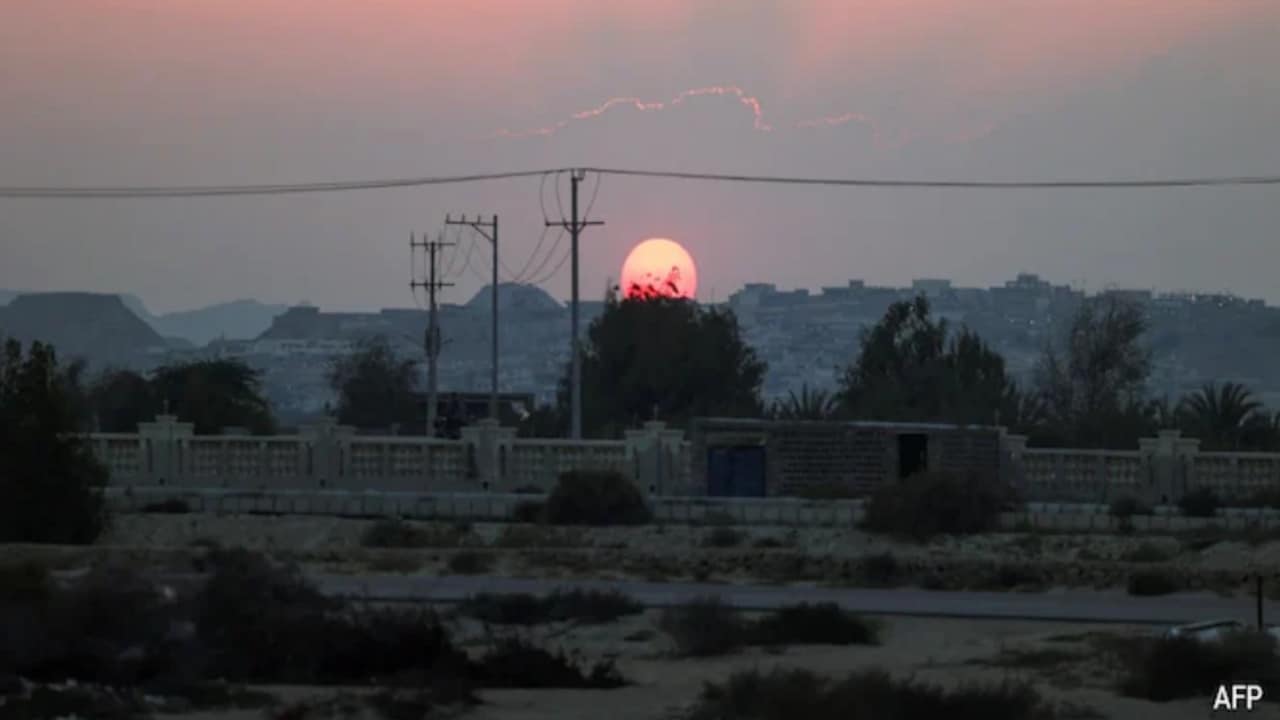
Loud explosions echoing across Qeshm Island aren't just isolated midnight bangs. They signal a high-stakes escalation right along the neck of the Strait of Hormuz.
When state media and local sources start reporting multiple blasts near crucial Iranian coastal military positions, the ripple effects hit global markets instantly. Brent crude prices jump, shipping firms panic, and military analysts start scrambling for answers.
Let's break down what actually happened on Qeshm Island, why this specific geography matters so much, and what comes next in an increasingly volatile region.
What Happened on Qeshm Island
Iranian state media reported multiple explosions hitting areas like Souza on Qeshm Island, accompanied by unconfirmed sightings of aircraft overhead. While initial reports varied on the exact count—ranging from two to five loud blasts—the timing coincided with reports of retaliatory or defensive maneuvers.
US officials later characterized certain regional actions as defensive responses, pointing to attempted surface-to-air missile targeting against American assets or unmanned aerial vehicles operating near the Persian Gulf. Meanwhile, the Islamic Revolutionary Guard Corps (IRGC) claimed interceptions of drones and warned against ongoing maritime blockades.
The friction points are clear:
- Strategic positioning right at the entrance of the Persian Gulf.
- Direct military friction involving drones, radar sites, and naval traffic.
- Conflicting official narratives from Washington and Tehran regarding who struck first.
Why Qeshm Island is a Flashpoint
Geography dictates strategy. Qeshm Island sits directly along the northern coast of the Strait of Hormuz. Roughly a fifth of the world’s petroleum passes through this narrow maritime chokepoint.
When explosions hit Qeshm or nearby port cities like Bandar Lengeh and Sirik, it threatens global energy infrastructure. Iran maintains heavy naval and missile batteries across these islands to project power and enforce regional shipping restrictions. Whenever a strike lands here, it tests air defense capabilities and dares Tehran to retaliate against commercial tanker routes or regional allies.
The Broader Economic Fallout
Markets hate uncertainty. The moment news of the Qeshm Island blasts broke, international crude benchmarks surged. Traders know that any sustained military exchange in the Persian Gulf threatens vital oil transit lanes.
Even minor kinetic strikes carry massive psychological weight for shipping insurers. Tankers navigating the Gulf already face heightened threat levels from naval mines and maritime checkpoints. Explosions onshore only intensify the risk of a broader shipping shutdown.
The video above provides context on the regional military friction and recent aerial engagements across southern Iran.
Where This Conflict Heads Next
Don't expect a quick de-escalation. Both sides are locked in a dangerous game of deterrence. Washington has reinforced its regional posture with carrier strike groups, while Tehran continues to test boundaries with drone operations and maritime controls.
Keep a close eye on insurance rates for Gulf shipping lanes and official statements from CENTCOM. Those two indicators will tell you whether Qeshm Island was just another flash in the pan or the opening salvo of a much larger regional conflict.