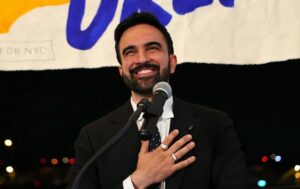
For nearly five decades, exiled Crown Prince Reza Pahlavi has waited in the corridors of Western capitals, positioning himself as the inevitable custodian of a post-theocratic Iran. When major domestic uprisings and subsequent regional military confrontations severely shook Tehran, Pahlavi seized the microphone, declaring himself ready to steer a democratic transition. Yet, as the smoke cleared, the Iranian state endured, Washington opted for pragmatic diplomacy over forcible regime change, and the 65-year-old heir's grand ambitions fractured under the weight of structural opposition divisions, donor fatigue, and a profound disconnect from the realities on the ground inside Iran.
The Anatomy of a Missed Window
History rarely repeats cleanly, but it often provides sharp echoes. When nationwide anti-government demonstrations erupted from economic panic, followed by high-stakes regional military escalations, Pahlavi’s camp treated the convergence as a historical inevitability. He received standing ovations at conservative American political conferences, secured backing from prominent diaspora figures, and blanketed social media feeds with proclamations of acceptance.
The miscalculation lay in assuming that external theatrical momentum equates to internal structural readiness.
A standing ovation in Texas does not translate to organized underground cells in Tehran, Isfahan, or Tabriz. While Pahlavi styled himself as a bridge, the structural mechanics of revolutionary change require more than a recognizable family name and well-wishes from foreign lawmakers. Revolutions require clandestine logistics, labor union integration, and hardened domestic leadership capable of withstanding state violence. Pahlavi’s strategy relied heavily on external validation from Western governments that ultimately prioritized containment and ceasefire over the high-risk gamble of backing an unproven exiled government-in-waiting.
The Washington Cold Shoulder
Foreign policy in Western capitals operates on cold utility, not sentimental nostalgia for the Peacock Throne. Pahlavi found enthusiastic cheerleaders among certain factions of foreign legislators, but executive branch decision-makers consistently kept him at arm's length.
Consider the public positioning from Washington. Following high-profile diplomatic engagements, administration officials publicly batted down speculation that the White House intended to install Pahlavi as Iran's next chief executive. Ceasefire agreements were negotiated with an eye toward regional stability, leaving the foundational question of Iran's internal governance entirely untouched.
For an exiled leader who spent millions in donor funds—including high-profile contributions from tech executives meant primarily to secure basic operational and security overhead—this arms-length treatment was a structural disaster. Major financial backers began quietly withholding future investments, frustrated that Pahlavi’s office refused to heed strategic advice regarding broad-coalition building. When benefactors realize that proximity to a political figure yields zero practical leverage over foreign ministries, the checkbook closes.
The Fractured Opposition Paradox
The single greatest structural impediment to Pahlavi's campaign is not the strength of the Islamic Republic, but the deep ideological fragmentation of the Iranian diaspora and domestic opposition.
An anti-regime coalition is not a monolith. It contains leftist secularists, ethnic autonomists, constitutional monarchists, and republicans who view the pre-1979 Pahlavi dynasty with intense historical suspicion. Pahlavi insists he desires only to serve as a transitional guide before a public referendum determines Iran's permanent political system. Yet, his inner circle has repeatedly failed to purge militant elements among his hardline base who employ intimidation tactics against rival dissidents.
When diaspora factions spend more time attacking rival opposition figures online than constructing a unified institutional alternative, the ruling apparatus in Tehran rests easy. Dictatorships rarely fall because of external speechmaking; they fall when a cohesive, disciplined, and broadly trusted alternative stands ready to fill the administrative void. Pahlavi's movement offered symbolism where administration required infrastructure.
Legitimacy Cannot Be Imported
Political legitimacy is homegrown. It is forged in prison cells, factory strikes, and dangerous street-level organizing under the threat of live ammunition. An exiled figure can command media headlines in London, Washington, or Paris, but authority within a revolutionary crucible must be earned inside the borders of the state.
As economic pressures persist and internal dissent simmers across Iran's provinces, the Iranian opposition remains structurally rudderless. Pahlavi remains the most visible face of an alternative future, but visibility is a poor substitute for operational power. The window that opened with a sudden roar of geopolitical crisis did not yield a crown. It left an aging heir waiting once more in the permanent twilight of exile, watching history pass by.