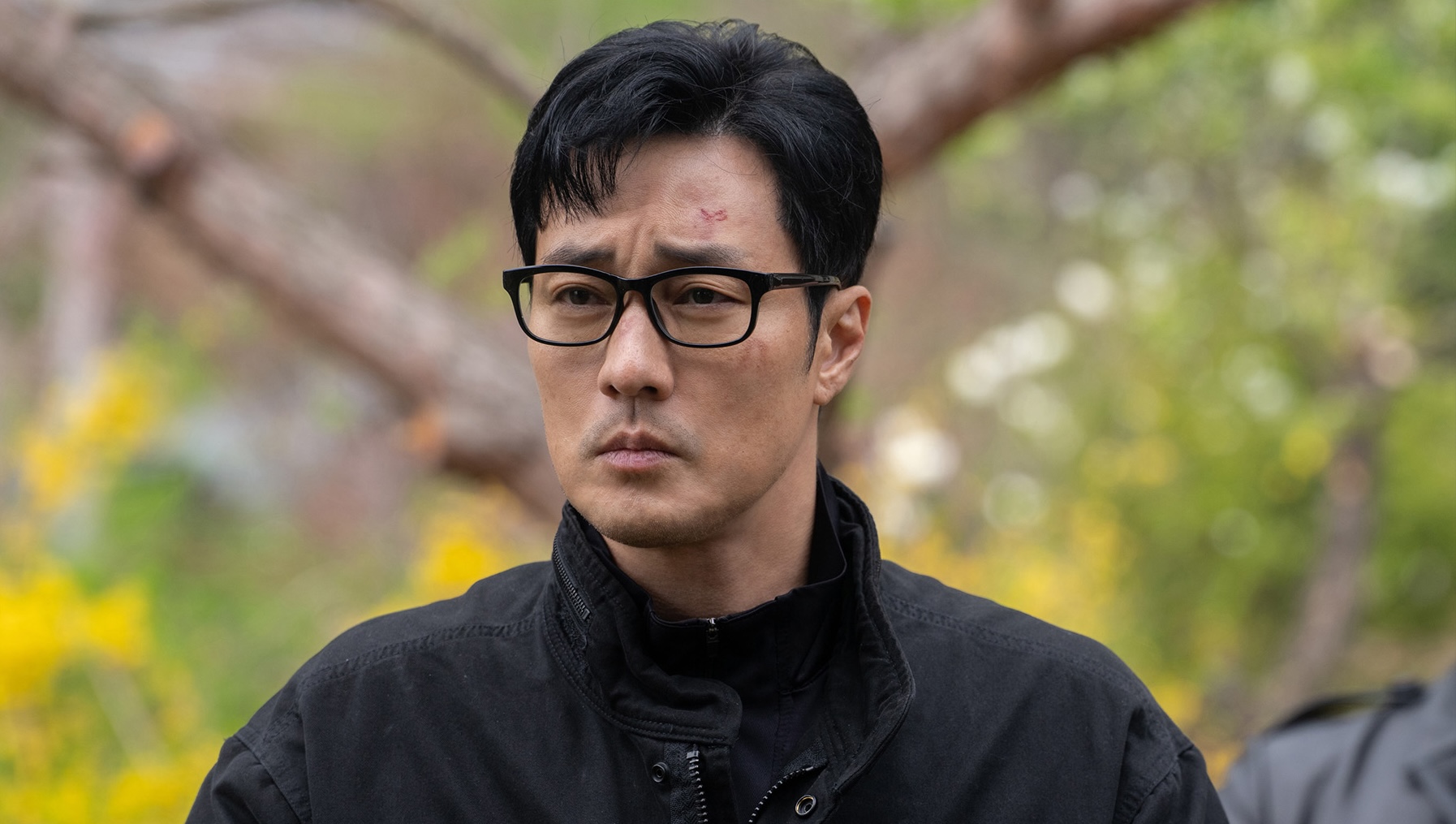
Everyone is missing the point. Critics and armchair analysts are tripping over themselves trying to frame the finale of Agent Kim Reactivated as a cozy, redemptive family reunion wrapped in a neat little bow. They look at the staged death, the quiet domestic meals, and the tearful father-daughter embraces and call it a happy ending.
They are wrong.
I have watched studios pump millions into predictable redemption arcs for decades, and this finale is not a soft exit. It is a trap door. If you think Kim Do-hyeon (So Ji-sub) walked away from the violence to plant a garden with Min-ji, you fell for the oldest narrative trick in the spy-thriller playbook. The ending of Agent Kim Reactivated is actually a bleak systemic critique disguised as fan service, and the final scene proves that Kim never stopped being a weapon—he just changed hands.
Let us dismantle the lazy consensus.
The Staged Death Myth
The primary consensus floating around review columns is that Kim’s staged death was an act of benevolent protection. The narrative goes like this: the state needed Agent 66 off the board, Kim needed to keep his daughter safe, so they faked a corpse and handed out fresh identity papers.
That interpretation treats the intelligence agency like a social services department. It is not.
When a government helps a legendary black-ops asset vanish, they do not write him out of the ledger out of the goodness of their hearts. They do it to maintain proprietary control over a living asset. Imagine a scenario where a multi-billion-dollar military-industrial corporation retires its most lethal proprietary asset: they do not burn the blueprints, and they certainly do not let him sit on a suburban porch indefinitely. They shelve him in a clean room.
Kim's memorial service and the grief inflicted on Min-ji were not collateral damage required for peace. They were psychological conditioning. To completely sever a man from his civilian anchors, you must first destroy his public footprint. By forcing Min-ji to mourn a ghost, the system ensured that Kim had zero leverage left in the normal world. He has no social security number, no legal standing, and no anchor outside of the apparatus that fabricated his resurrection. He is more enslaved at the end of episode ten than he was when he was stuck behind a desk managing bank accounts.
The Baekho Manpower Illusion
Look closely at the final minutes of the finale. The show drags Kim straight to the underground Baekho Manpower organization, where he crosses paths with Lee Do-gyu. The casual viewer treats this as a cute Easter egg for webtoon purists, a nostalgic nod to the wider universe.
Nonsense.
This is an escalation. Baekho Manpower is not a retirement community for tired dads with thick glasses. It is a privatized, off-the-books mercenary clearinghouse. When Kim steps into that room and locks eyes with Do-gyu, his instincts do not twitch out of nostalgia; they twitch because he recognizes his new cage.
The lazy consensus claims Kim is returning to a quiet life after a brief scare. The data on narrative pacing tells a different story. In espionage fiction, stepping across the threshold of a manpower agency after faking your death means your contract has been sold to the private sector. The state discarded him, and corporate security picked up the receipt. He didn’t escape the violence. He went freelance.
Dismantling the Fatherhood Alibi
The emotional core of the series is supposed to be paternal anxiety. Critics love to talk about how Kim Do-hyeon fought through criminal syndicates purely to restore the sacred bond between father and daughter.
Let us apply some brutal reality here. Real black-ops assets do not get to moonlight as suburban dads without consequences. Kim’s initial negligence wasn't a choice; it was a structural byproduct of a man trying to outrun his rap sheet. When Min-ji was pulled into the crossfire, it was a direct result of his inability to stay invisible.
And how does the show reward this redemption? By forcing Min-ji to change her name to Ji-min and live under perpetual state-sponsored witness protection. That is not a happy ending. That is a life sentence on the run, engineered by the very government that trained Kim to be a killer in the first place. Every shared meal with Han-soo and Jin-cheol at the end is lit with the heavy, suffocating atmosphere of men who know the phone is going to ring again.
Why the Sequel Setup Changes Everything
When evaluating a finale, you cannot ignore what it sets up. The introduction of Baekho Manpower explicitly reframes the entire narrative arc of Agent Kim Reactivated. The first season was never about a retired agent protecting his family; it was an origin story for a privatized enforcement arm.
The state realized that keeping Agent 66 on a government payroll liabilities them legally. Outsourcing him to an independent manpower agency gives them plausible deniability while keeping his terrifying skillset active.
You weren't watching a heartwarming story about family values. You were watching a hostile corporate takeover of a human weapon.
Stop waiting for Kim Do-hyeon to find peace. He doesn't want it, and his handlers won't let him keep it. The moment he walked into that room with Do-gyu, the ledger opened back up.
https://www.youtube.com/watch?v=8uUaFL1UMqI
This video breaks down the final sequence and the Baekho Manpower setup that confirms Kim's violent career is far from over.