Panicked headlines love a good monster. Media outlets recently went to town hyperventilating over blood-sucking insects that allegedly bite through almost anything across dozens of countries, framing every outdoor excursion as an audition for a horror film. You are told to cower indoors, spray industrial chemicals on your skin, and view nature as an active combat zone.
It is lazy journalism built on manufactured panic.
The mainstream narrative focuses on the wrong threat vectors, misunderstands basic epidemiology, and sells you useless defense mechanisms while ignoring the structural realities of vector-borne illnesses. Let us dismantle the fear-mongering and look at the actual mechanics of how these insects operate, why the standard advice fails, and how to assess real biological risk instead of hiding under your bed.
The Myth of the Invincible Biter
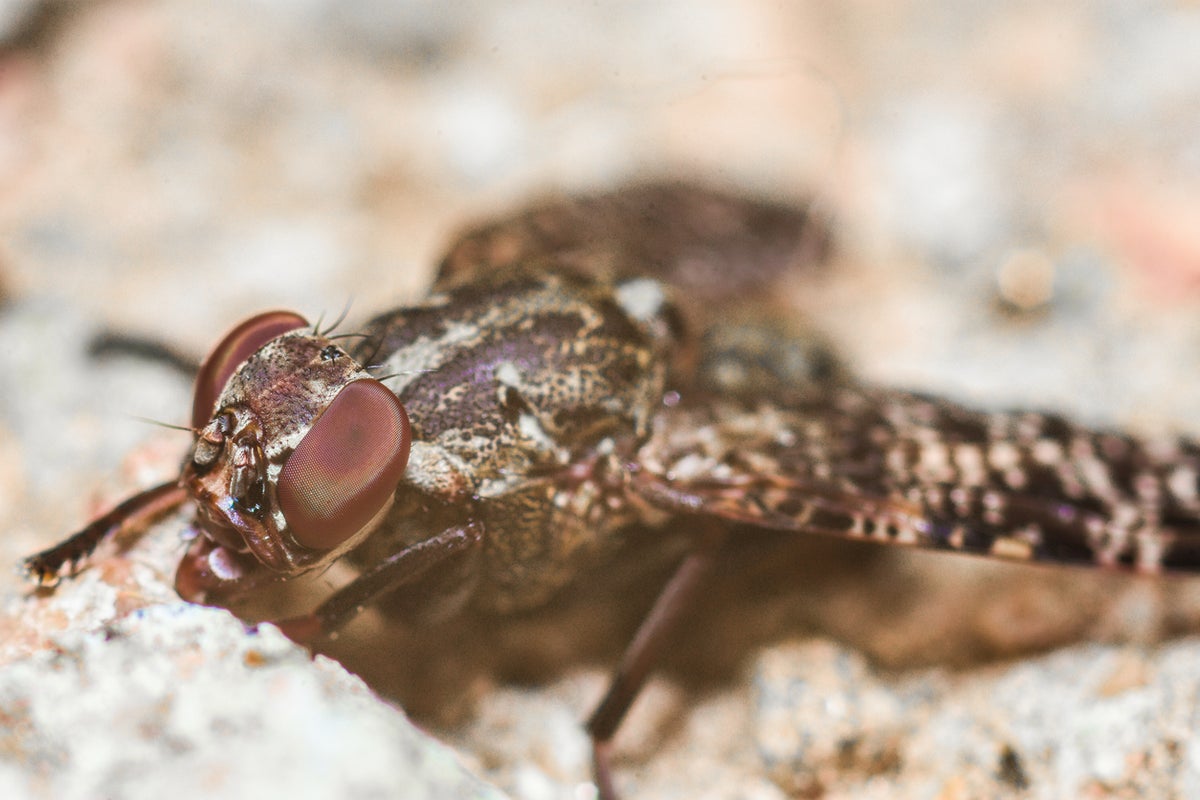
The popular trope suggests a terrifying predator sawing through skin and impenetrable barriers with unstoppable malice. Entomologically speaking, this is nonsense. Insects like triatomines, commonly known as kissing bugs, or blood-feeding flies do not possess some magical industrial laser cutter for mouthparts. They rely on specialized, highly evolved stylets designed for micro-penetration of capillary walls, not breaching medieval armor or heavy-duty household goods.
When media reports emphasize that an insect can be found across 37 countries or dozens of states, they treat geography like a uniform hazard map. This is a profound statistical error. Presence does not equal high vector competence or high transmission rates.
Imagine a scenario where a single stray insect is documented in a suburban backyard. Panic spreads that the entire region is now a hotbed of disease. In reality, native species have coexisted with local fauna for centuries. The risk is hyper-local, determined by housing construction, micro-climates, and animal reservoir dynamics, not a sweeping continental invasion.
The Vector is Not the Primary Threat
The lazy consensus tells you to fear the bite itself. The bite is often a red herring. With insects that transmit pathogens like Trypanosoma cruzi, the danger rarely comes directly from the initial puncture.
The actual infection vector is behavioral. These bugs typically feed discreetly at night, often near the thin skin of the face. But they feed to repletion and immediately defecate. The parasite is in the feces, not the saliva. The disease only enters your system if you unconsciously rub those droppings into the bite wound, a mucous membrane, or your eyes.
Fixating entirely on insecticide sprays misses the point. If you live in a modern structure with tight-fitting window screens, smooth plaster walls, and no chronic rodent infestations, your baseline risk drops precipitously. The insects are drawn to shelter, warmth, and animal blood—specifically wood rats, opossums, and domestic pets. If your property management is sloppy, if you keep woodpiles stacked directly against exterior walls, or if you let pack rats nest under your porch, you are rolling out a welcome mat. The bug cannot bite through your brick or drywall; it has to move in with you first.
Dismantling the Advice Industry
The standard checklist for avoiding these insects is a masterclass in placebo security. You are told to wear long sleeves, use standard DEET, and sleep under nets if you travel.
While netting is genuinely useful in mud-brick or adobe dwellings common in endemic rural regions abroad, telling an office worker in a temperate climate to sleep under a mosquito net is security theater. It makes you feel proactive while ignoring actual vulnerabilities.
Let us look at what actually works based on vector biology:
- Seal the Envelope: Caulk foundation cracks, repair torn window screens, and eliminate the structural entry points that allow nocturnal wanderers indoors.
- Relocate the Fauna: Move woodpiles, compost bins, and dense vegetation away from the perimeter of your home. Break the habitat chain for the wild rodents that serve as the primary blood hosts.
- Manage Pets Indoors: If you have dogs or cats that spend nights outdoors in endemic zones, check their sleeping areas. They act as intermediate amplifiers for local parasite cycles.
- Targeted Diagnostics: If you have lived or traveled in high-risk zones and exhibit unexplained cardiac symptoms, demand specific serological testing rather than generalized panic panels. Early detection of chronic conditions changes long-term prognosis entirely.
The Real Cost of Hysteria
When public health communication relies on sensationalism, it backfires. People either dismiss the warnings entirely as overblown media noise or panic and demand unnecessary, toxic pesticide applications that trash local beneficial insect populations without lowering actual disease metrics.
Understanding vector-borne risk requires ditching the horror movie mindset. These insects are not supernatural entities capable of chewing through anything in your path. They are fragile, highly specialized organisms bound by strict ecological rules. They require specific hosts, specific structural entry points, and a very specific sequence of human behavioral triggers to cause harm.
Stop buying into the narrative that nature is actively plotting to breach your walls. Fix your property perimeter, clean up your structural harborage zones, and let data dictate your defense instead of headlines designed to keep your eyes glued to the screen.
Stop waiting for a miracle bug spray. Seal your foundation today.