Risk assessments for the Arabian Peninsula follow a lazy, copy-paste template designed decades ago. Bureaucrats in Western capitals look at a regional map, see a projectile cross an uninhabited stretch of desert, and instantly slap a blanket warning on an entire sovereign nation the size of Western Europe. Riyadh is nearly a thousand kilometers away from the southern border clashes, yet corporate risk officers treat the Four Seasons at Kingdom Centre like a frontline trench in Bakhmut. This is not caution. This is intellectual laziness masquerading as compliance.
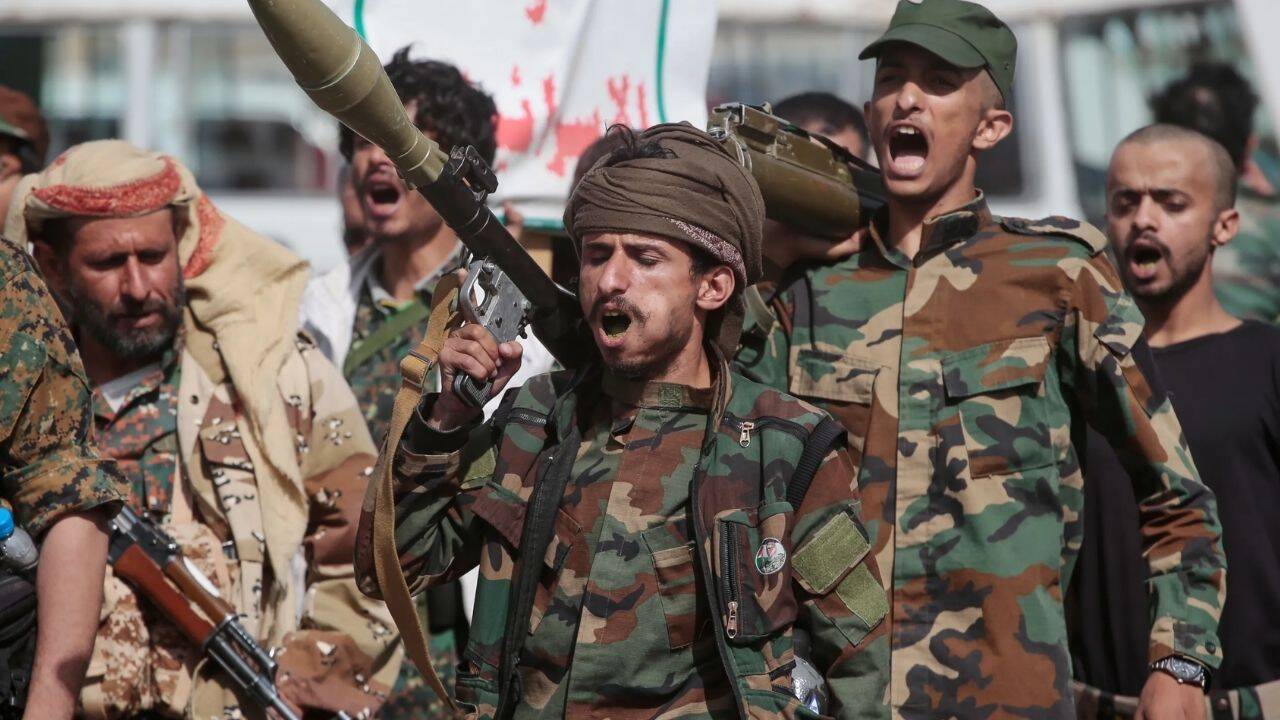
Travel advisories love treating geography as a monolith. When Houthi forces launch drones toward shipping lanes in the Red Sea or isolated military targets in the deep south, risk models default to panic mode for all points north. Let us look at the actual mechanics of modern security architecture. Saudi Arabia spends upwards of eight percent of its GDP on defense, operating some of the most sophisticated integrated air defense systems on the planet. Patriot batteries and advanced radar networks do not miss civilian population centers because a skirmish occurs six hundred miles away in a different governorate. Conflating localized insurgent skirmishes with the operational safety profile of commercial hubs like Riyadh, Jeddah, or AlUla is statistical malpractice.
Look at how multinational corporations handle this. Insurance underwriters demand higher premiums, risk managers cancel executive trips, and mid-level consultants nod sagely while talking about geopolitical volatility. Meanwhile, millions of foreign nationals live, work, and commute across the kingdom daily without incident. The actual probability profile of a random traveler encountering violent disruption in Saudi Arabia's major commercial and tourist zones is statistically lower than navigating peak-hour traffic in London or taking the subway in New York City. Yet the advisory boards keep their ratings locked at Level 3, shielding themselves from blame if an anomaly occurs while completely blinding businesses to massive economic reality.
The real risk in modern international mobility is not regional conflict; it is the algorithmic conformity of institutional fear. When every government office relies on the same antiquated metrics, corporate decision-making degenerates into box-ticking. Executives miss out on multibillion-dollar infrastructure partnerships, cultural exchanges, and emerging markets because their legal department is terrified of a flashing yellow warning light on a bureaucratic dashboard.
Challenging this consensus requires separating real threat vectors from administrative theater. If you evaluate Riyadh through the lens of active threat intelligence rather than legacy political posturing, you realize the kingdom is one of the most heavily policed, structurally secure environments in the global business circuit. Stop managing your portfolio by press release. The safest place in the Middle East right now is the one your risk committee is too frightened to understand.