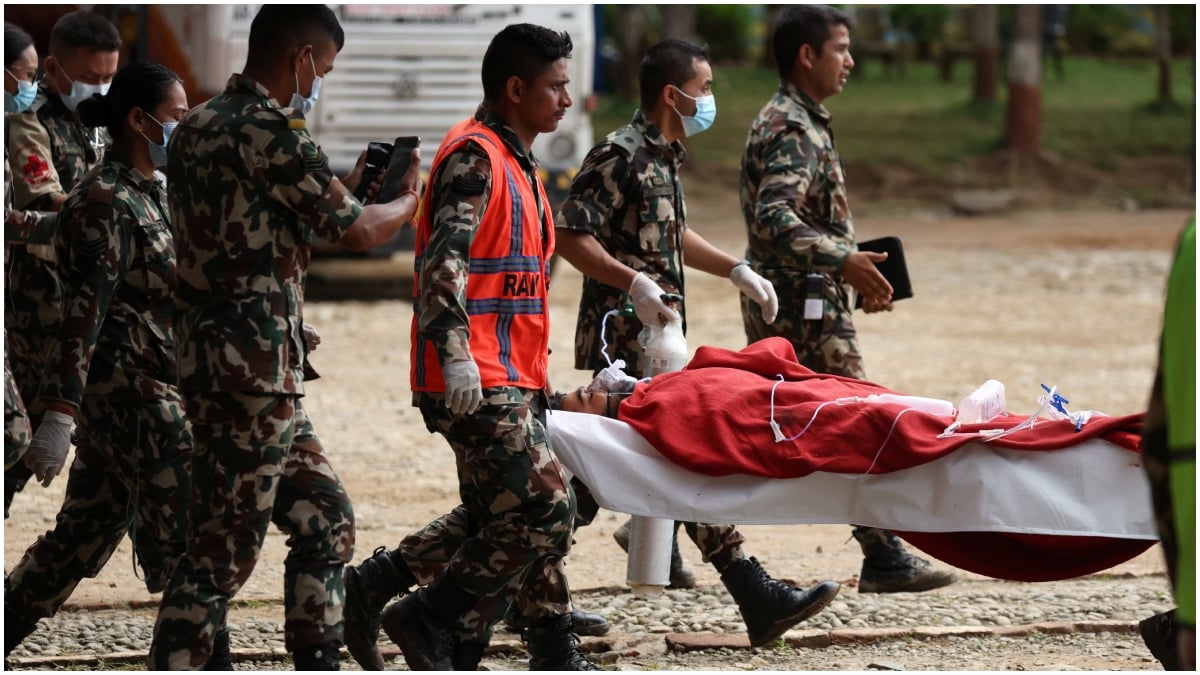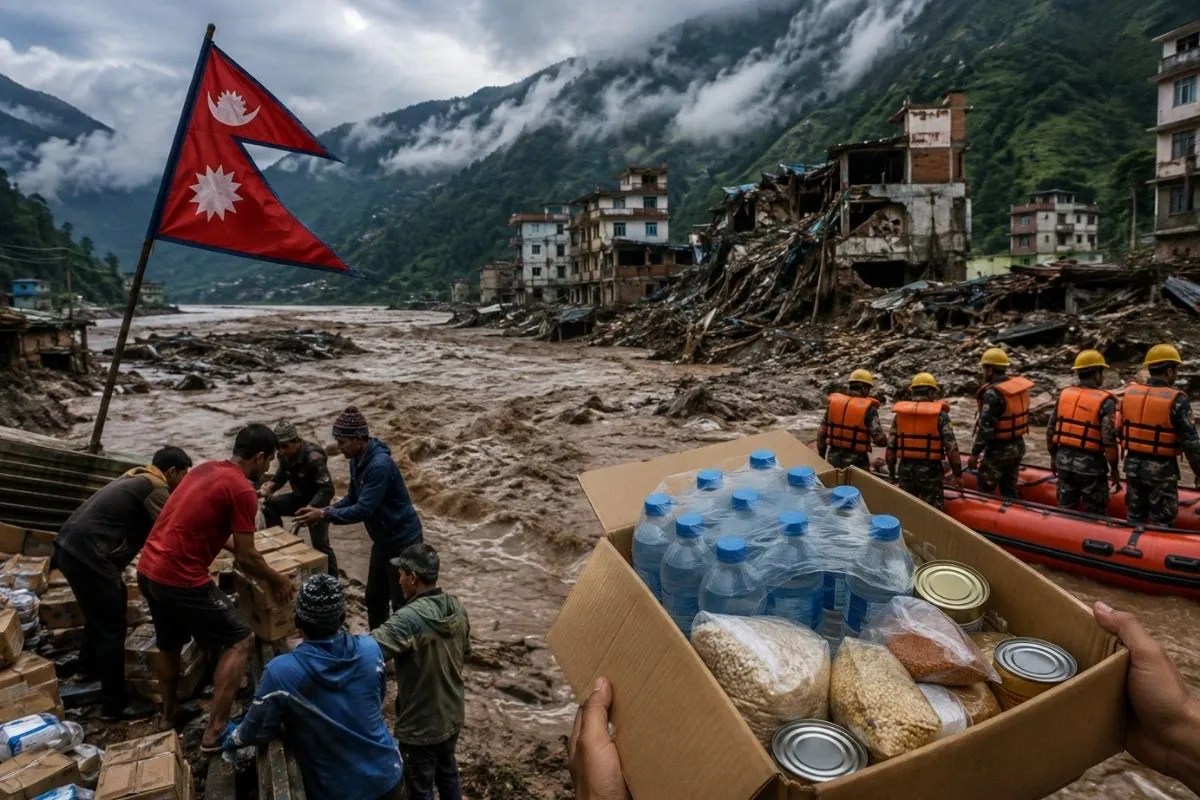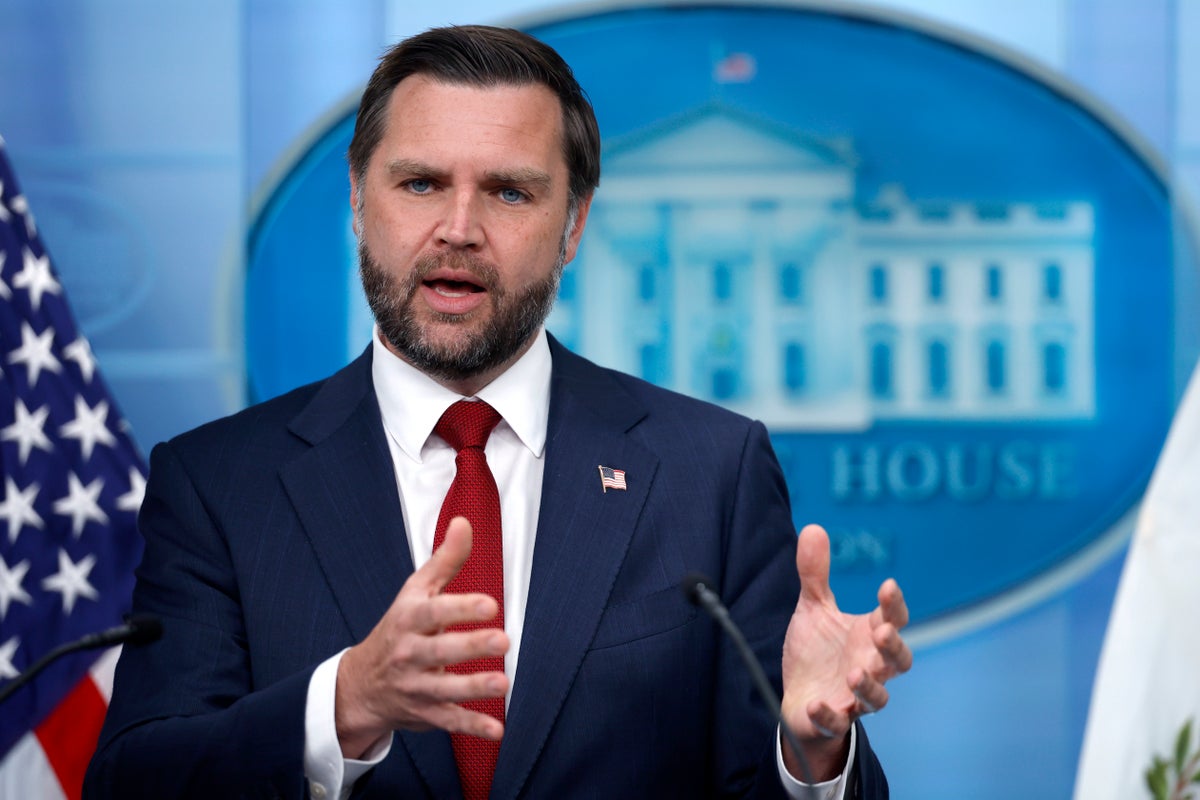
We love our semantic gymnastics in Washington. Drop bombs for months, spend billions, pack body bags, and then stand at a podium to argue that because nobody is firing a machine gun this exact second, it somehow fails to clear the dictionary definition of a war.
The lazy consensus floating around policy circles right now is that the White House has executed a masterstroke: downplaying the conflict as a mere "flare-up" while convincing Beijing to help economically choke out Tehran. According to this comforting narrative, China is ready to "play ball," toss Iran under the bus, and align with American sanctions because Beijing prefers orderly shipping lanes over rogue state antics.
It is a fairy tale for domestic consumption. And it completely misunderstands how global superpowers operate.
The Myth of Chinese Compliance
Let us define terms immediately. When a government official claims a strategic rival is "willing to play ball," they are describing tactical compliance, not a strategic conversion. Beijing is the world’s largest importer of crude oil. For years, heavily discounted Iranian crude has formed a quiet, vital artery feeding independent Chinese refineries, often dubbed the teapot refiners.
Imagining a scenario where Beijing abruptly cuts off this cheap energy source to appease Washington's middle eastern checklist ignores basic economic gravity. China does not isolate energy suppliers to do American favors; China manages risk. Beijing will nod at anti-Iran economic pressure publicly while continuing to absorb black-market or gray-market barrels at a steep discount through intermediaries.
To call this cooperation is to mistake a polite diplomatic shrug for an alliance. China’s primary objective in the Middle East is stability that keeps oil moving northward to its ports, but its secondary—and far more enduring—objective is keeping the United States bogged down in a perpetual quagmire of low-intensity attrition. Why would Beijing help Washington neatly wrap up a geopolitical headache?
The Semantics of Slaughter
Then there is the linguistic gymnastics act: the insistent claim that this is not a war because active major combat operations have paused. Tell that to the families of the service members lost or the hundreds injured. Tell that to the shipping insurers staring at the Persian Gulf.
We have institutionalized a bizarre legal fiction where hostilities only count as a "war" if they require a formal congressional declaration or a Hollywood-style beach invasion. If you spend months dropping ordnance, destroying infrastructure, and exchanging kinetic strikes while global energy markets convulse, you are at war. Dressing it up as a "specific mission" or a "flare-up" doesn't change the physics of the wreckage. It just shields politicians from accountability when the timeline stretches into infinity and gas prices refuse to behave.
The Uncomfortable Downside of the Contrarian Play
Admitting this reality comes with its own cost. If we stop pretending that China is an eager partner in isolating Iran, and if we stop pretending that sporadic kinetic exchanges magically cease to constitute a war just because the press briefing says so, we are forced to look at the actual mechanics of modern conflict.
The strategy relies on a dangerous illusion: that economic sanctions combined with intermittent bombing runs can permanently suppress a regime without requiring a permanent military occupation or triggering a full-scale regional economic meltdown. I have watched analysts blow millions of words assuming rational actors will always choose economic integration over ideological survival. They won't. Tehran views its nuclear ambitions and proxy networks not as bargaining chips, but as existential insurance policies. You cannot squeeze insurance out of a regime by asking a competitor to play ball.
Stop looking for shortcuts in Beijing's supposed cooperation. Stop pretending that a conflict stops being a war just because you stopped airing the footage on the nightly news.
The math doesn't care about the press release.