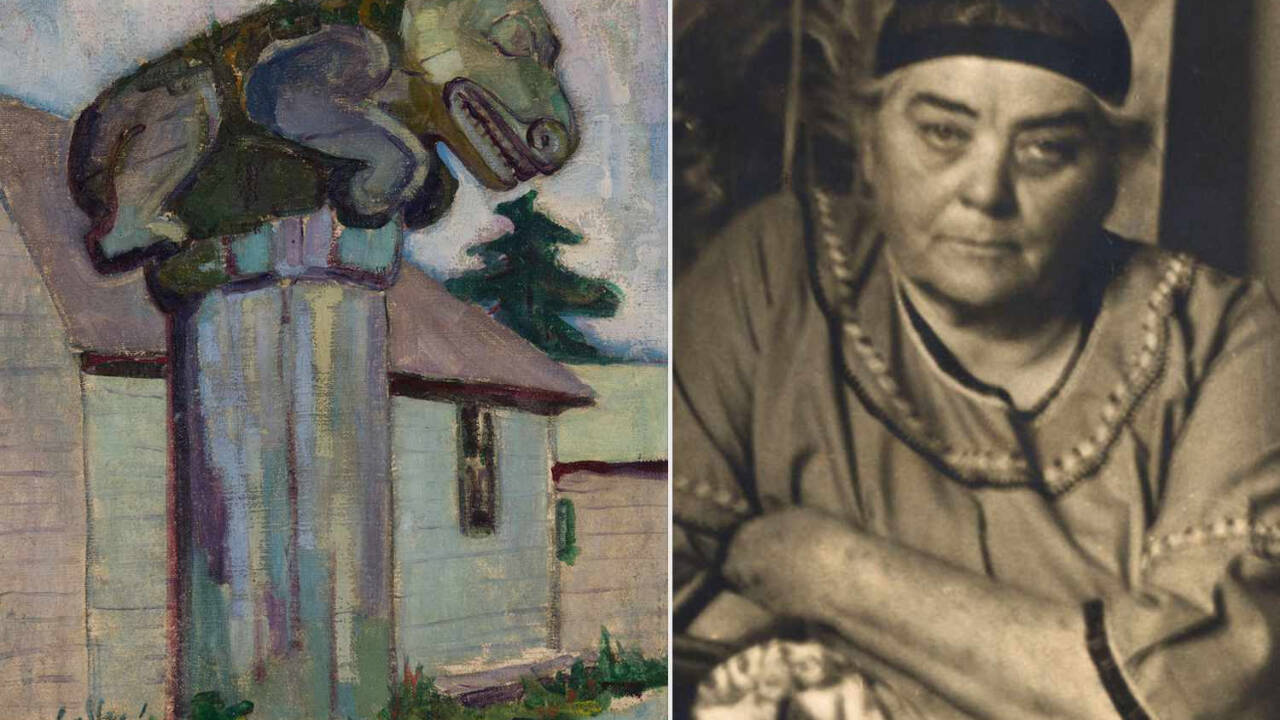
That viral headline about a fifty-dollar Hamptons barn-sale canvas flipping for two hundred ninety thousand dollars at a Canadian auction house is a fairy tale for people who hate math. Every time a story like this breaks, the media treats it like a democratic lottery win. They pitch it as proof that any suburbanite with a dust rag can stumble into generational wealth while browsing old framed prints next to rusty lawnmowers.
It is a statistical sleight of hand.
I have watched wannabe antiquers blow thousands of dollars on stained thrift-store junk for a decade, convinced they are holding the next lost masterpiece. They are not art investors. They are victims of survivorship bias packaged as heartwarming lifestyle journalism.
Let us dismantle the lazy consensus behind these garage sale windfall myths.
The Survivorship Bias Machine
When you read about the lucky buyer who bought a discarded canvas for pocket change and cashed out for six figures, you are looking at the survivor of a million silent failures. Nobody writes front-page features about the warehouse currently stuffed with forty thousand moldy landscape prints bought for forty bucks apiece that are worth precisely zero cents.
The baseline probability of pulling a sleeper masterpiece out of a barn sale is lower than getting struck by lightning while holding a winning lottery ticket. Yet the art market loves these narratives because they keep the speculative engine greased. Auction houses depend on hobbyists believing that blind luck beats rigorous provenance.
When a painting jumps from fifty dollars to nearly three hundred thousand dollars, mainstream commentators call it a triumph of hidden value. They assume the market is inherently inefficient, waiting for a sharp-eyed bargain hunter to correct its mistakes.
They have it backward.
The market is brutally efficient. When a cheap regional painting commands massive auction numbers, it is almost never because the local garage sale seller was too stupid to recognize a masterpiece. It is because rich speculators spotted a manufactured narrative hook. The story of the find is often worth more than the pigment on the linen. The buyer did not just purchase an old canvas; they purchased a ready-made press release that guarantees the next buyer has a viral cocktail party anecdote to tell.
The Myth of the Untrained Eye
People love to imagine that connoisseurship is an intuitive superpower. The cultural trope suggests that true artistic genius hums with an energetic frequency that only a pure, untutored soul can detect beneath layers of attic grime.
Total nonsense.
True expertise is boring. It is a matter of cataloging brushstroke chemistry, tracking regional framing styles from nineteenth-century provincial workshops, and reading shipping labels on the reverse of stretchers under UV light. The person who finds a genuine treasure at a barn sale rarely does so by squinting at a painting and feeling a spiritual tingle. They do so because they have spent twenty years memorizing the signatures of obscure regional modernists while everyone else was scrolling through TikTok.
When an amateur scores, it is a pure accident of geography and time. It is not skill. Pretending otherwise encourages amateurs to treat auction hunting like a trip to the casino.
Let us look at how the machinery actually operates behind closed doors. When an auction house takes a garage sale discovery to the podium, they do not just throw it up for bids and cross their fingers. They build a circus. They prime secondary collectors, drop hints to lifestyle journalists, and frame the item as a treasure hunt. The final price tag reflects the marketing budget and the ego of two bored multi-millionaires locked into a pissing contest more than it reflects the intrinsic aesthetic weight of the pigment.
What People Also Ask About Garage Sale Art
Are old paintings found at garage sales usually worth anything?
Almost never. Ninety-nine point nine percent of thrift-store and garage sale art is mass-produced decorative factory work from the mid-twentieth century, hotel surplus, or untalented amateur hobbies. If a painting has survived fifty years in a damp basement or an uninsulated barn without cracking, fading, or smelling like mildew, there is a strong chance it is commercial decor churned out by assembly lines in Hong Kong or Paris during the mid-century tourist boom.
How can I tell if an old painting is valuable?
Stop looking at the front. The front is designed to deceive you. Turn the frame around. Examine the staples or nails holding the canvas. Look for stamps from artists' supply stores, old gallery exhibition stickers, or handwritten inscriptions on the wooden stretcher bars. Real value lives in the documentation of its journey through time, not in whether the subject matter looks pretty over your sofa. If the canvas has been relined or aggressively cleaned, congratulations, you likely own a heavily compromised artifact whose commercial value has been wiped out by an overzealous restorer.
Should I buy art at yard sales as an investment?
Only if you treat it the same way you treat a scratch-off lottery ticket bought at a gas station. If you like looking at the image, pay the ten dollars, hang it on your wall, and assume your money is gone forever. The moment you calculate a return on investment for a thrift-store purchase, you have entered the realm of financial self-harm.
The Hard Truth About the Art Market
The high-end art market is not an open meritocracy. It is an exclusive private club governed by liquidity, taste-making cartels, and tax strategies for the ultra-wealthy. A painting is worth what someone with disposable capital agrees it is worth on a specific Tuesday afternoon.
When a barn-sale flip makes international news, it serves as a marketing campaign for the auction houses that handled the transaction. It convinces a new crop of hopeful dreamers to clear out their savings accounts and start buying garbage at estate sales, driving up demand for low-tier junk while the major players trade multi-million-dollar blue-chip portfolios in temperature-controlled Swiss freezers.
You are not going to find a lost masterpiece in a box of old VHS tapes and chipped mugs. And if you do, your odds of capitalizing on it without getting fleeced by middlemen, expert authentication cartels, and capital gains taxes are microscopic.
Stop hunting for miracles in other people's trash. Go make your money somewhere reality actually applies.