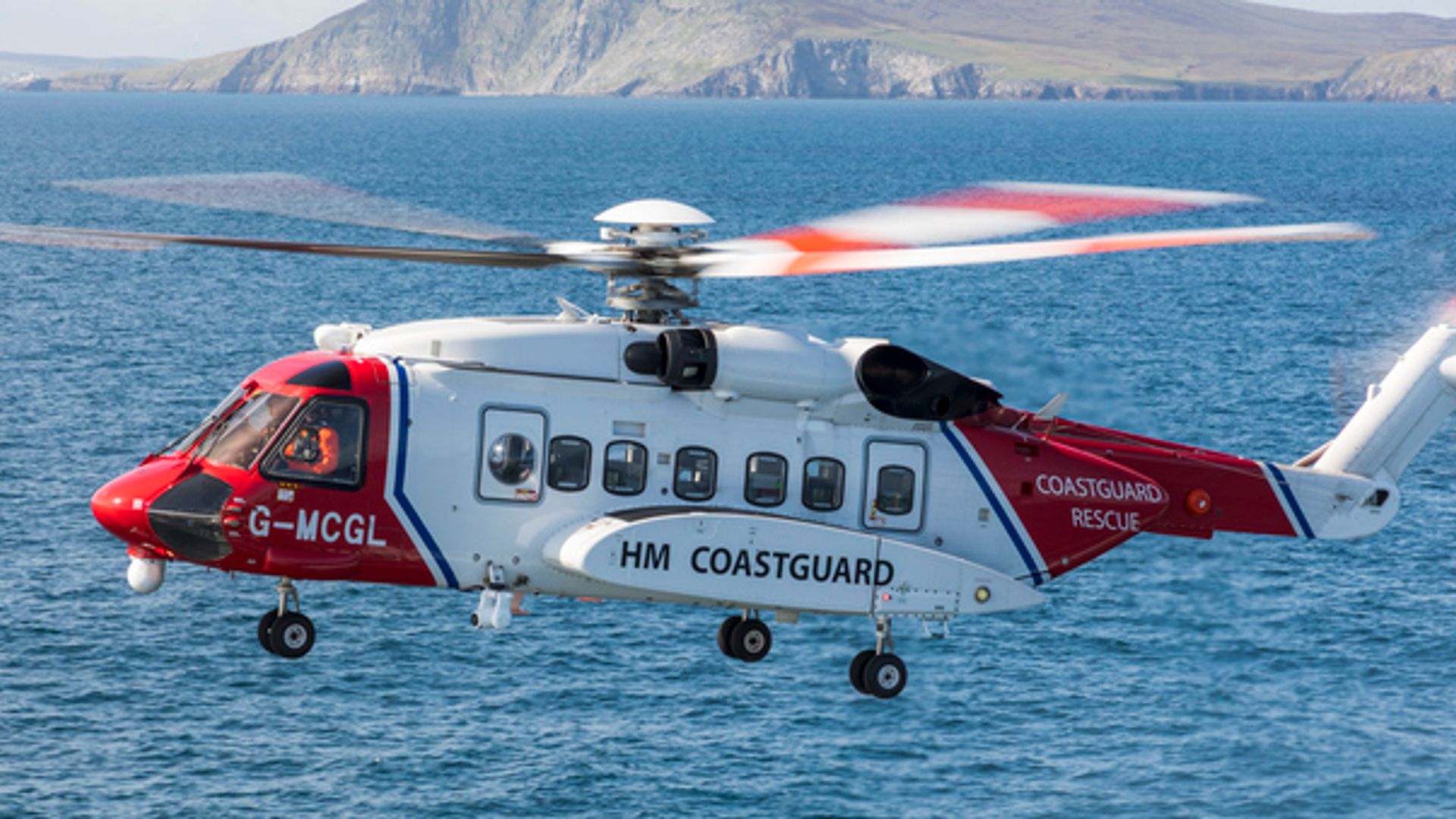
The media treats every single hull failure in the Dover Strait like a cinematic tragedy waiting to happen. A vessel experiences a minor propulsion loss, local authorities scramble tugs, helicopters buzz overhead, and breathless headline writers slap the phrase "in distress" across every screen. Everyone nods along, assuming the system is working just as intended to pull imperiled sailors from a watery grave.
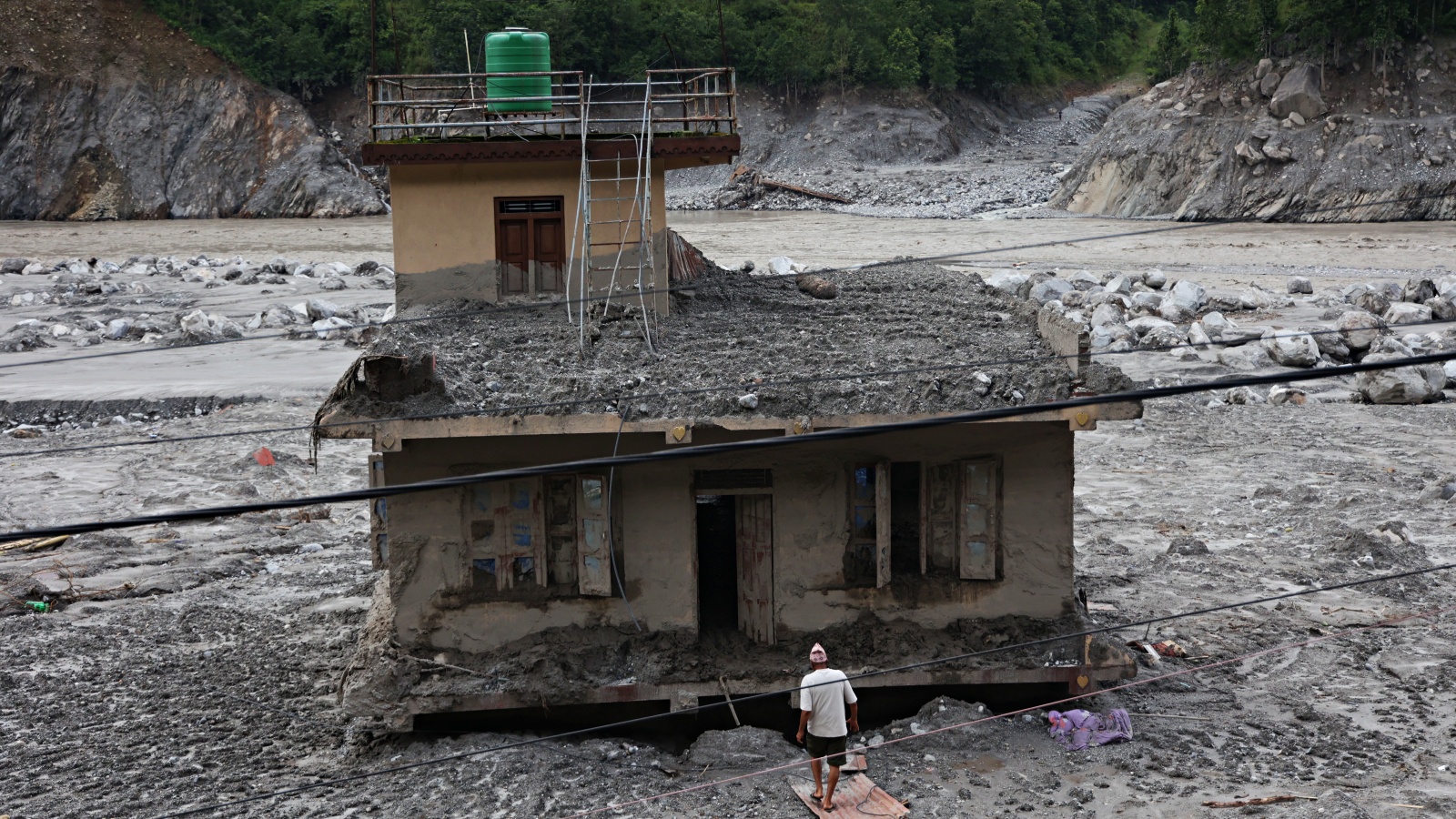
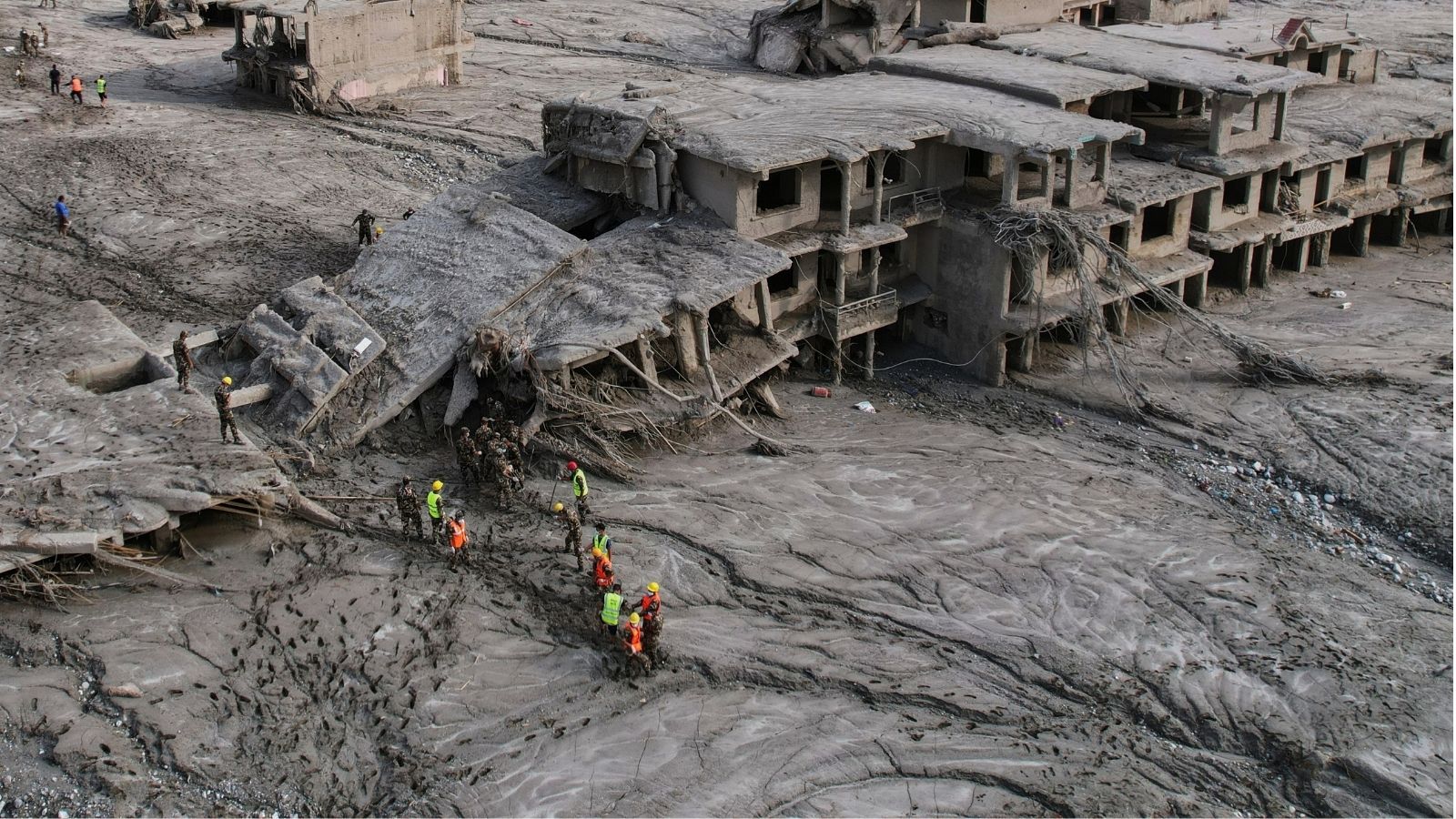
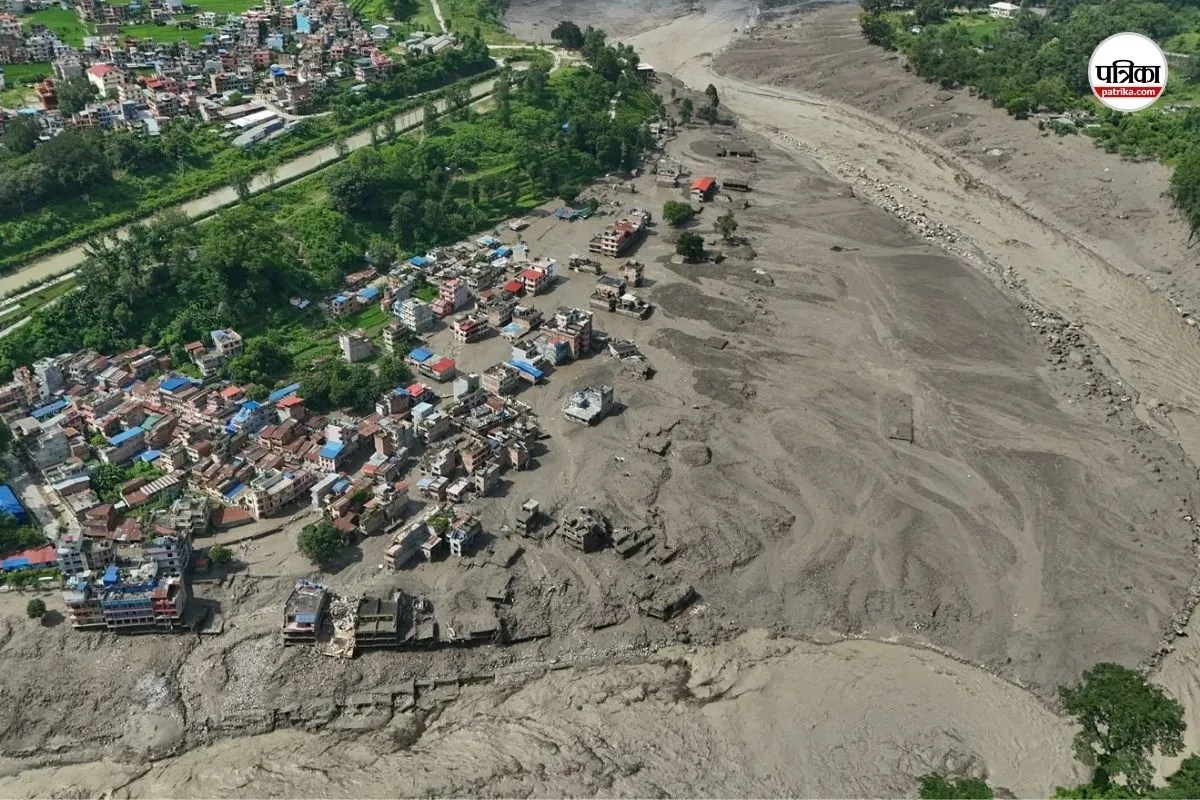
It is theater. Expensive, bureaucratic, high-visibility theater that completely misunderstands how modern maritime commerce actually breaks down. You might also find this related story interesting: Why Blaming Mother Nature For Nepalese Mudslides Is Lazy Journalism.
I have spent two decades analyzing marine insurance claims, port state control detentions, and traffic separation schemes from the North Sea down to the Mediterranean. I have watched risk managers panic over standard mechanical hiccups while completely ignoring the structural decay rotting the industry from the inside. When a container ship or bulk carrier drifts three miles off Dungeness because of a clogged fuel line, calling it a crisis is a lazy narrative designed to feed algorithmic panic.
Let us look at the actual physics and economics of these incidents. A ship losing power in a congested shipping lane is inconvenient, certainly. But panic-driven rescue operations frequently introduce more operational hazard than the disabled craft itself. As reported in recent reports by The Washington Post, the results are widespread.
The Myth of Immediate Catastrophe
The lazy consensus holds that any vessel losing steerage near a high-traffic lane like the English Channel is seconds away from a major ecological disaster or a titanic collision. This assumes the crew is entirely helpless and the marine environment is a sheer cliff waiting to swallow them.
Reality is far more mundane. Modern commercial vessels drift at predictable speeds dictated by localized tidal streams and wind vectors. They carry emergency anchors, double-bottom ballast tanks, and redundant communication systems. When a headline screams about a ship in distress, the reality is usually an overworked chief engineer dealing with low sulfur fuel compatibility issues or a tripped circuit breaker on a auxiliary generator.
The knee-jerk deployment of state-funded rescue assets validates a dangerous feedback loop. Owners and operators realize they can offload minor mechanical triage onto public emergency services without absorbing the full commercial cost of private salvage contracting. We are subsidizing routine maintenance through emergency response budgets.
Where Safety Culture Actually Fails
Maritime authorities love to talk about tightening vessel traffic services and increasing monitoring protocols. They treat the English Channel like an air traffic control sector, assuming more oversight equals more safety.
This is a profound misdiagnosis of the problem. The failure points in modern shipping are rarely navigation errors or a lack of radar coverage. They are financial.
Margins in container shipping and dry bulk have been squeezed to the bone over the last decade. Crew sizes have dropped to the absolute regulatory minimum. Maintenance cycles are pushed to the maximum allowable threshold before classification societies step in. When a ship breaks down in one of the busiest waterways on earth, do not look at the weather conditions as the primary culprit. Look at the dry-dock schedule from eighteen months ago.
Imagine a scenario where a vessel owner defers critical turbocharger overhauls to preserve quarterly cash flow. The part fails mid-channel under heavy load. The captain calls for assistance. Coast guard vessels deploy at taxpayer expense. The ship gets towed into Dunkirk or Dover, repairs are made under pressure, and the owner signs a minor settlement. The underlying economic incentive to run aging machinery on razor-thin margins remains completely untouched.
The Bureaucratic Addiction to Visible Drama
Why do agencies love the "vessel in distress" narrative? Because visibility justifies budgets.
A successful prevention—where an inspector catches a falsified safety management certificate in a Rotterdam port before the ship ever casts off—is invisible. It generates no footage of helicopters hovering over white-capped waves. It wins no political points.
Conversely, a dramatic mid-channel tow provides incredible b-roll for evening broadcasts. It allows port authorities to flex their operational readiness muscles. It transforms a routine mechanical breakdown into an existential battle against the elements.
This performative safety culture actively distracts from the quiet, boring systemic failures that actually kill crews. Fatigue, substandard flag state oversight, and crew abandonment in foreign ports do not make good television, but they represent the true vectors of modern maritime risk.
What Actually Needs to Change
If we want to stop wasting public resources on glorified towing services, we need to completely overhaul liability frameworks for mechanical failures in narrow straits.
First, mandatory commercial salvage retainers should be the default for any vessel operating in high-density traffic corridors lacking immediate propulsion. If you cannot prove your primary systems have redundancy, you should pay a steep insurance premium that funds private standby tugs rather than relying on state-funded coast guard vessels to bail out deferred maintenance.
Second, port state control inspectors need to stop focusing on paperwork compliance and start pulling cylinder heads and checking fuel lines. The current inspection regime is a masterclass in box-ticking. A ship can have a spotless file of digital certificates while its fuel injection system is held together with zip ties and prayers.
The English Channel is not a death trap. It is a highway. And until we stop treating routine mechanical breakdowns like maritime catastrophes, shipping companies will keep treating public rescue services as their free roadside assistance.
Stop watching the helicopters. Start auditing the balance sheets.