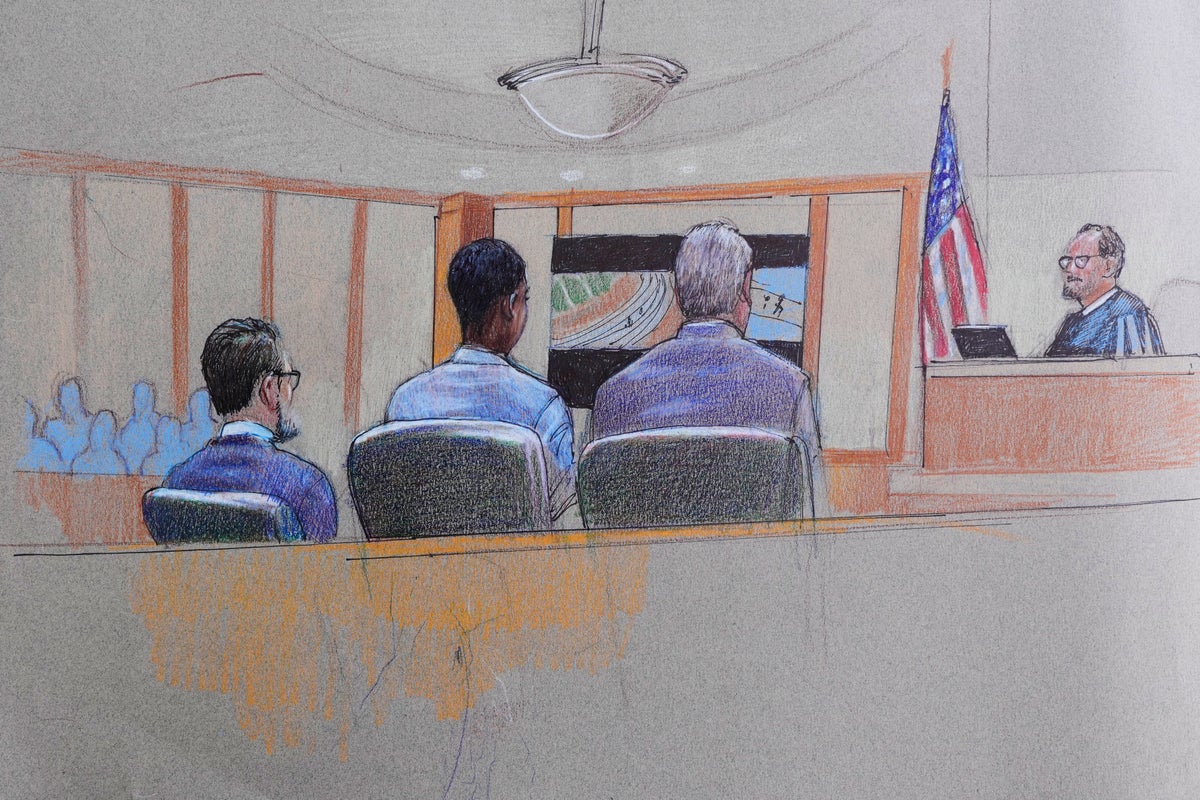
Legal challenges following high-stakes criminal convictions routinely hinge on procedural friction, discovery disputes, and strategic admissions. The post-conviction proceedings in the state prosecution of Karmelo Anthony—who received a thirty-five-year prison sentence for the fatal stabbing of Austin Metcalf during an April 2025 track meet in Frisco, Texas—expose the mechanics of how pre-trial agreements and unadmitted dossiers alter the architecture of appellate arguments. Deconstructing the post-trial hearings requires analyzing how withheld background information, unpresented digital footprints, and informal evidentiary compacts between opposing counsels interact with statutory definitions of murder and self-defense under Texas law.
The Evidentiary Exclusion Framework and Informal Pacts
The recent post-trial evidentiary hearings in Collin County brought to light a substantial volume of material intentionally kept away from the original 12-person jury. Trial defense counsel asserted that a handshake agreement—or gentleman's compact—existed between prosecutors and the defense to omit specific damaging records regarding both the defendant and the victim. In adversarial advocacy, such agreements are executed to streamline trial presentation, prevent character assassinations from eclipsing physical facts, or mitigate mutual vulnerabilities.
The strategy behind suppressing these specific files involved distinct cost functions for each side:
- The Defense Calculus: Omitting the defendant's digital footprint, knife fixations, and internal relationship volatility prevented the state from painting a portrait of premeditation or baseline aggression.
- The Prosecution Calculus: Omitting the victim's history of disciplinary infractions, anger management counseling, and past assault allegations prevented the defense from constructing a compelling narrative of proactive victim provocation.
When a conviction is secured—culminating in a thirty-five-year sentence after the jury rejected a manslaughter instruction and declined to find sudden passion—the post-trial phase disrupts this equilibrium. Once the defense moved for a new trial, the utility of the informal agreement collapsed, leading prosecutors to publicly unveil the excluded dossier to demonstrate that the trial outcome was structurally insulated from prejudice.
The Dual Dossier Breakdown
The materials withheld from the jury reveal deep behavioral baselines that would have fundamentally shifted the psychological narrative of the confrontation if admitted under formal evidentiary rules.
The state's unintroduced file on the defendant contained severe character metrics. Prosecutors highlighted text messages demonstrating an obsession with knives, communications featuring graphic fantasies of violence, and stalking complaints filed by the defendant's ex-girlfriend hours prior to the homicide. These records would have served to neutralize the defense's assertion that carrying a utility knife was merely an incidental protective measure, providing the state with a clear thread of intent and propensity.
Conversely, the background file compiled regarding the victim, Austin Metcalf, contained documented records of severe disciplinary actions, anger management interventions, and past assault allegations spanning his schooling. While the defense argued these items corroborated a pattern of aggressive posturing, trial judges face strict evidentiary thresholds under rules of evidence regarding the admissibility of a victim's specific acts of past conduct to prove initial aggression, particularly when the defendant's contemporaneous awareness of those specific acts is unproven.
Statutory Constraints on Self-Defense and Intent
The legal mechanism that sealed the conviction rests on the operational definition of deadly force and intent within the Texas Penal Code. To successfully claim self-defense, a defendant must establish that the use of deadly force was immediately necessary to protect against an imminent threat of death or serious bodily harm.
The physical mechanics captured on surveillance footage and witness testimony established a specific sequence: an verbal dispute inside a school tent, a physical shove administered by the victim, the retrieval of a utility knife, and a lethal chest wound delivered by the defendant. The jury evaluated this progression and executed three distinct legal determinations:
- Rejection of Recklessness: The jury bypassed the lesser-included offense of manslaughter, which requires proof of reckless conduct rather than intentional conduct. Delivering a blow to the chest with a blade legally satisfies the threshold for intentional action regarding the mechanics of the act.
- Proportionality Deficit: The legal standard requires the defensive response to match the scale of the threat. The jury concluded that a physical shove did not warrant the immediate deployment of lethal force, rendering the reaction disproportionate.
- Provocation Doctrine: Even if physical contact occurred first, state statutes preclude self-defense claims if the defendant provoked the confrontation with intent to cause a violent response, a dynamic supported by witness statements regarding verbal taunts.
Post-Trial Procedural Turmoil
The motion for a new trial transcends the factual arguments of the original proceeding, branching into questions of judicial administration and counsel effectiveness. The removal of the presiding judge prior to the resolution of the post-trial motions introduced procedural instability into an already polarized case.
Appellate logic dictates that a new trial is not granted simply because informal agreements unravel or because cumulative background evidence exists outside the trial record. The moving party must establish that the omitted evidence meets the constitutional threshold of materiality—meaning there is a reasonable probability that, had the evidence been disclosed and admitted, the outcome of the trial would have been different. Given that the newly revealed state evidence heavily damaged the defendant's character with text messages detailing knife fixations, establishing prejudice in favor of the defense remains a high hurdle.
Analyze the post-trial appellate filings for specific reversible errors regarding judicial discretion on jury instructions rather than relying on extra-judicial character disclosures.