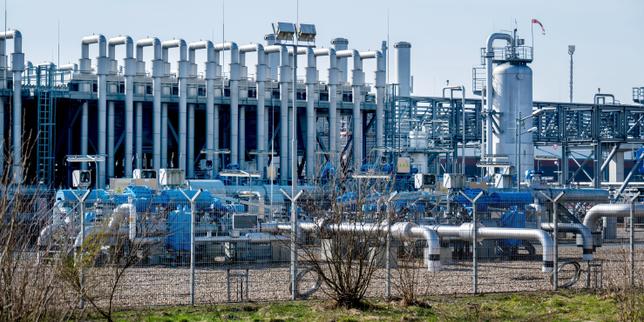
Low European natural gas inventories entering the cold season expose a systemic vulnerability rooted in supply inelasticity, geopolitical routing shifts, and structural storage depletion dynamics. When storage levels trend below historical medians at the onset of peak heating demand, the market shifts from a regime of commercial optimization to one of physical rationing. This transition is not merely a seasonal price shock; it is a stress test of regional infrastructure, liquefied natural gas import capacity, and demand destruction thresholds.
Understanding this exposure requires dismantling the mechanics of the European gas balance sheet. The continent functions on a continuous input-output flow model where storage acts as the primary buffer against peak winter volatility. When that buffer is compromised, the marginal cost of balancing supply and demand rises exponentially rather than linearly.
The Three Pillars of Seasonal Vulnerability
Inelastic Winter Demand
Space heating and industrial feedstock requirements cannot be rapidly deferred without immediate economic contraction. Residential consumption is a function of ambient temperature rather than market pricing. Industrial users, particularly in the chemical, fertilizer, and heavy manufacturing sectors, face immediate margin destruction when spot prices spike, forcing production curtailments long before residential rationing occurs. This creates a binary demand profile where the industrial sector acts as the shock absorber for the entire grid.
Pipeline Inflow Constraints
The reconfiguration of European supply routes following the truncation of long-haul Russian pipeline deliveries removed the system's foundational base-load capacity. The replacement vector relies heavily on liquefied natural gas, which introduces acute exposure to global spot market competition, maritime logistics bottlenecks, and terminal regasification ceilings. Pipeline flows from Norway and North Africa operate near structural capacity, leaving zero headroom for supply surges during unexpected cold snaps.
Storage Withdrawal Dynamics
Storage facilities operate under strict pressure-to-volume gradients. As inventory levels decline toward the end of winter, the withdrawal rate naturally decelerates because the physical pressure within the subterranean caverns and aquifers drops. This technical reality means that a system with fifty percent storage capacity does not possess fifty percent delivery capacity; the final tranches of gas are disproportionately difficult to extract rapidly.
The Cost Function of Storage Depletion
The economic mechanism governing low inventories is defined by the marginal price of secure supply. When storage injections during the preceding summer failed to reach optimal thresholds, the system entered the heating season with a negative structural balance.
To prevent physical deficits, the market must enact demand destruction through price signals. This mechanism operates via two distinct channels:
- Fuel Switching Thresholds: Power generation facilities switch from gas to coal, oil, or nuclear where feasible. However, this capacity is finite, heavily regulated, and constrained by environmental quotas and physical plant availability.
- Industrial Curtailment Curves: Energy-intensive industries calculate the marginal revenue product of manufacturing against the spot cost of gas. Once gas prices breach historical operating thresholds, plants shutter indefinitely, exporting the supply deficit from the energy sector to downstream manufacturing supply chains.
The failure mode of this system occurs when price spikes fail to trigger rapid enough demand destruction due to regulatory intervention, state subsidies, or contractual rigidities. In such scenarios, physical balancing falls to transmission system operators who implement localized curtailments.
Geopolitical and Market Interdependencies
Europe no longer operates in a localized pricing bubble. The reliance on globally traded liquefied natural gas ties European security of supply directly to Asian demand pull and domestic production fluctuations in North America and the Middle East.
When Asian buyers experience cold winters or economic rebounds, spot liquefied natural gas cargoes are diverted away from European terminals through simple price arbitrage. European buyers must outbid Asian counterparts to secure floating regasified volumes, transforming winter storage adequacy into a function of global purchasing power.
This dynamic creates a feedback loop. Low European storage drives up forward prices, which attracts global tankers, but this influx is mediated by terminal bottleneck constraints. Europe possesses finite regasification capacity, particularly in landlocked Central and Eastern European states that remain dependent on secondary pipeline distribution networks from coastal entry points. These internal bottlenecks mean that aggregate continental storage figures can mask severe localized deficits in specific transmission zones.
Systemic Risks and Infrastructure Bottlenecks
The structural deficit is compounded by the retirement of dispatchable thermal generation capacity across several member states. As coal and older nuclear assets were decommissioned without equivalent investments in firm baseload storage or long-duration energy storage, the power sector became structurally dependent on gas-fired generation to balance intermittent renewable output.
When wind generation drops during persistent high-pressure winter weather systems—a phenomenon meteorologists term the Dunkelflaute—electricity demand and gas demand surge simultaneously. Gas is burned to generate power precisely when space heating demand peaks, draining storage twice as fast.
The market architecture assumes that price signals will always clear the physical market. However, physical constraints do not negotiate. If transmission pipelines reach maximum technical flow rates, additional capital cannot accelerate molecules through steel pipe. Similarly, if underground storage extraction rates are bound by geological pressure drop-offs, the volume available on any given freezing morning is capped by physics, not economics.
Strategic Allocation Under Stress
Mitigating the risk of a severe winter deficit requires shifting focus from aggregate inventory targets to withdrawal velocity limits and regional interconnector capacities. Policymakers and grid operators must monitor the daily depletion rate relative to seasonal normal temperatures rather than focusing solely on absolute storage percentages on fixed calendar dates.
Industrial operators must maintain dynamic hedging strategies that account for non-linear price spikes, while transmission system operators require robust, pre-negotiated interruptible supply contracts that can be executed autonomously before regional pressure drops trigger emergency shutdowns.
The structural reality of a low-inventory winter is that the margin for operational error approaches zero. Every unexpected supply outage, whether from an unplanned upstream maintenance event or a maritime shipping delay, forces an immediate re-evaluation of regional security margins. Managing this environment requires recognizing that energy security is an engineering constraint before it is a financial variable.