For decades, most people treated the Arctic as a frozen wasteland fit only for documentaries about polar bears and melting glaciers. That era of sleepy scientific cooperation is officially over. As ice sheets retreat at an alarming pace, the top of the world has transformed into a high-stakes geopolitical chessboard. Russia is militarizing its northern coastline, China is asserting itself as a self-described "near-Arctic state" through infrastructure investments, and Brussels is scrambling to catch up.
The European Union has rolled out a heavily revised Arctic strategy designed to tackle hard security, protect critical subsea infrastructure, and push back against mounting influence from Moscow and Beijing. If you think events thousands of miles north of mainland Europe don't affect your daily life, you're missing the bigger picture. The Arctic dictates global shipping lanes, energy security, and electronic communications networks that keep modern economies afloat.
Moving From Low Tensions To Hard Security
The old diplomatic model of the Arctic was defined by low tensions and high cooperation. Traditional bodies like the Arctic Council functioned smoothly because everyone agreed to keep military friction off the table. Russia’s war in Ukraine shattered that illusion.
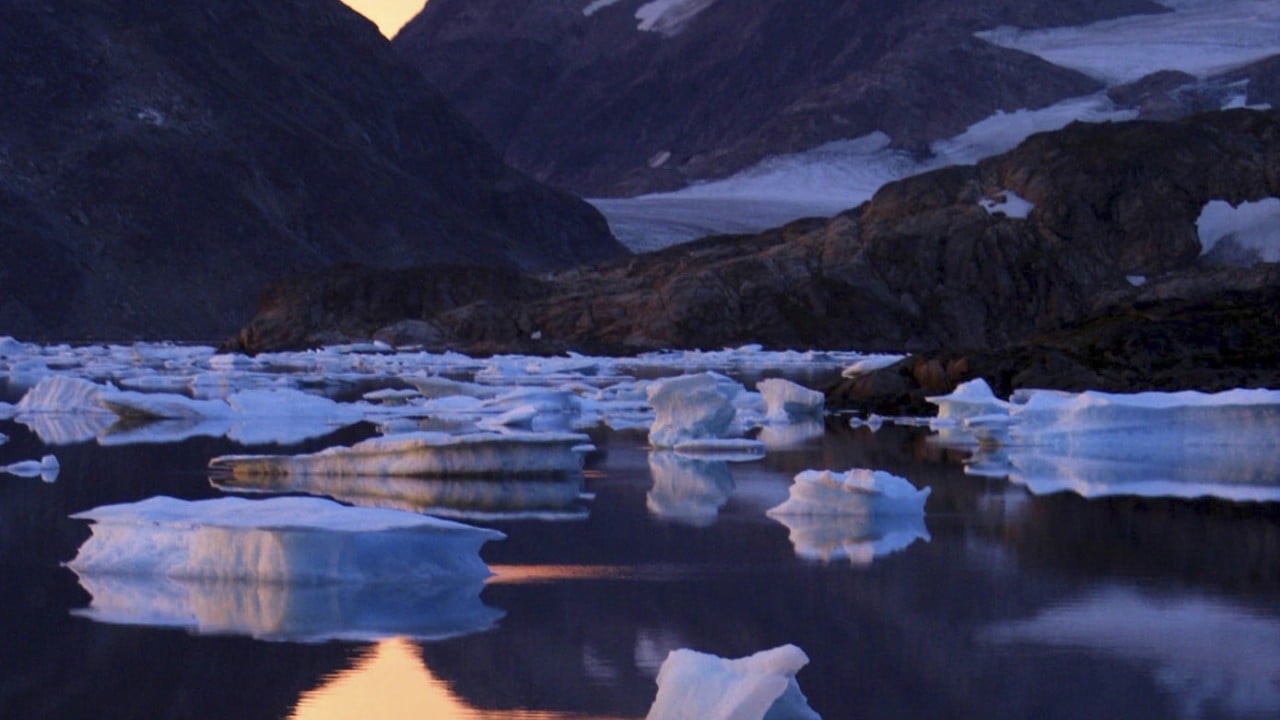
The region is warming nearly four times faster than the rest of the planet, opening up new maritime corridors like the Northern Sea Route. This isn't just about shorter shipping distances between Asia and Europe. It's about strategic choke points. Russia views its northern territory as a core national asset, generating massive oil and gas revenues while dodging international sanctions through shadow-fleet tanker movements.
Meanwhile, Beijing is playing a longer, more calculated game. China doesn't own Arctic soil, but it injects heavy capital into logistics, mining proposals, and research stations. Analysts frequently point out that scientific outposts and commercial shipping ventures often possess dual-use capabilities. What starts as a civilian research vessel today can map intelligence for submarine warfare tomorrow.
Europe's updated strategy directly confronts this reality. Brussels is prioritizing maritime surveillance, military mobility, and the physical protection of subsea cables and gas pipelines. Gray-zone tactics—like sabotage, espionage, and hybrid cyber warfare—pose an immediate threat to European stability. Waiting around for diplomatic courtesy no longer works.
The Dual Challenge Of Climate And Competition
You can't talk about Arctic strategy without addressing the physical environment. The ice is melting, which paradoxically makes the region both more accessible for resource extraction and more vulnerable to environmental catastrophe.
The EU finds itself walking a tightrope. On one hand, policymakers want to secure critical raw materials and green energy supplies. On the other hand, ramping up industrial activity in a fragile ecosystem risks accelerating the very climate tipping points the Union has pledged to prevent.
China and Russia have found pragmatic, project-driven alignment in the north. Moscow needs Chinese technology, cash, and industrial capacity to build out its Arctic infrastructure under crushing Western sanctions. Beijing gets reliable access to discounted energy and valuable polar-navigation experience. For European strategists, this partnership accelerates a security threat that cannot be ignored or wished away.
What This Means For Global Stability
The new European push isn't just about buying icebreakers or patrolling freezing waters. It's about strategic autonomy. Europe has realized that relying on external actors for critical supply chains and energy transit is a massive vulnerability.
Cooperation with transatlantic allies like Canada and the United States remains essential. When Western partners align their maritime policies and intelligence-sharing networks, they project a united front that gives pause to opportunistic expansionism.
Protecting the north requires concrete steps: hardening digital infrastructure against disruption, screening foreign investments in sensitive high-latitude sectors, and supporting the democratic resilience of local Arctic communities who see their home turned into a military theater.
The frozen shield at the top of the world has melted away. Europe is finally building a new one.