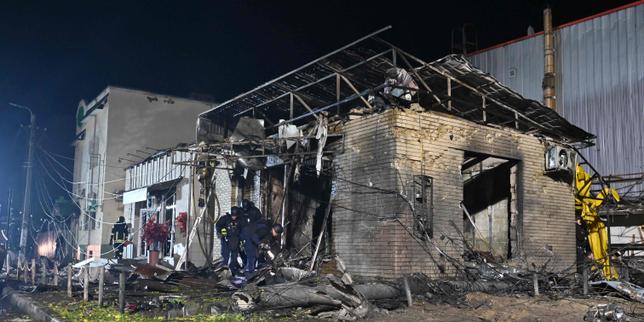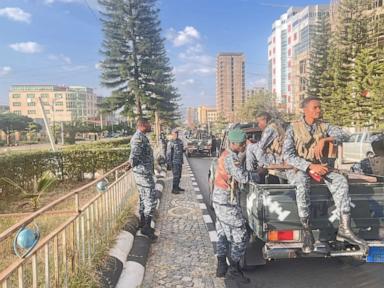
Geopolitical chess in the Horn of Africa rarely moves quietly. When Ethiopian Foreign Minister Gedion Timothewos dispatched an official letter to the United Nations Security Council invoking Article 51 of the UN Charter, he wasn't just filing diplomatic paperwork. He was drawing a legal line in the sand. According to Addis Ababa, Eritrean troops pushed up to sixty kilometers deep into Ethiopian territory, triggering what officials termed a full-scale invasion.
Asmara saw it entirely differently. In a swift rebuttal, Eritrean Information Minister Yemane Gebremeskel labeled the allegations fabricated pretexts, arguing that Ethiopia was laying the groundwork for an unprovoked war of aggression. The core dispute exposes how two fragile neighbors can look at the exact same border region and see two completely different realities.
The Roots of a Fractured Alliance
To understand why tensions flared so sharply, you have to look beyond the immediate border skirmishes. During the devastating Tigray war between 2020 and 2022, Prime Minister Abiy Ahmed and Eritrean President Isaias Afwerki fought side by side against the Tigray People's Liberation Front. That tactical alignment looked like a historic reconciliation after decades of deep freeze.
The peace didn't last. Once the Pretoria Agreement effectively ended the northern civil war in late 2022, the strategic calculus shifted overnight. Asmara wanted the TPLF dismantled entirely. Addis Ababa pivoted toward domestic stabilization and regional integration, eventually igniting fierce friction over a sovereign outlet to the Red Sea. When Ethiopia formally asserted its right to maritime access in 2023, Eritrean leadership viewed it as an existential threat to their sovereignty
Why Ethiopia Defending Itself Against Eritrea Changes Everything Now
news
Diplomatic channels are breaking down fast in the Horn of Africa. When Ethiopia formally notified the United Nations that its military maneuvers against Eritrea were strictly acts of self-defense, it wasn't just diplomatic posturing. It was a clear signal that a fragile regional equilibrium has officially shattered.
Most headlines treated the UN letter as routine bureaucratic friction. They missed the underlying panic. Decades of historical grievances, unresolved border demarcations, and shifting alliances inside Tigray and the broader region have created a pressure cooker. If you aren't paying attention to the border dynamics right now, you are missing the geopolitical flashpoint of the decade.
Let us look past the official press releases. What is actually happening on the ground, and why should anyone outside East Africa care?
The Anatomy of a Breaking Border
Tensions between Addis Ababa and Asmara never truly disappeared after the 2018 peace deal. That agreement won a Nobel Peace Prize, but it left the heavy lifting unfinished. It was a handshake between leaders, not a deep reconciliation between states.
Armies stayed positioned. Rhetoric cooled for a few months, then heated right back up.
When Ethiopia tells the international community it is acting out of necessity, it points to troop mobilizations and perceived security threats along its northern frontier. Eritrea views these same movements through a completely different lens. They see an aggressive neighbor looking for an excuse to settle old scores.
Security dynamics in this region operate on razor-thin margins. Miscalculation takes minutes. Full-scale war takes days.
Why the Regional Power Balance Is Shifting
Ethiopia is dealing with immense internal pressures. Economic strain, internal ethnic conflicts, and the long-term economic hangover of the Tigray War have stretched federal resources to the absolute limit.
Governments facing domestic instability often look outward. They rally populations around a common external threat.
On the other side, Eritrea operates as one of the most heavily militarized states in the world. National service is indefinite. The economy is entirely structured around defense preparedness. When Asmara perceives an encirclement strategy by Addis Ababa, it reacts defensively by tightening internal control and preparing for a prolonged conflict.
This creates a dangerous loop. Action triggers reaction. Fear breeds preparation. Before long, both sides are stumbling into a war neither claims to want.
The Cost of International Apathy
The United Nations receives these letters every week from conflict zones around the globe. Most get filed away and forgotten until blood spills.
That complacency is dangerous. The Horn of Africa sits adjacent to some of the busiest shipping lanes on the planet, bordering the Red Sea and the Bab el-Mandeb strait. A major interstate war here would disrupt global trade routes, trigger massive refugee crises, and draw in regional proxies from the Gulf states and beyond.
We saw what happened during the Tigray conflict. Humanitarian access collapsed. Millions suffered while international bodies offered sternly worded statements instead of effective mediation.
Waiting for a crisis to explode before taking it seriously is a luxury we don't have anymore.
What Comes Next for East Africa
Diplomacy requires leverage, and right now, neither Addis Ababa nor Asmara feels they have room to back down. Prime Minister Abiy Ahmed faces domestic hardliners who view any territorial compromise as treason. President Isaias Afwerki operates from a playbook of survivalist paranoia that treats every foreign engagement as an existential threat.
If you are tracking international risk, watch the rhetoric coming out of state media channels in both capitals. Look for troop movements around the disputed border towns. Pay attention to whether regional bodies like the African Union can step in with actual teeth, or if they will remain sidelined spectators.
Do not wait for the evening news to tell you a war has started. The warning signs are flashing bright red right now.
Stop treating regional conflicts as distant tragedies. Pay attention to the alliances forming, the supply lines opening, and the diplomats packing their bags. The next major geopolitical shockwave is already building along the Red Sea.