Every single headline this week reads like a script written by a third-rate Cold War novelist. Russian strikes hit regional hubs, civilians bleed, and the mainstream press hyperventilates about rising stakes and impending apocalypse. The lazy consensus is comfortable, predictable, and entirely wrong.
Analysts sitting in air-conditioned television studios love to push the panic button about escalation spirals. They treat both governments like sleepwalkers stumbling toward a nuclear precipice. I have spent years tracking military logistics and political economy in Eastern Europe, and I can tell you right now that this narrative of uncontrollable escalation is a calculated performance.
Both Moscow and Kyiv are not losing control of the ladder. They are climbing it on purpose, step by measured step, to extract specific concessions from international paymasters.
The Myth Of The Uncontrolled Spiral
Let us dispense with the amateur hour analysis immediately. When a missile hits a substation or an apartment complex, the immediate reaction from commentators is to scream that the red lines have been crossed.
Red lines are mostly political theater.
In modern protracted conflict, escalation is rarely a sudden loss of control. It is a carefully calibrated dial. Both sides understand the exact threshold of pain the other can inflict without triggering a total systemic collapse. When Moscow launches a barrage, it is rarely an expression of sudden fury or irrational panic. It is a signaling mechanism. It arrives precisely when diplomatic pressure mounts or when Western funding packages hit bureaucratic bottlenecks.
Conversely, when long-range strikes hit targets across the border, Kyiv is not accidentally stumbling into a wider war. They are forcing the hand of hesitant allies who prefer a slow-bleed stalemate to a decisive outcome.
To understand why this happens, you have to look past the smoke and examine the political balance sheets in both capitals.
The Domestic Survival Algorithm
We pretend that these military decisions are made purely on tactical merit. That is pure fantasy.
Imagine a scenario where the fighting stops tomorrow. What happens to the political legitimacy of the key players?
For Moscow, a frozen conflict or a protracted low-intensity grind normalizes war economies. It justifies internal crackdowns, redirects domestic dissent, and institutionalizes state control over critical industries. Total victory is too expensive to achieve and too dangerous to manage. Total defeat is an existential threat to the regime. Therefore, maintaining a steady, manageable temperature on the frontline is the exact sweet spot for regime survival.
On the other side of the border, the calculus is similarly bound by political survival. Total mobilization requires an economic and social toll that compounds every month. Raising the stakes through strategic strikes serves a dual purpose: it inflicts visible costs on the adversary while proving to domestic populations and foreign donors that the initiative remains active.
When civilian casualties mount, it is treated as a tragic accident by apologists and a war crime by prosecutors, but in the cold calculus of statecraft, civilian suffering functions as currency. It hardens domestic resolve. It guarantees continued international sympathy and weapon shipments.
If you view these actions through the lens of emotional escalation, nothing makes sense. If you view them through the cold lens of political self-preservation, every missile launch and every retaliatory drone swarm clicks into place like a gear in a machine.
Dismantling The Red Line Fetish
For three years, we have been subjected to endless hand-wringing about crossing red lines. Every time a new weapon system is introduced, or a new target zone is struck, pundits warn of catastrophic retaliation.
Then the weapon arrives. The strike happens. And nothing fundamentally changes.
The Russian nuclear deterrent has been cited ad nauseam as the ultimate boundary keeping the conflict boxed in. Yet, repeated incursions and sustained attacks on territory previously deemed untouchable have proven that the response is incremental, bureaucratic, and diplomatic rather than apocalyptic.
This does not mean nuclear risk is zero. It means the threshold for irrational escalation is much higher than armchair strategists believe. Deterrence is not a tripwire; it is a negotiation conducted with high-explosive ordnance.
The real danger is not that someone will accidentally press the wrong button in a fit of rage. The danger is that the parties involved will become so addicted to this managed escalation that peace becomes structurally impossible.
The Economic Reality Behind The Frontlines
Military analysts love maps with arrows. Economists look at balance sheets and know the truth.
Both economies have adapted to this baseline of violence. Russia has restructured its industrial output toward defense, locking in a multi-year economic baseline that can sustain this level of conflict indefinitely, provided commodity exports continue finding buyers through secondary markets.
Kyiv operates on an external life support system. Without continuous financial and material transfusions from Western partners, the fiscal architecture collapses in weeks. This creates a perverse incentive structure: the worse the situation looks on the ground, the more urgent the external rescue package becomes.
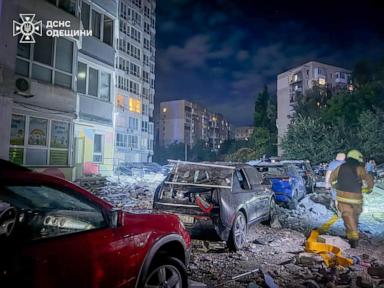
When you hear about eight wounded civilians, your heart should break for the human cost. But your analytical mind should immediately ask: who benefits from this specific strike at this exact hour?
Usually, the answer points directly to upcoming diplomatic summits, stalled congressional votes, or European Union budget negotiations. Violence is the loudest lobby in international relations.
Stop Asking The Wrong Questions
People ask when the war will end. That is the wrong question entirely. It assumes both sides want it to end on terms currently acceptable to the other.
The right question is: how are both actors adapting to a permanent state of managed hostility?
The answer is ugly. They are building institutional frameworks around the bloodshed. Supply chains have adapted. Propaganda outlets have institutionalized hate. Military procurement has become the primary engine of economic activity.
When you treat this conflict as an acute emergency rather than a chronic condition, you misread every move on the board. You expect a sudden resolution or a sudden cataclysm. Instead, you get a grinding, bureaucratic machine that chews up resources and lives with bureaucratic efficiency.
The next time you see a breaking news alert about rising stakes, ignore the breathless panic of the anchor. Look at who stands to gain leverage from the resulting panic.
The stakes are not rising out of control. They are being raised on purpose by people who have calculated that the alternative is far worse for their careers.
Until we understand that peace threatens the political models in both Moscow and Kyiv more than a managed war does, we will keep falling for the same tired script.
Stop waiting for the turning point. This is the baseline.