The borders are shifting and the old rules of engagement have been tossed out the window. If you've been watching the news lately, the headlines feel like a broken record of strikes and sirens. But what’s happening right now between Israel and Hezbollah is different. We aren't just seeing another flare-up. We're witnessing a fundamental change in how Israel handles its northern border, and the ripples are hitting Tehran harder than any diplomat wants to admit.
Israel’s recent campaign against Hezbollah targets in Lebanon isn't just about "responding" to rocket fire. It’s a proactive, high-stakes attempt to dismantle a decades-old threat before it becomes an existential nightmare. While the world watches the smoke over Beirut, the real story is the breakdown of the "deterrence" that kept a fragile peace for nearly 20 years.
The Strategy Behind the Striking
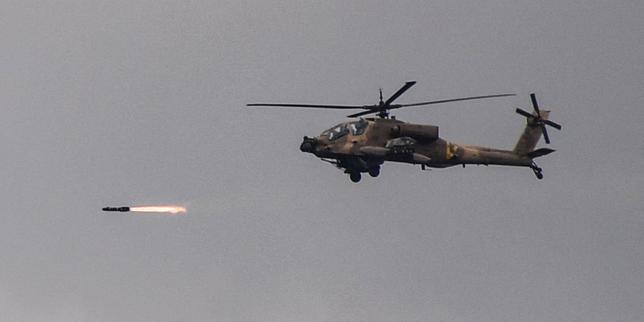
Israel is hitting Hezbollah where it hurts. This isn’t a blind barrage. The Israeli Defense Forces (IDF) are systematically going after the group’s command structure and long-range missile capabilities. You’ve likely heard about the strikes on the Beqaa Valley or the southern suburbs of Beirut. These aren't random. They're calculated moves to strip away the "insurance policy" Iran spent billions building.
For years, Hezbollah was seen as the "long arm" of Iran. The idea was simple: if Israel ever attacked Iran’s nuclear facilities, Hezbollah would rain down 150,000 rockets on Tel Aviv. By attacking now, Israel is effectively calling Iran’s bluff. They're saying, "We don’t care about your insurance policy anymore." It’s a massive gamble.
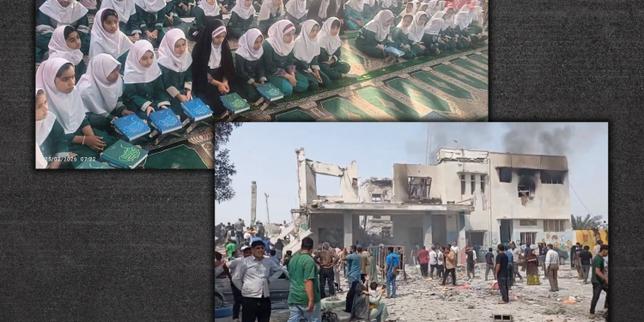
The intensity of these strikes is unprecedented. In a single day, the IDF has reported hitting over 1,600 targets. That’s not a skirmish. That’s a full-scale air campaign. They’re targeting launchers hidden in civilian homes, which, honestly, makes the humanitarian cost devastatingly high. It’s a brutal reality of modern urban warfare where the lines between military infrastructure and living rooms don’t exist.
Why Macron and the West are Terrified of a Ground Offensive
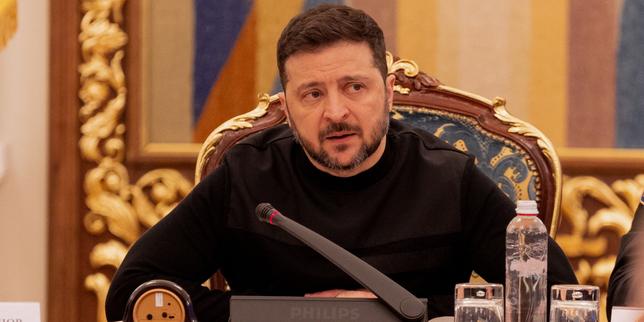
Emmanuel Macron has been vocal. He’s calling for an immediate halt to the escalation and specifically warning against a "ground offensive." Why the specific fear of boots on the ground? Because a ground war in Lebanon is a meat grinder.
Anyone who remembers 2006 knows that Hezbollah is a different beast when they're defending their home turf. They have a vast network of tunnels—some deeper and more sophisticated than anything in Gaza. They have anti-tank missiles that can pierce modern armor. A ground invasion doesn't just mean "winning" or "losing" territory. It means a prolonged, bloody occupation that could drain Israel’s resources and radicalize a new generation.
Macron’s stance isn't just about humanitarian concern, though that's a big part of it. France has deep historical ties to Lebanon. They see the country as a pillar of Francophone influence in the Middle East. If Lebanon collapses—and it’s already on the brink of being a failed state—the refugee crisis would hit Europe fast.
The Tehran Connection and the Proxy Trap
You can’t talk about Lebanon without talking about Iran. This is the "Guerre en Iran" context the headlines keep mentioning. Even though the bombs are falling on Lebanese soil, the message is intended for the Supreme Leader in Tehran.
Israel is basically trying to decapitate Iran’s most successful export. Hezbollah isn't just a militia; it’s a state-within-a-state. They run schools, hospitals, and a massive media wing. By degrading Hezbollah, Israel is shrinking Iran’s regional footprint.
But there’s a catch. If Hezbollah feels truly cornered, they might use their most "strategic" weapons—the precision-guided missiles that can hit the Israeli power grid or the Ministry of Defense. So far, we haven’t seen the full extent of that. It’s a weird, terrifying dance where both sides are stepping up the violence while trying to avoid the "big one" that leads to total regional war.
Displaced Lives and the Humanitarian Reality
We need to talk about the people caught in the middle. Over 100,000 people in Southern Lebanon have been forced to flee their homes. On the Israeli side, 60,000 people have been living in hotels for nearly a year because of Hezbollah’s constant shelling.
This isn't just a "military operation." It’s a mass displacement event. When you see families packed into cars with mattresses strapped to the roof, you’re seeing the failure of international diplomacy. The UN Resolution 1701, which was supposed to keep Hezbollah away from the Israeli border, has been a dead letter for years.
Common Misconceptions About the Conflict
- "It’s just about Gaza": While the current round started after October 7th, the tension between Israel and Hezbollah has been building since 2006. It’s an independent theater of war now.
- "Precision strikes mean no civilian deaths": "Precision" is a relative term. When a missile is stored in a garage in a dense neighborhood, the "precision" strike is going to take out the whole block.
- "A ceasefire in Gaza fixes everything": Hezbollah says they'll stop if Gaza stops. But Israel now says they won't stop until Hezbollah is pushed back past the Litani River. The goals are no longer aligned.
The Intelligence War is Already Won
Regardless of how the physical fighting ends, Israel’s intelligence services have already delivered a masterclass in infiltration. The recent "pager" and "walkie-talkie" incidents—where communication devices used by Hezbollah exploded simultaneously—showed that Hezbollah is compromised from the inside out.
Imagine trying to run a war when you can't trust your phone, your radio, or even your pager. That psychological blow is huge. It creates paranoia within the ranks. Hezbollah leaders are looking at their own shadows, wondering who the mole is. This internal chaos is a major reason why the IDF has been so successful in picking off top-tier commanders like Ibrahim Aqil.
What to Watch Right Now
The next few days are critical. If Israel decides the air campaign isn't enough to secure the return of their citizens to the north, the tanks will roll. That’s the "red line" for the international community.
Watch the rhetoric coming out of the UN General Assembly. Look for whether Iran decides to directly intervene or if they continue to let Hezbollah take the hits. Also, keep an eye on the Lebanese Armed Forces (the official state army). They’re mostly sitting on the sidelines, but if they get dragged in, the complexity of the conflict triples.
Stay informed by looking at raw footage and verified reports from the ground. Avoid the sensationalist fluff. The reality of the situation is grim enough without the extra drama. We are in a period of high-velocity change where today’s map might be irrelevant by tomorrow morning.
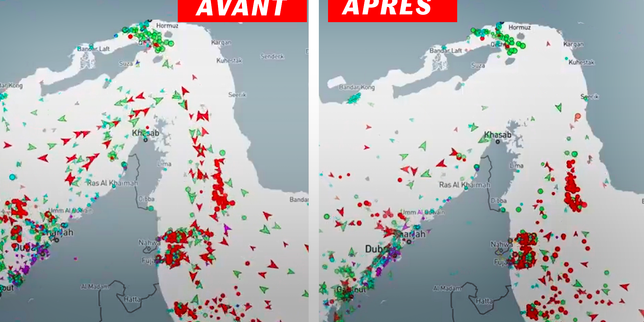
Monitor the flight paths and shipping lanes in the Eastern Mediterranean. Many airlines have already suspended flights to Beirut and Tel Aviv. This economic isolation is the first sign of a prolonged conflict. If the maritime routes near Haifa get targeted, the global economic impact will be felt far beyond the Levant. Keep your eyes on the official IDF and Hezbollah Telegram channels for real-time updates, but always cross-reference them with independent journalistic outlets to filter out the propaganda.