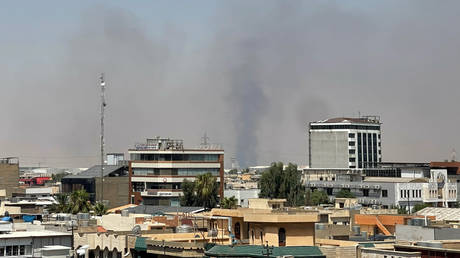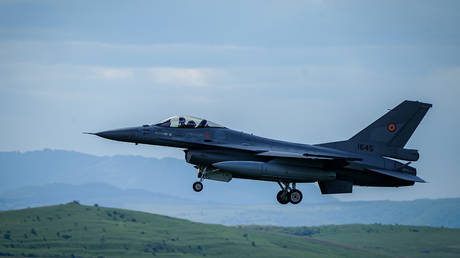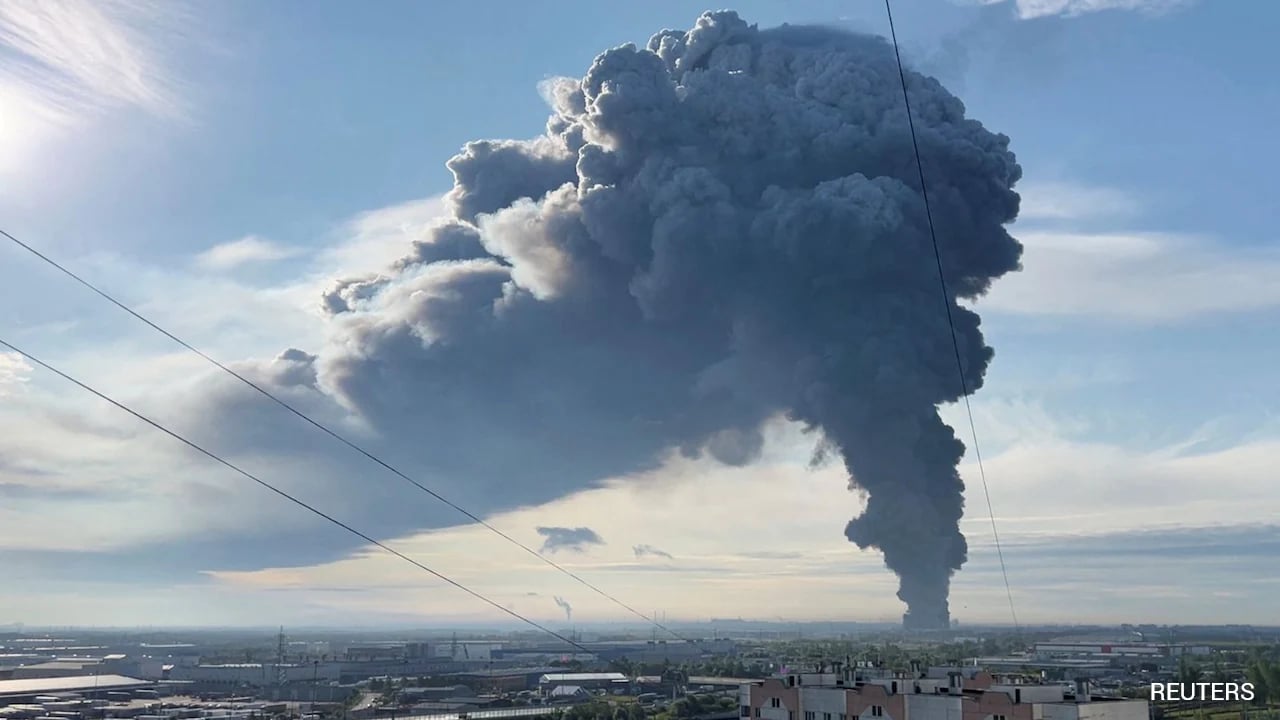
Long-range bombardment has reached a brutal high point in Eastern Europe. Recent overnight exchanges between Russia and Ukraine left at least 17 people dead, underscoring how central long-range missile and drone strikes have become to this relentless war. Ground forces continue fighting across long front lines, but long-range combat now shapes daily realities for millions of civilians far behind the trenches.
Military commanders on both sides use deep-strike tactics to hit infrastructure, military assembly points, and energy facilities. Moscow hit multiple Ukrainian cities with wave after wave of suicide drones and cruise missiles. Kiev launched targeted strikes into Russian frontier regions and occupied zones, hitting logistically critical positions.
Civilian populations bear the brunt of these exchanges. Local emergency teams reported severe structural damage to residential blocks, private homes, and municipal facilities.
Emergency Teams Struggle Under Constant Aerial Threats
First responders were pulled in every direction as barrage after barrage overwhelmed local infrastructure. When heavy munitions strike high-density housing units, search and rescue operations get dangerous quickly. Fires break out. Gas lines rupture. Secondary explosions occur when unexploded ordnance sits hidden beneath falling masonry.
Rescuers in heavily impacted zones worked through toxic smoke and twisted rebar to pull survivors from wreckage. Emergency services confirmed multiple fatalities at several blast sites, including children and elderly residents who couldn't reach underground shelters in time. Medical facilities reported treating dozens of victims for severe lacerations, blast trauma, and burns.
Air defense systems intercepted many incoming warheads. Yet, enough got through to cause devastating loss of life. Even when an air defense missile successfully intercepts a target, falling debris drops onto populated city blocks with deadly force. Falling shrapnel smashed roofs, destroyed power lines, and ignited parked vehicles along commercial corridors.
Tactical Objectives Behind Deep Long Range Operations
To understand these heavy losses, you have to look at what both militaries hope to gain with long-range assets. Neither side relies strictly on conventional artillery near the front lines anymore. Long-range drone technology and guided cruise missiles shifted how strategic depth works.
Russia aims to disrupt supply corridors, degrade air defense stockpiles, and break down grid reliability before winter peaks. By forcing Ukraine to expend expensive air defense interceptors on lower-cost attack drones, commanders attempt to open gaps for heavier ballistic strikes later.
Ukraine uses long-range attacks differently. Kiev focuses on asymmetric disruption. By striking energy depots, airfields, radar arrays, and ammunition hubs deep inside Russian territory, Ukrainian forces disrupt logistics lines supporting front-line Russian formations. Taking out a single fuel dump or military rail junction hundreds of kilometers behind enemy lines forces a cascading delay across the entire battlefield.
Defensive Deficits and the Supply Chain Strain
Stopping deep strikes isn't cheap. It demands advanced radar, constant air patrols, and a steady supply of interceptor missiles like Western-supplied Patriot batteries or domestic Soviet-era systems. Air defense stockpiles face intense consumption rates that manufacturing pipelines struggle to match.
Military analysts note that defending every major city and critical asset across thousands of square miles remains nearly impossible. Defense planners make tough decisions about what gets protected.
- Strategic command centers receive top-tier multi-layered protection.
- Critical power grid substations often get secondary defense coverage.
- Residential zones must rely on regional mobile fire groups armed with heavy machine guns and short-range missiles.
This layered gap leaves residential pockets vulnerable when coordinated saturation attacks overwhelm regional radar networks.
Humanitarian Pressure and International Response
The human cost of these aerial duels spreads beyond immediate blast zones. Bombardments destroy regional utility networks, cutting water and electricity for entire districts. Families endure long blackouts, heating failures, and structural instability in heavily damaged apartments.
International monitoring groups continue tracking civilian casualties from these long-range operations. Human rights observers note that targeting energy networks during cold periods directly impacts non-combatant survival, creating widespread humanitarian stress. Aid organizations face growing challenges distributing emergency shelter kits, generators, and medical supplies while air raid alerts sound continuously across regional hubs.
Governments monitoring the conflict respond to these escalation cycles by adjusting military assistance packages. Calls for higher-capacity air defense units, long-range counter-strike capabilities, and heavy radar platforms dominate diplomatic discussions.
If you want to track how this conflict develops, keep a close watch on two key indicators: international defense production schedules for interceptor missiles and regional casualty reports along logistics corridors. Monitoring daily operational updates from regional emergency management services gives you the clearest picture of how these strikes impact civilian centers.