The Democratic Republic of the Congo is about to receive 70,000 doses of the Ervebo vaccine. On paper, it sounds like standard medical relief. Look closer, and you will find a massive scientific gamble.
The current outbreak tearing through eastern Congo involves the Bundibugyo virus strain. Ervebo was specifically built to fight the Zaire ebolavirus, which drove the devastating 2014-2016 epidemic in West Africa and several regional flare-ups since. It is not licensed for Bundibugyo.
So why send it? Because health authorities are staring down the fastest-moving Ebola outbreak in recorded history, and doing nothing is not an option. Early laboratory and animal tests hint that Ervebo might offer cross-protection against other strains, but nobody knows for sure.
The High-Stakes Strategy Behind the Doses
The International Coordinating Group on Vaccine Provision approved Kinshasa’s emergency request to deploy these supplies immediately. They are splitting the 70,000 doses into two distinct groups.
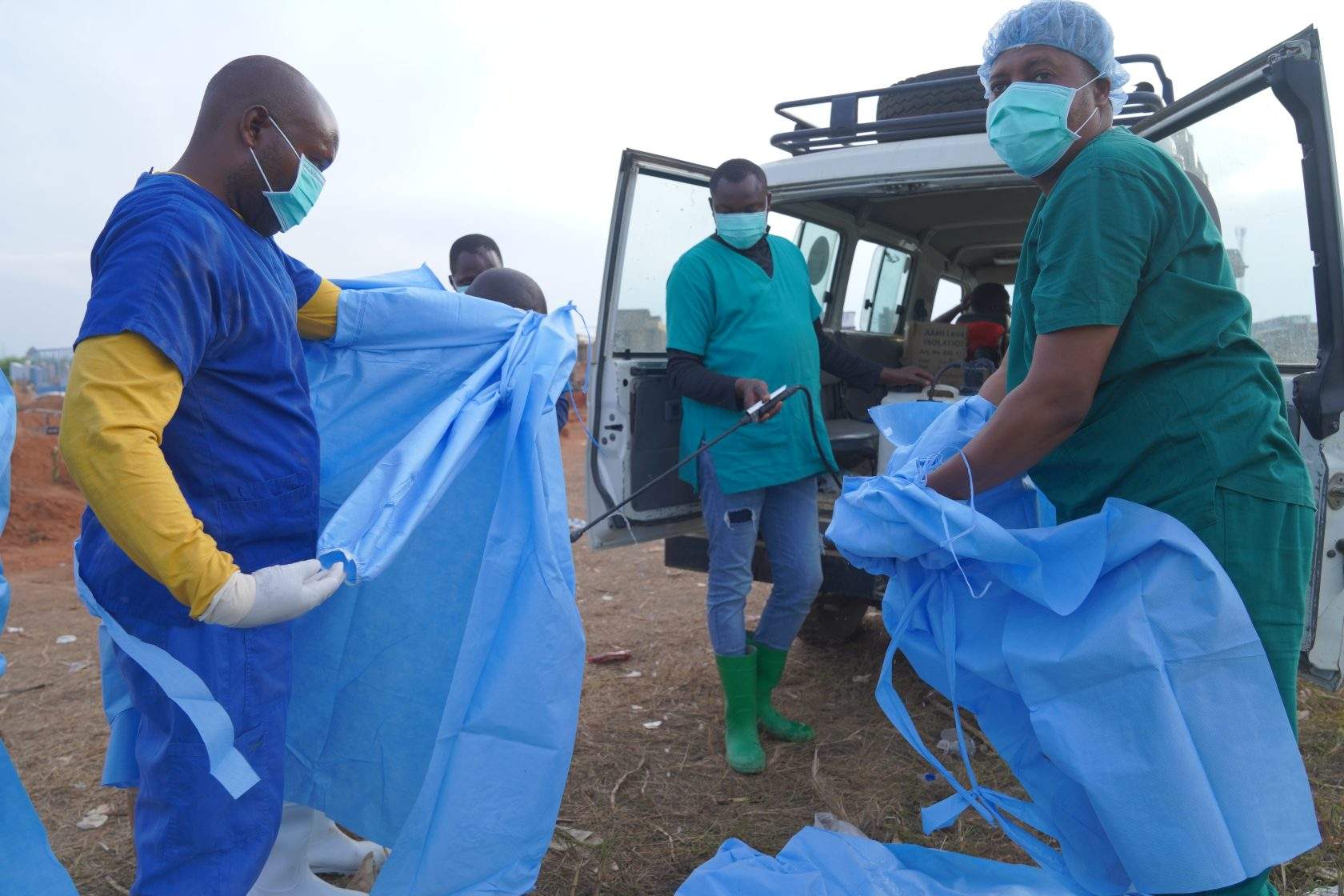
Fifty thousand doses are going directly to frontline health workers. More than 160 medical staff have already contracted the virus in this specific wave, and dozens have died. When your workforce is bleeding out, you protect them with the best available tool, licensed or not.
The remaining 20,000 doses are carved out for a Phase 3 clinical trial. Researchers are racing against time to collect real-world data on whether this Zaire-targeted shot can suppress the Bundibugyo strain. It is a calculated scientific trial running parallel to an active humanitarian crisis.
Facing the Reality on the Ground
Handling this outbreak is not just about medical logistics. Eastern Congo remains a conflict zone. Ongoing violence between government forces and armed groups like M23 routinely blocks medical teams from entering hotspots, forcing health centers to close or relocate.
Surveillance teams are constantly playing catch-up. Most new cases are appearing outside monitored tracking groups, meaning the virus is outpacing the trackers. When transmission speeds hit three times the velocity of the West African epidemic, standard containment playbooks fall apart.
What Happens Next for Medical Responders
Public health experts are betting that basic immunological overlap will save lives while the trial runs its course. If the data from the 20,000 trial doses shows positive results against the Bundibugyo strain, it changes outbreak management globally.
For now, the focus is simple. Get the vaccines off the tarmac, shield the doctors and nurses keeping clinics open, and track every single data point before the virus outruns the response entirely.