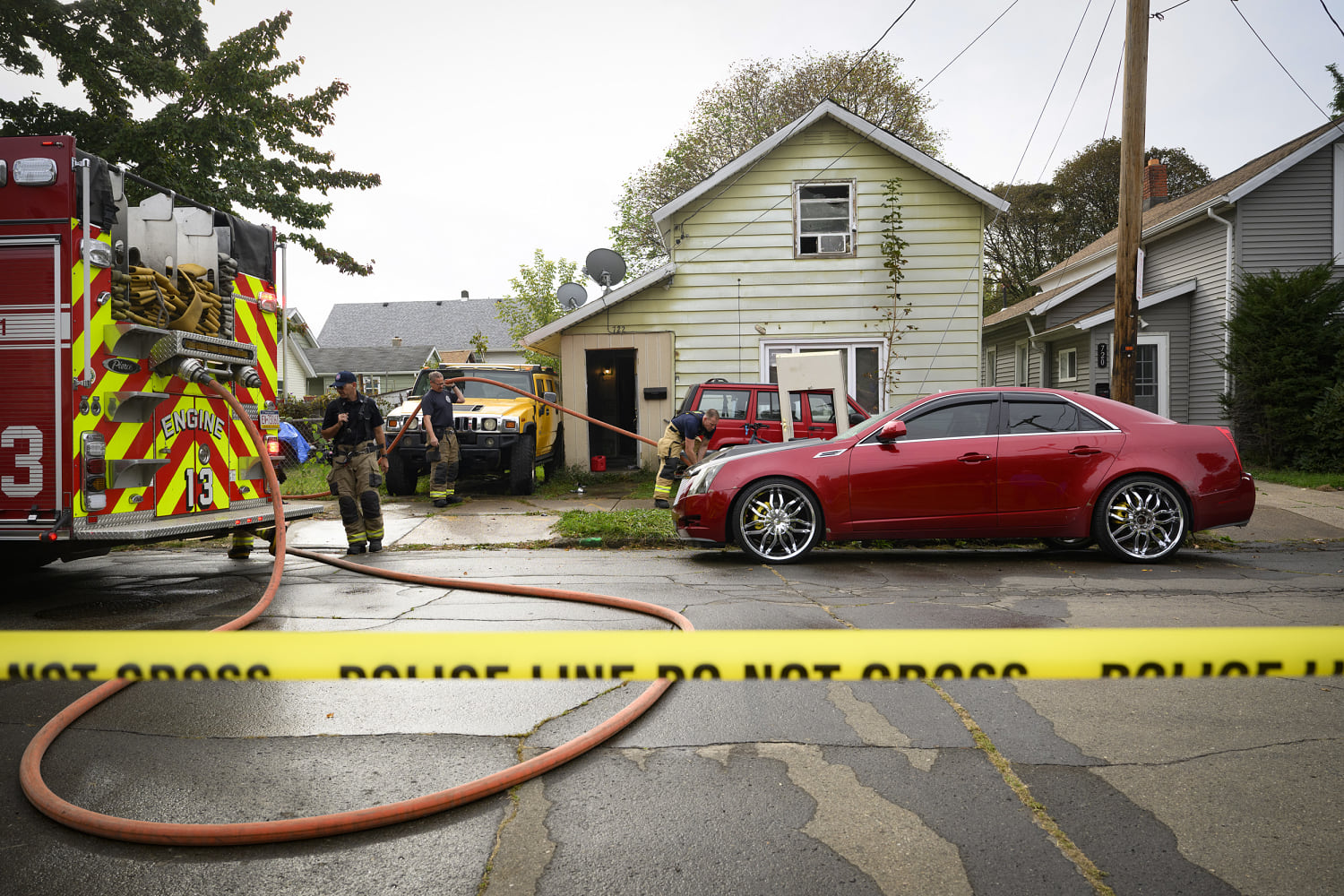
Living conditions inside a home rarely grab headlines on their own. When they show up in a mass shooting investigation, people stop and stare.
After the October 2026 mass shooting on Perry Street in Erie, Pennsylvania, Erie Police Chief Rick Lorah described a residence in severe disrepair. According to police findings reported by CBS News Pittsburgh and Spotlight PA, the shower, toilet, and kitchen sink did not appear to be working, and numerous two-liter bottles filled with urine were found throughout the house. Eight people were killed in the attack—seven relatives and a friend—before the suspected gunman, 45-year-old Matthew Stone Sr., died from an apparent self-inflicted gunshot wound. You might also find this similar story useful: The Structural Failure of Return Policies for Russian Emigres.
Shocking details like non-working plumbing and urine bottles tend to pull all the oxygen out of a news cycle. That's a mistake. Gross-out details don't explain why a tragedy happened, and treating them as mere shock value misses what investigators actually uncovered about control, isolation, and missed warning signs.
Why Living Conditions Matter in Violent Domestic Cases
When a house has broken plumbing and bottles of urine sitting around, neighbors and readers naturally ask how people end up living like that. Sometimes it's severe neglect or hoarding. Sometimes it's poverty or mental decline. As highlighted in recent articles by Associated Press, the implications are widespread.
In the Erie case, Chief Lorah said relatives told investigators that Stone exercised tight control over his wife, children, and grandchildren for years. He reportedly restricted when household members could leave and controlled household finances, including supplemental government money meant for a grandchild. Water service at the property remained active, yet carried a reported $1,900 unpaid balance, while basic fixtures weren't working.
Look at how physical environment and coercive control feed each other. When one person dictates money, movement, and daily routines, even basic household maintenance can break down without outside intervention. Family members inside might adapt to miserable conditions rather than risk escalating conflict, especially if they have nowhere else to go.
At the same time, detectives also noted drug paraphernalia inside the home and said family members raised concerns about Stone's mental health, physical health, and suspected substance use. Still, Lorah was careful to say investigators couldn't confirm a mental health diagnosis from medical records or determine what role drugs or mental health played in the shootings. That restraint matters. Jumping from messy or squalid surroundings to a neat psychological formula sounds tidy, yet real investigations rarely hand out neat answers.
Control Behind Closed Doors
What stands out most in the Erie reporting isn't just the state of the house. It's the timeline of someone trying to get out.
According to police accounts, 24-year-old Angelina Stone—who was pregnant—had been sending messages saying she planned to leave after giving birth, reported physical abuse toward her brothers, and had previously tried to change her last name while pursuing a path in medicine. Detectives later found packed bags and boxes in her bedroom.
Criminologists and domestic violence researchers have long pointed out that periods when someone prepares to leave an abusive or controlling environment carry heightened risk. Leaving threatens the abuser's grip. You don't need sensationalism to see why investigators pay close attention to packed bags, text messages, and recent phone calls right before a violent incident.
Where Warning Signs Stall Before Tragedy
People reading about the Erie shooting often ask the hardest question of all. Why didn't something stop this earlier?
Police noted a prior 2019 domestic violence arrest involving Stone and his wife, Michelle Stone, tied to the same .40-caliber handgun later linked to the shooting. Those charges were withdrawn after Michelle Stone changed her statement at a preliminary hearing.
That happens all the time in domestic cases. Witnesses recant or change statements for dozens of reasons—fear, financial dependence, pressure from family, hope that things will calm down, or distrust of the system. Once a key witness steps back, prosecutors often lose the evidence needed to move forward, even when officers saw a real threat on the scene.
Even Chief Lorah acknowledged the limits of hindsight. He told reporters that investigators can't say with certainty what happened inside the home in the final moments or pinpoint a single cause, adding that people shouldn't assume one intervention would have prevented everything—while still pushing the community to ask where it can do better.
Common Misconceptions About Squalid Homes and Violence
When gruesome home details surface in crime reporting, a few myths usually spread fast.
- Myth: Extreme filth automatically proves a specific mental illness. Plenty of people live in unsanitary conditions due to poverty, physical disability, depression, substance struggles, or hoarding without ever harming others. Conversely, plenty of violent offenders keep spotless homes.
- Myth: If neighbors didn't see bruises, nothing bad was happening. Coercive control thrives on isolation. Shaded windows, locked doors, and tight control over finances and rides can keep abuse hidden from the street for years.
- Myth: Withdrawn charges mean the danger passed. A dropped case closes a court file. It doesn't erase power dynamics inside a house.
Practical Steps When You Suspect Severe Control or Unsafe Conditions
If you're a neighbor, relative, coworker, or friend worried about someone living in controlling or deteriorating conditions, acting on vague unease can feel awkward. You don't want to overreact, yet ignoring red flags feels worse.
- Keep communication open without judging. If a relative or friend mentions feeling trapped, short on money, or unable to leave, listen without lecturing. Shame keeps people quiet; steady support helps them plan.
- Document specific facts carefully. If you're concerned about a child, an older adult, or someone unable to care for themselves, note concrete observations—dates, unsafe conditions, or threats—rather than guessing at motives.
- Use local hotlines and protective channels. In the United States, you can call or text the National Domestic Violence Hotline at 1-800-799-SAFE (7233) for confidential guidance on safety planning, even if you're the one reaching out on behalf of someone else. If children or vulnerable adults face neglect or abuse, contact your county child or adult protective services agency or local law enforcement.
- Prioritize safety during any exit. Anyone planning to leave a controlling household usually benefits from quiet preparation—securing vital documents, money, and a safe place to go—rather than announcing plans abruptly.
No single detail explains a tragedy like Erie's. Looking past the shock of those house conditions toward patterns of isolation and control gives us a clearer, more honest look at what warning signs actually look like.


