Awards season used to feel like a predictable conveyor belt of stiff PR talking points and velvet-rope step-and-repeats. Then Envelope Insiders Live rolled into Culver City at the Culver Theater in October 2026, and honestly, the energy in the room felt different. It wasn't just another polite Q&A where publicists read off approved adjectives. It was a live test of whether creative teams can hold a room of guild members, academy voters, and film/TV fans without hiding behind a script.
If you're trying to figure out which shows and movies actually have staying power heading into voting season, live room chemistry tells you plenty. Press junkets flatten performances into five-minute soundbites. Sitting in a theater watching actors and filmmakers bounce ideas off each other—and react to real questions—exposes what's genuine and what's pure packaging.
What Envelope Insiders Live Actually Does Differently
Every awards outlet claims to bring readers "closer" to the talent. Most of the time, that means a polished studio sit-down with pre-vetted anecdotes.
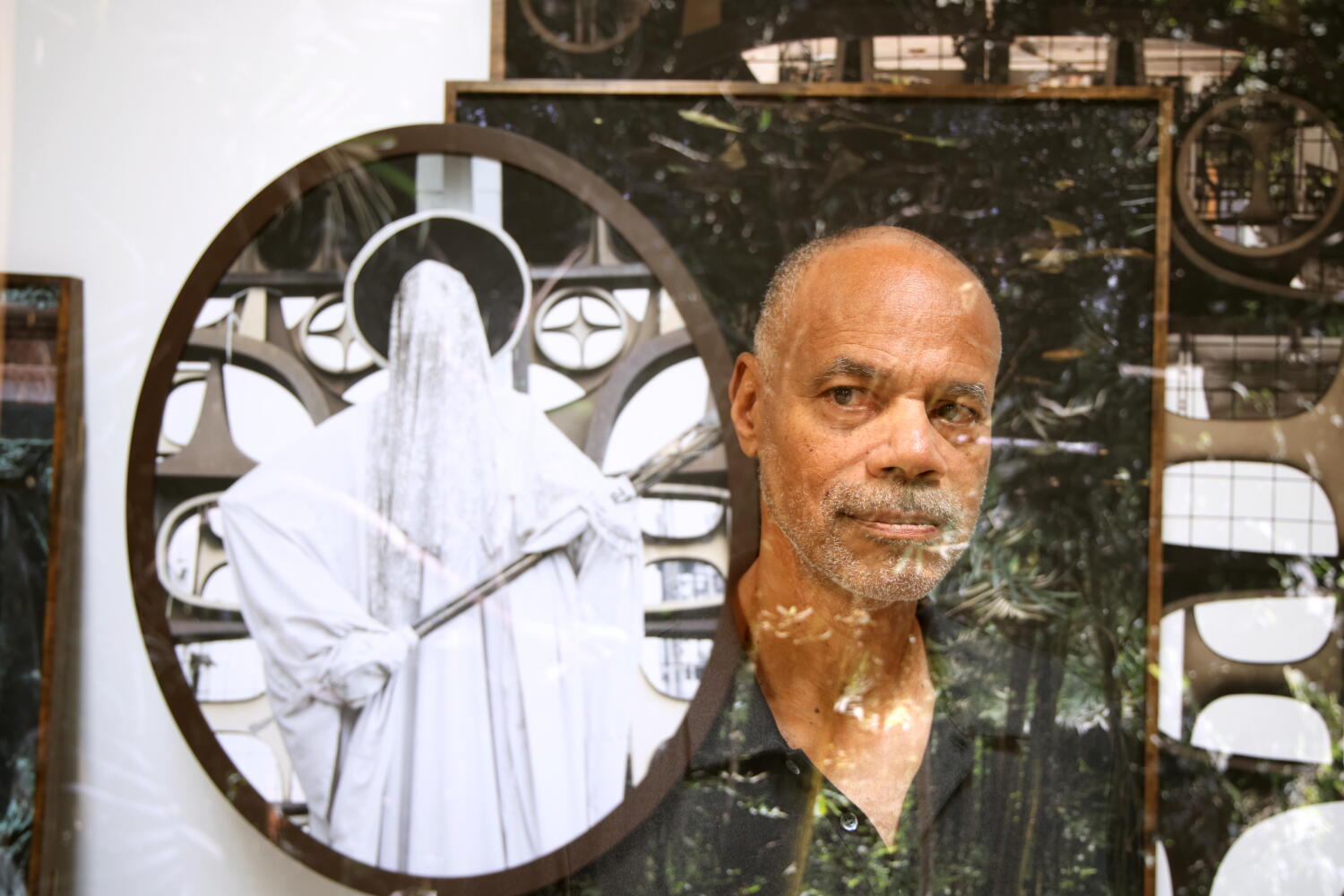
Envelope Insiders Live—launched as a flagship live showcase by The Envelope, the Los Angeles Times awards hub—put four distinct projects in front of a live audience at the Culver Theater: Furious, Love Story: John F. Kennedy Jr. & Carolyn Bessette, The Only Living Pickpocket in New York, and Tenzing. Instead of treating awards campaigning like a sterile corporate trade show, the event leaned into real-time conversation, studio portraits, and candid talk about craft.
Why does that matter for awards momentum? Because voters in film and television academies are tired of noise. When you're sorting through dozens of screeners every week, a memorable live conversation gives a project a pulse. You remember the actor who talked candidly about pressure, or the director who explained a visual risk without sounding like a brochure.
Still, let's not pretend a single live event guarantees nominations. Great panels don't fix weak scripts or flat distribution strategies. A show can nail every live Q&A and still get squeezed out by a louder studio push or a crowded category. What Envelope Insiders Live does well is give mid-season and late-year contenders a sharper spotlight when voters start narrowing their lists.
Why Live Voter Events Matter More Now Than Ever
Streaming and prestige television have turned awards season into a marathon with almost no off-season. Voters aren't just watching screeners in quiet screening rooms anymore; they're juggling work, family, and hundreds of hours of content.
Live gatherings cut through that fatigue in three practical ways:
- They create human connection: Hearing Emmy Rossum talk openly about the weight of following up a first season while connecting with viewers who see themselves in difficult storylines lands harder than a press release.
- They highlight craft behind the camera: Cinematography, pacing, and adaptation choices sound abstract on paper until a director or cinematographer breaks down how a scene actually came together.
- They spark organic word of mouth: People leave live events talking about specific moments, which keeps titles circulating in conversations long after the panel wraps.
The Standout Stars and Projects From the Showcase
Looking across the lineup featured at Envelope Insiders Live, what stands out isn't a single genre or budget tier. It's the variety of bets creators are taking—from high-profile biographical drama to gritty New York crime and high-altitude storytelling.
Furious and the Weight of Season Two Expectations
Few traps in television are trickier than following up a buzzy debut with a second season. Once people care about a show, expectations shift from "Is this good?" to "Can they top it without losing what worked?"
With Furious—the Hulu series starring Emmy Rossum alongside Quincy Tyler Bernstine and Steve Way—the conversation around preparing for Season 2 highlighted a tension every creative team feels. Rossum has spoken candidly about feeling "pre-stressed" about delivering on the next chapter while staying grounded by how deeply heavy themes—including stories touching on survivors of abuse and trafficking as well as disabled characters—resonate with audiences.
That kind of honesty is gold during awards season. Voters respond to artists who treat sensitive material with care rather than treating trauma like a plot gimmick. If the writing in the next batch of episodes keeps that same sharp focus, Furious has a real shot at staying firmly on critics' and voters' radars.
Love Story and Playing Icons Without Becoming a Caricature
Taking on real people with famous public lives is a minefield. Play them too stiffly, and it feels like a wax museum. Play them too melodramatically, and you lose the human truth underneath the tabloid headlines.
Love Story: John F. Kennedy Jr. & Carolyn Bessette, starring Sarah Pidgeon as Carolyn Bessette opposite Paul Kelly as John F. Kennedy Jr., tackles one of the most scrutinized pairings in modern pop culture. When actors step into shoes that already carry decades of nostalgia, fashion obsession, and tragedy, the real challenge isn't mimicking posture or hair. It's finding quiet, private moments inside a public fishbowl.
From a viewer's perspective, that's what separates memorable biographical drama from glossy distraction. When an actor makes an iconic figure feel vulnerable and specific rather than mythic, the performance earns credibility fast.
The Only Living Pickpocket in New York and Old-School Grit
There's something refreshing about a crime thriller that doesn't rely on sleek CGI or hyper-stylized violence to feel tense. The Only Living Pickpocket in New York, written and directed by Noah Segan and starring John Turturro (alongside Giancarlo Esposito), leans into character, street-level texture, and sharp misdirection.
John Turturro has built a career on characters who look slightly off-kilter in the best way—men operating on the margins with surprising precision. Putting him at the center of a pickpocket story gives the film an immediate hook. Sleight of hand is all about attention: where you look, what you miss, and how confidence tricks people into looking the wrong way. A great crime story works the exact same way.
Tenzing and Capturing High-Altitude Scale
Mountain and survival stories live or die by atmosphere. If you don't feel the cold, the thin air, or the sheer physical toll of the climb, the drama shrinks to people standing around in parkas.
With Tenzing, director Jennifer Peedom and cinematographer Stefan Duscio brought the story of Tenzing Norgay—the Sherpa who reached the summit of Mount Everest—into the live spotlight. Pairing a filmmaker known for intense, immersive visual work with a seasoned cinematographer signals a project built for big-screen impact and craft appreciation. In awards races, craft branches like cinematography, sound, and editing often reward films where the camera feels like a participant rather than a bystander.
Common Misconceptions About Awards Buzz and Live Panels
If you follow entertainment coverage closely, it's easy to misread what an event like Envelope Insiders Live actually tells you. Here are a few myths worth clearing up right away.
Myth 1: A live panel means a project is a lock for major nominations. Not even close. Showcases build awareness and spark conversations, especially among guild members and entertainment reporters. Actual nominations still depend on screener views, release timing, category competition, and sustained campaign momentum.
Myth 2: Big names automatically carry weak material. Star power gets people into the theater or clicks on a video clip. It doesn't carry a whole season or feature over months of critical scrutiny. Voters still care about scripts, pacing, and ensemble work.
Myth 3: Independent or smaller-scale projects can't hang next to prestige series. Sometimes a tight, character-driven film or focused creative team leaves a stronger impression in a live setting than a massive production with ten people splitting airtime. Intimacy often beats scale in a room of two hundred or three hundred people.
How to Actually Watch Awards Buzz Like an Insider
You don't need an academy ballot or a press pass to follow these projects smartly. Whether you watch awards season for fun, for work, or just to find your next great watch, you can track real momentum in a few practical steps.
- Watch full conversations, not just thirty-second clips. Short clips show a punchline or a soundbite. Full Q&As show how an actor or director thinks over twenty or thirty minutes—whether they have real depth or just repeat rehearsed lines. You can find full event sessions on channels like LA Times Studios on YouTube and track broader coverage through The Envelope Live.
- Pay attention to who talks about craft, not just hype. Notice when talent gets specific about rehearsal choices, camera movement, research, or how a scene was rewritten on set. Specifics usually point to projects where the creators cared deeply about the details.
- Separate early excitement from long-term endurance. October and November are noisy months in entertainment coverage. Track which titles still come up in serious conversations weeks later, after the initial event recap fades.
- Pick two or three projects to watch closely. Trying to track every contender at once turns awards season into homework. Pick one drama series, one film, and one craft-driven pick, and watch how their reception evolves as voting windows get closer.