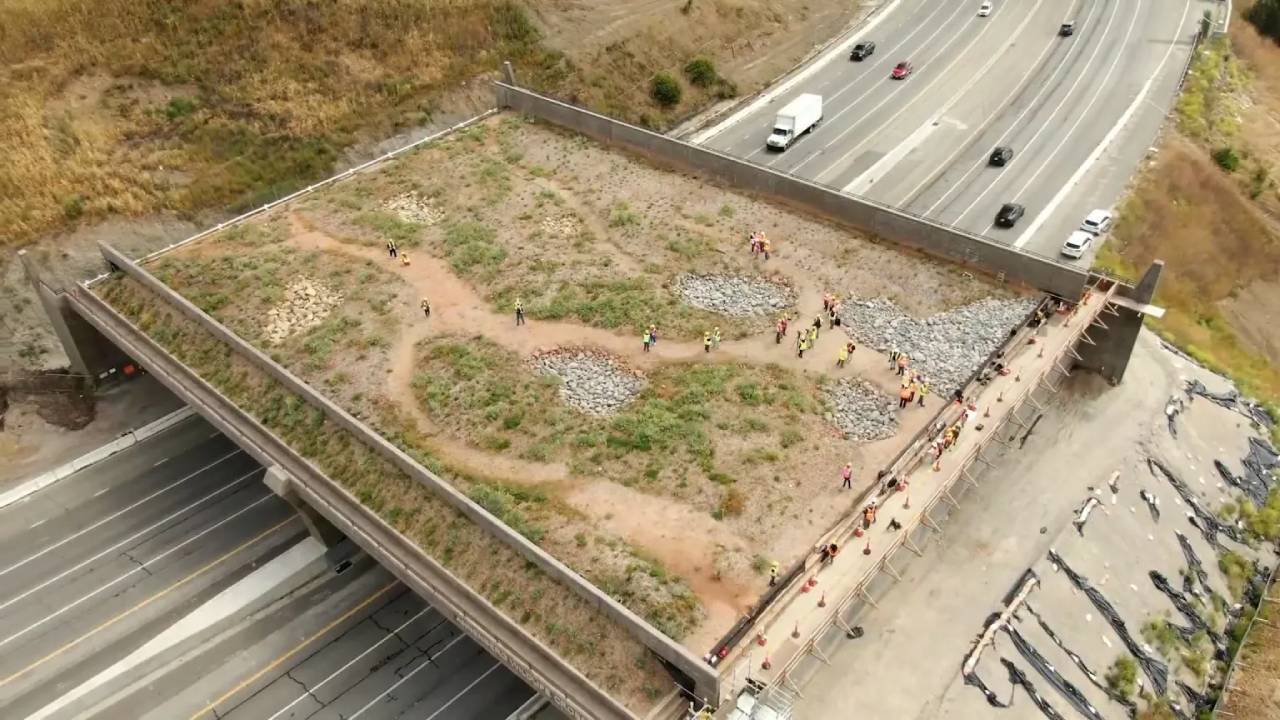
The Mojave Desert landscape is bisected by linear infrastructure that converts vast ecosystems into fragmented ecological islands. On State Route 62 near Joshua Tree National Park, this fragmentation manifests as a high-velocity attrition machine for regional fauna. The recent allocation of over six million dollars in state and regional grants—spearheaded by a 5.5 million dollar injection from the California Wildlife Conservation Board alongside supplemental funds from the Coachella Valley Mountains Conservancy—targets two critical mortality choke points at the Morongo and Yucca grades.
Understanding this initiative requires moving past conservation rhetoric to examine the cost functions, engineering constraints, and biophysical mechanics governing landscape connectivity projects.
The Cost Function of Infrastructure Fragmentation
Road networks impose a dual penalty on arid ecosystems: direct mortality via wildlife-vehicle collisions and long-term genetic isolation. When traffic volume and speed exceed the behavioral threshold of native species, asphalt acts as an impermeable barrier. For apex predators like mountain lions, as well as ungulates like bighorn sheep and mule deer, this barrier prevents the seasonal or dispersal-driven migration necessary to maintain genetic diversity.
The economic and ecological parameters of the State Route 62 intervention are defined by specific structural constraints:
- Capital Allocation vs. Design Phase: The current six million dollar funding package is not earmarked for immediate construction. It is capitalized to take the Morongo and Yucca grade projects to approximately 65 percent design completion. This includes topographical surveying, hydrological analysis, geotechnical engineering, and the mandatory environmental review sequences required under state law.
- The Capital Expenditure Gap: Planning phases typically consume 10 to 15 percent of total infrastructure lifecycle costs. Moving from 65 percent design completion to actual construction requires securing subsequent capital rounds, often dwarfing the initial planning grants.
- **Ecological ROI
Desert Infrastructure Economics The Mojave Wildlife Crossing Mechanism
news, travel
Infrastructure projects funded at scale typically trigger immediate superficial applause regarding total capital allocation without examining whether the architectural intervention matches the biological failure mode. The allocation of over six million dollars toward wildlife crossings along transit corridors in the Mojave Desert near Joshua Tree presents a clean case study in ecological engineering economics. Deploying capital to mitigate habitat fragmentation requires an understanding of how linear infrastructure alters ecosystem dynamics, how animal behavior responds to physical barriers, and how project budgeting scales against mortality reduction targets.
Linear infrastructure introduces spatial division into continuous ecological networks. Highways do not merely restrict movement; they act as selective filters that alter gene flow, demographic stability, and population viability across species boundaries. Large ungulates, desert tortoises, and various apex predators encounter asphalt ribbons that represent absolute physiological or behavioral deterrents. When transit velocity exceeds driver reaction thresholds, vehicle-animal collisions generate negative externalities that impose direct economic costs through property damage, human injury, and mortality. Mitigating these externalities demands structural investments that restore functional connectivity across the transportation corridor.
Habitat fragmentation operates through three primary mechanisms: barrier effects, edge effects, and direct mortality. The barrier effect stems from the reluctance of species to cross wide expanses of open, noisy, and chemically altered substrate. Edge effects transform the microclimate and vegetation structure adjacent to the road, discouraging sensitive species from approaching the corridor. Direct mortality removes breeding adults from the population, skewing demographic ratios and degrading long-term viability.
[Highway Barrier] ---> [Restricted Gene Flow] ---> [Population Isolation] ---> [Reduced Resilience]
Addressing these systemic breakdowns requires structural interventions categorized into underpasses and overpasses. Underpasses utilize existing hydrological culverts or purpose-built tunnels beneath the roadbed, optimized for species that prefer subterranean movement or low-profile navigation, such as reptiles and medium-sized mammals. Overpasses, conversely, require expansive land bridges planted with native vegetation to mimic the surrounding desert terrain, serving wide-ranging species that reject enclosed spaces.
The capital expenditure for these installations involves high upfront fixed costs offset by long-term reductions in environmental degradation and human-wildlife conflict. A six-million-dollar funding envelope provides the baseline liquidity necessary for site selection, geotechnical assessment, ecological monitoring, and physical construction. However, capital deployment efficiency depends heavily on placement optimization. Constructing a crossing structure in a suboptimal location yields near-zero utilization rates, transforming a capital asset into an expensive, non-functional monument.
Site selection relies on empirical data regarding wildlife movement corridors, historical mortality hot spots, and topographic funnels. Analysts map telemetry data against traffic volume metrics to identify intersections where animal transit probability peaks. Without this rigorous spatial alignment, capital expenditure efficiency drops precipitously. The economic return on investment for wildlife crossings is calculated by aggregating averted collision costs, insurance claims, and the marginal value of preserving genetic diversity within isolated populations. When an overpass prevents a collision involving a large animal, the immediate economic savings offset a fraction of the construction cost, while the ecological preservation value accrues over generations.
Project execution must account for the specific behavioral ecology of target desert species. Desert tortoises, for instance, require specialized fencing integrated with underpasses to guide them away from the highway surface and toward safe subterranean pathways. Large mammals require unobstructed sightlines across overpasses to reduce perceived predation risk during transit. If an overpass appears narrow or enclosed, behavioral avoidance behaviors will suppress utilization, rendering the physical investment ineffective regardless of financial scale.
Monitoring and adaptive management form the final structural requirement for evaluating infrastructural interventions. Installing passive infrared cameras, tracking substrate, and genetic sampling protocols allow researchers to measure actual crossing frequency versus pre-construction baseline estimates. This feedback loop identifies whether the capital asset successfully restores functional connectivity or merely creates a localized bottleneck for predators.
Capital allocation for desert wildlife crossings must be evaluated through the lens of asset management and ecological restoration economics. The deployment of funding toward these structures represents a physical correction to an infrastructural design flaw that previously externalized environmental costs onto regional biodiversity.
Prioritize placement optimization using empirical telemetry data and multi-species movement modeling before finalizing any structural engineering designs for desert transit corridors.