Salt spray cakes the windshield of a patrol boat cutting through the dark waters of the Strait of Hormuz. The night is heavy, thick with the humidity of the Persian Gulf and the quiet hum of high-stakes tension. Somewhere out there, beyond the radar blips and the glow of distant cargo ships, the world holds its breath.
War is often imagined as a sudden explosion, a flash of fire that changes everything in a single heartbeat. But sometimes, it looks like patience. It looks like a blockade measured not in days, but in indefinite horizons.
The Weight of the Water
Every morning, millions of barrels of oil begin a journey that defines the global economy. They squeeze through a narrow maritime choke point where the coastline of Iran watches the southern shores with unblinking vigilance.
Pete stood on the deck of a logistics vessel years ago, staring across those exact waters. He remembers the feeling. Not fear, exactly, but a deep, persistent awareness that a single miscalculation could ripple outward, touching gas pumps in Ohio, food prices in Tokyo, and heating bills in London.
"People think a blockade is just about stopping ships," Pete often said, recalling the endless horizon of grey water. "It is actually about stopping time. It is about freezing commerce until someone blinks."
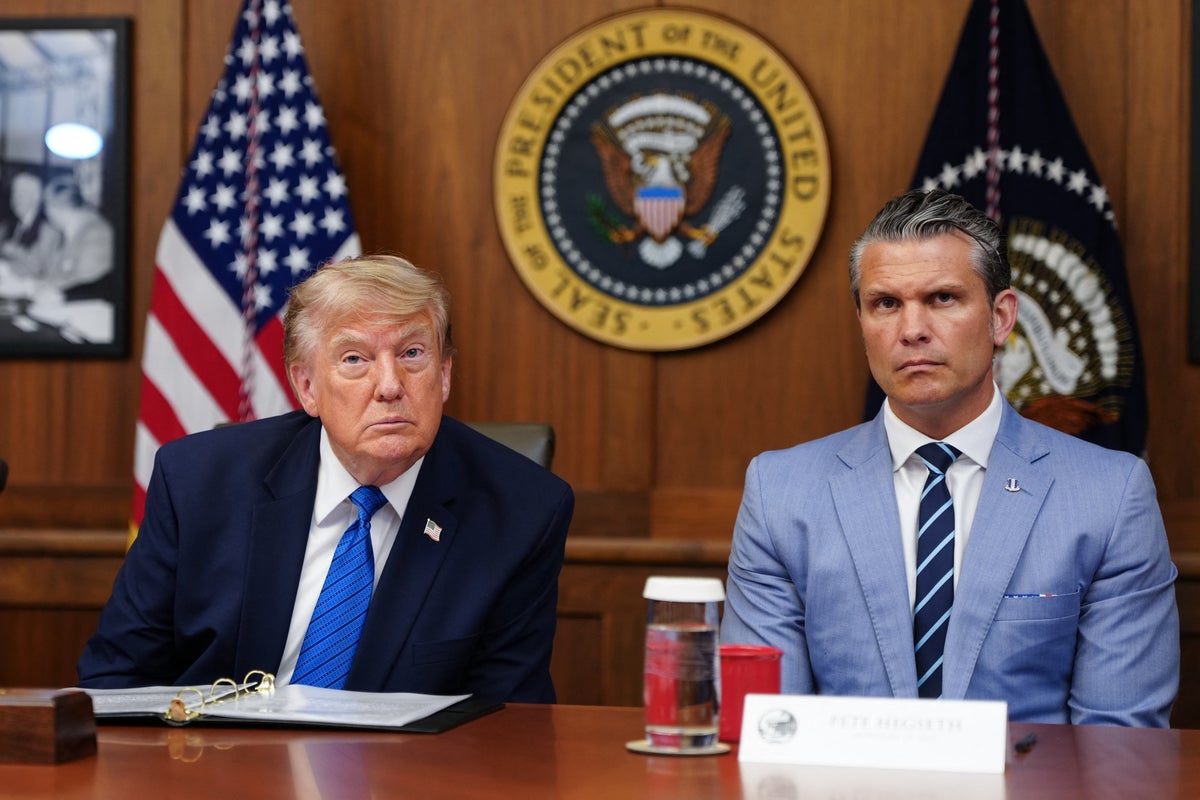
Recently, statements from officials like Pete Hegseth have underscored a stark reality: the United States maintains the capability to sustain a naval blockade indefinitely. Tehran, meanwhile, vows to prolong the conflict, digging in its heels against mounting economic and military pressure. Two immovable forces, locked in a contest of endurance.
The Invisible Engine of Modern Life
It is easy to look at geopolitical headlines as abstract theatre. Maps with arrows, names of officials, numbers of vessels. But the human element rests on the shores.
Consider a fisherman in a small wooden hull near the southern mouth of the Gulf. He does not care about the grand strategies of Washington or the defiant declarations of Tehran. He cares about the diesel prices for his engine. He cares about whether the grey hulls of warships cutting through his traditional fishing grounds will scatter the catch.
When a superpower declares it can maintain a naval blockade indefinitely, it is not just sending a message to a government. It is sending a tremor through the daily lives of millions who depend on the uninterrupted flow of the sea.
The Arithmetic of Endurance
Why indefinite? Because modern military logistics are built on a scale that defies easy comprehension. Supply chains stretch across oceans, tethered by floating fortresses, refueling tankers, and airborne eyes that never sleep.
Think of it like a marathon runner who has trained so thoroughly that the sprint never ends. The United States Navy does not just show up; it establishes an ecosystem at sea. Desalination plants, floating repair docks, and rotation schedules allow crews to swap out while the iron wall remains unbroken.
Yet, endurance is a two-way street.
Tehran’s vow to prolong the conflict is rooted in a different kind of strength—the resilience born of decades of isolation and economic pressure. When a nation has already spent generations adapting to sanctions, the threat of a prolonged standoff loses some of its terrifying edge. It becomes a test of cultural grit. Who gets tired first? The nation thousands of miles away paying higher prices at the pump, or the nation standing right on the coastline watching the horizon?
The Cost of Waiting
History teaches us that prolonged standoffs rarely end with a dramatic bang. They erode. They wear down economies, strain alliances, and test the psychological limits of the people caught in the middle.
The danger is not just a sudden clash of steel. The danger is the slow creep of normalcy around an abnormal situation. Prices adjust. Markets adapt. People find new ways to live with the shadow of a blockade hanging over their heads.
And that is the quiet tragedy of it. The longer a stalemate lasts, the more permanent it feels.
Standing on that deck, watching the sun break over the Persian Gulf, the water looks impossibly blue, calm, and indifferent to the human drama playing out across its surface. The ships move like chess pieces on an infinite board, waiting for a move that may never come, or one that changes everything too late.