Elena stares at the olive oil bottle. It is a simple glass vessel, half-empty, catching the amber light of a Tuesday afternoon in a suburban kitchen. Last month, this liquid gold cost seven dollars. Today, the shelf tag at the corner grocery store mocked her with a price of twelve. It isn't just the oil. It’s the bread. It’s the heat clicking on in the hallway. It’s the invisible thief reaching into her purse while she sleeps.
Statistics call this a "three-year high." Economists use words like "consumer price index" and "inflationary pressure." But for Elena, and millions like her, it isn't a graph. It is a choice between the good detergent and the cheap stuff that leaves the clothes smelling like wet chalk.
The engine driving this theft is idling thousands of miles away in the heat of the Middle East. As the conflict with Iran escalates, the world’s most vital arteries are constricting. We like to think of our lives as independent, local, and contained. We are wrong. We are all tethered to the Strait of Hormuz by a thousand invisible threads of crude oil and shipping containers. When a tanker slows down in the Persian Gulf, a furnace shuts off in Ohio.
The Ghost in the Machine
Money is a promise. It’s a collective agreement that a piece of paper or a digital digit represents a specific amount of human effort and resources. When war enters the equation, that promise begins to fray.
Think of the global economy as a massive, intricate clock. Every gear represents a country, a resource, or a trade route. For decades, we’ve enjoyed a clock that ticked with boring, predictable precision. Now, someone has shoved a crowbar into the gears.
As Iran’s military posture shifts and the drumbeats of war grow louder, the price of oil doesn't just rise—it panics. Oil is the blood of the modern world. It moves the trucks that bring Elena’s spinach from California. It creates the plastic for the medicine bottles on her nightstand. It fuels the planes that keep global commerce from seizing up. When the base cost of energy spikes, every single person down the line pays the "war tax," whether they have a stake in the conflict or not.
The math is brutal. Current projections suggest we are hitting levels of inflation not seen since the post-pandemic shock. But this time, the cause isn't a lack of workers or a surge in demand. It is the cost of risk. Insurance companies are charging more to protect ships. Shipping companies are taking the long way around to avoid missile corridors. Every extra mile, every extra hour of transit, is billed directly to your breakfast table.
The Psychology of the Squeeze
There is a specific kind of exhaustion that comes with watching prices climb. It starts as a joke—"Remember when eggs were two dollars?"—and ends as a low-grade, constant anxiety. This is the human cost of a three-year inflationary high.
Consider a hypothetical small business owner named Marcus. He runs a modest transport company. For Marcus, the war in Iran is a spreadsheet of pain. His fuel surcharges are eating his margins. He wants to give his drivers a raise because he knows they are struggling to pay rent, but if he raises his prices any further, his clients will walk away. He is caught in a vice.
Marcus stays up until 2:00 AM looking at diesel futures. He isn't a geopolitical analyst, but he has become an expert on the geography of the Middle East out of sheer necessity. He knows that if the conflict widens, his business might not survive the winter. This isn't "market volatility." This is his life’s work dissolving in real-time.
The ripple effect is psychological. When people see the numbers at the pump climbing toward record territory, they stop spending on the "extras." The local theater sees fewer patrons. The neighborhood bistro has more empty tables. The economy doesn't just slow down; it withdraws into itself, like a turtle pulling into its shell.
The Myth of the Quick Fix
We often look to central banks to save us. We wait for interest rate adjustments like they are magic spells. But the Federal Reserve cannot manufacture peace. It cannot reopen a shipping lane with a press release.
Interest rates are a blunt instrument. They work by making it more expensive to borrow, effectively cooling the economy to stop prices from runaway growth. But when inflation is driven by war and energy shortages, raising rates is like trying to put out a fire by removing the oxygen from the room—sure, the fire goes out, but everyone inside is gasping for air.
The reality is that we are witnessing the end of "cheap everything." For years, we lived in a bubble of low-cost energy and frictionless trade. That bubble hasn't just popped; it’s being incinerated.
The conflict with Iran has exposed the fragility of our "just-in-time" world. We built a system that prioritizes efficiency over resilience. We assumed the oil would always flow, the ships would always dock, and the prices would always remain stable. We were arrogant.
The Hidden Stakes
Beneath the talk of barrels and benchmarks lies a deeper, more unsettling truth. Inflation is a Great Leveler, but it levels downward. It hits the person with the least amount of "buffer" the hardest.
For the wealthy, a 10% increase in the cost of living is an annoyance—a reason to complain at a cocktail party. For the working class, it is a catastrophe. It is the difference between a child joining the soccer team or staying home. It is the reason why a senior citizen skips a dose of medication to afford a gallon of milk.
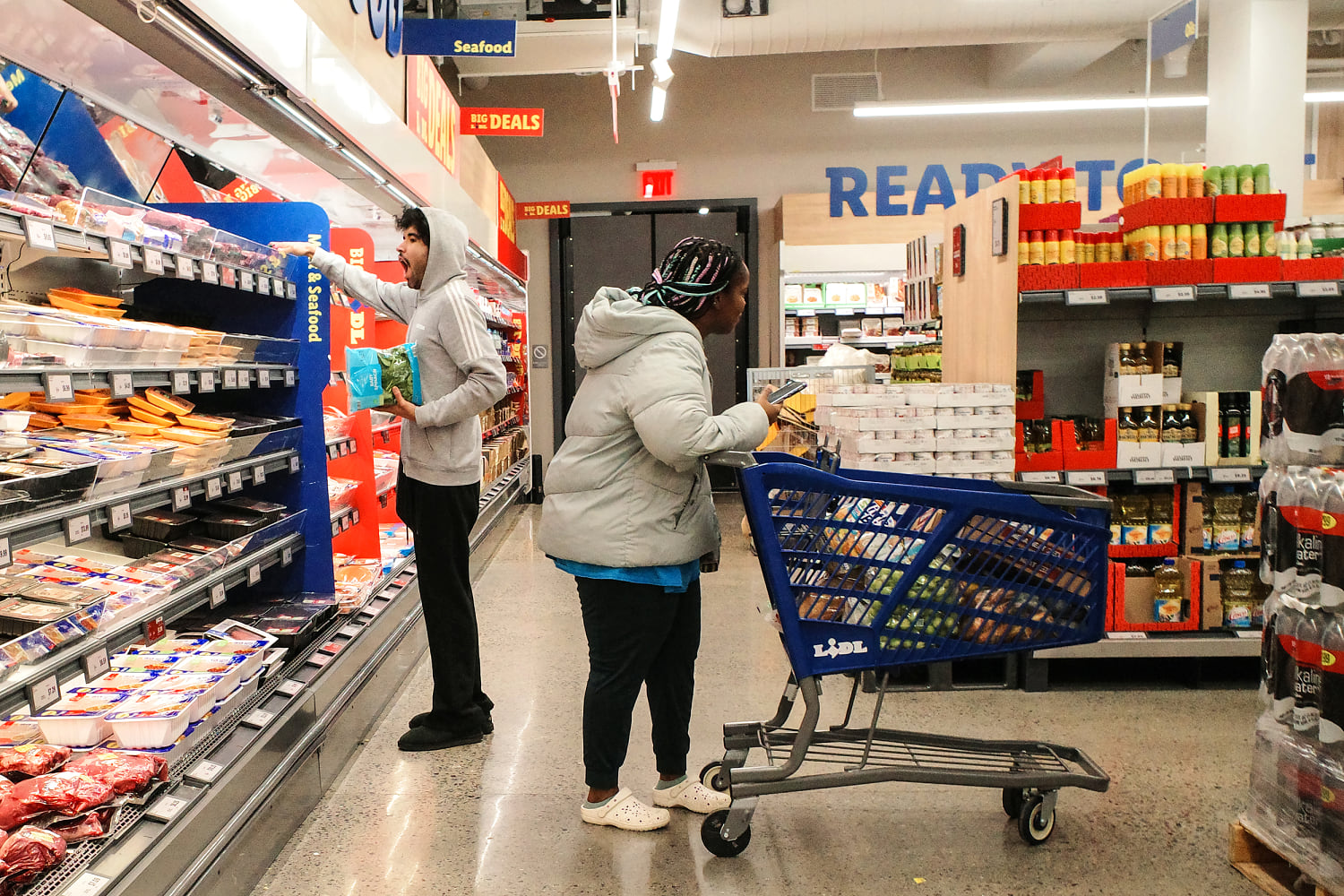
This is the "invisible stake" of the Iran conflict. While the headlines focus on drone strikes and diplomatic stalemates, the real battle is being fought in the aisles of discount grocery stores. Every cent added to the price of a gallon of gas is a withdrawal from the collective well-being of the population.
We are told to watch the news for the next escalation. We are told to wait for the latest report from the Bureau of Labor Statistics. But the real story is already written in the tightened jaws of parents at the checkout line.
The Long Road Back
Restoring stability isn't as simple as signing a treaty. Even if the drums of war silenced tomorrow, the "inflationary memory" of the market lingers. Supply chains take months to recalibrate. Confidence takes years to rebuild.
We are entering a period of forced adaptation. We are learning to live with less, to find substitutes, to trim the fat from lives that were already lean. There is a quiet resilience in this, a grim determination to keep the lights on and the family fed.
Elena eventually puts the twelve-dollar olive oil back on the shelf. She chooses a smaller bottle, a lower grade. She walks to her car, noting the price on the marquee across the street has ticked up another three cents since she drove in. She doesn't curse. She doesn't cry. She just grips the steering wheel a little tighter and starts the engine, wondering how much longer the road ahead will be.
The amber light in her kitchen will still be there when she gets home, but the room will feel a little colder, the shadows a little longer, as the world outside continues to burn through the remains of a stability we all took for granted.