The map in the conference room is wrong. It has been wrong for nearly eighty years.
If you trace the borders drawn in the aftermath of a war your grandparents barely remember, you notice an old bias. The ink favors the victors of 1945. It carves the planet into permanent arbiters of fate and permanent petitioners. Step into the United Nations Security Council chamber in New York, and the architecture tells the story before a single diplomat speaks. Five nations hold the heavy oak gavels and the absolute veto. They sit beneath high ceilings, casting shadows over an entire hemisphere that watched history happen from the balcony.
Imagine walking those carpeted hallways as a delegate from a nation of a billion souls. Your economy hums with digital architecture, your rockets touch the dark side of the moon, your youth build the software running the modern world. Yet, when the doors close to decide whether a famine, a war, or a pandemic demands intervention, you look for your nameplate. You look for a seat that fits your weight in the human story.
It is empty. Or worse, you are invited only to speak, never to vote.
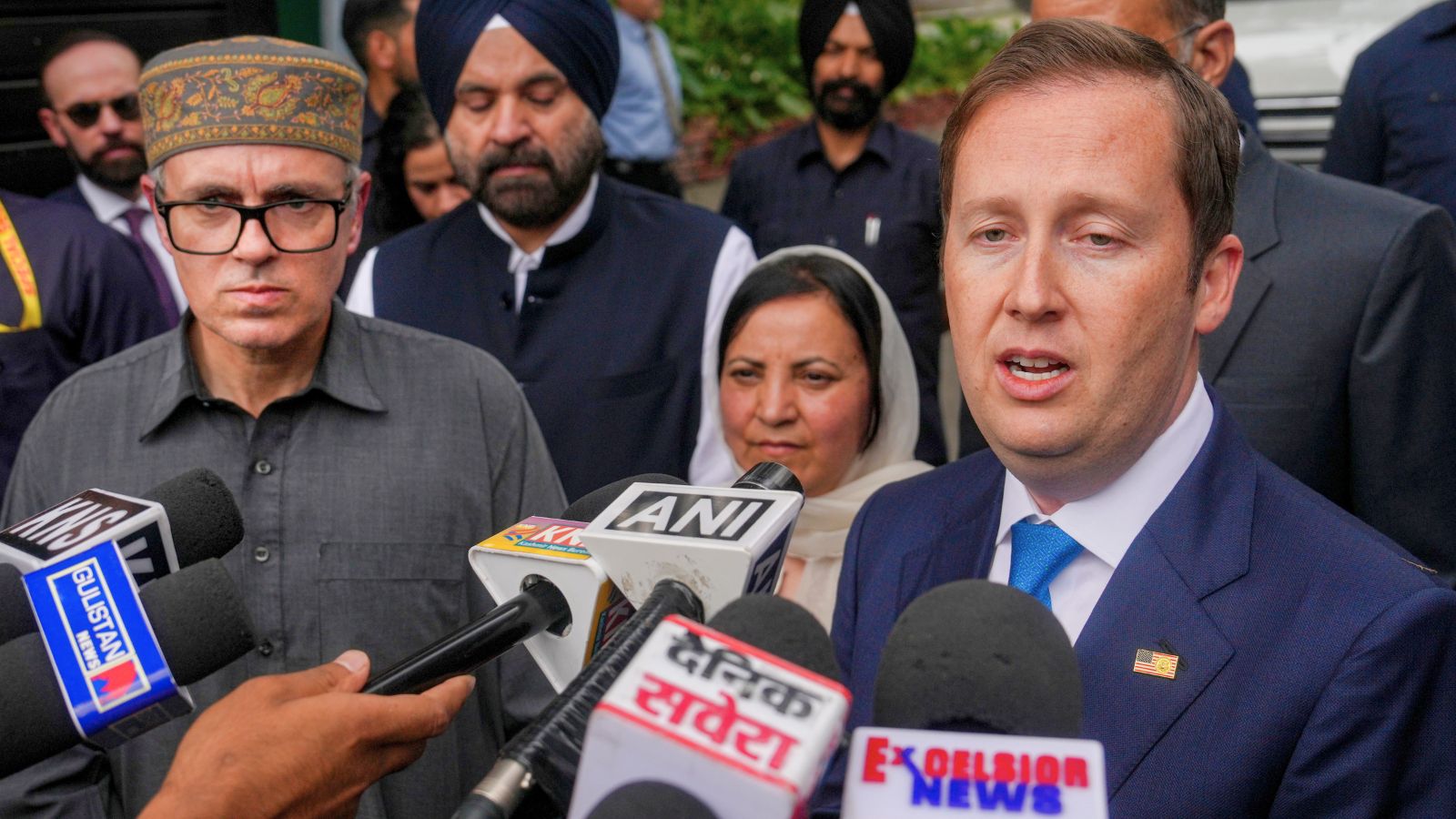
This absurdity sits at the heart of modern geopolitics. India recently stepped up to the podium at the United Nations General Assembly to name this quiet violence. Not with diplomatic whispers, but with a blunt demand for urgent United Nations Security Council reform. The architecture is broken. The world has outgrown the room.
To understand why this matters to someone living thousands of miles away from New York, you have to look at how power actually moves in the twenty-first century.
Consider a hypothetical village in the Global South, perhaps along a drought-strained riverbank where farmers check their smartphones for monsoon forecasts that no longer arrive on schedule. When climate shocks hit, or when global supply chains snap, the decisions made behind closed doors in Manhattan ripple directly into their soil. Yet, the governments representing those billions of voices possess zero institutional leverage over the veto-wielding elite. Decisions affecting the survival of the Global South are routinely mediated by powers whose historical gaze remains stubbornly turned toward Europe and North America.
This is not merely a bureaucratic grievance. It is a credibility crisis.
When an institution designed to prevent global conflict stands paralyzed because two or three permanent members disagree on a regional crisis, the institution dies a slow death of irrelevance. We saw it during the League of Nations. We are watching it happen in slow motion today. A security council that represents the geopolitical reality of 1945 is as useful as a map drawn on animal skin.
India's push for greater representation is not about vanity. It is about math and justice.
Look at the numbers. Africa, Latin America, and vast swaths of Asia carry the demographic momentum of the planet. By almost any metric—population, economic output, peacekeeping troop contributions—the current composition of the Security Council is an anachronism. It is a private club that refuses to update its membership list while the neighborhood outside transforms completely.
When diplomats debate this reform, the resistance is rarely stated out loud. It whispers in the corridors. The current holders of the veto like their monopoly. Sharing power feels like losing it, even when the alternative is losing legitimacy altogether. They worry about efficiency. They argue that expanding the table will slow down decisions.
That argument collapses under the weight of recent history. Exclusive clubs do not make faster decisions; they make insular ones. They make mistakes born of blind spots.
When a crisis erupts in the developing world, the countries closest to the ground understand the texture of the conflict better than anyone else. They know the local histories, the ethnic friction, the economic pressures. Locking them out of the permanent decision-making apparatus guarantees policy failures.
The reform movement led by India and its partners insists on a simple truth. Governance without representation is just management of the managed.
Change will not arrive because the privileged decide to share their toys. It will arrive because the weight of reality finally cracks the old foundation. Every missed resolution, every humanitarian catastrophe left unaddressed due to cynical vetoes, adds another fracture to the wall.
The room must change. The doors must open.
Until they do, the map remains wrong, the chair remains empty, and the world waits for an architecture worthy of the people who actually live in it.