Sarah looked at her phone, hovering her thumb over the send button. On the other side of the digital marketplace was a stranger named Mike, who wanted to buy her old coffee table. He was polite enough. But to coordinate the pickup, he asked for her WhatsApp.
She hesitated.
To give Mike her WhatsApp meant giving him eleven digits. Those eleven digits form her phone number. It sounds like a small concession, a routine exchange in our hyper-connected daily lives. But a phone number is no longer just a string of digits to route a voice call. It is a master key. It is tied to Sarah’s bank accounts, her two-factor authentication codes, her food delivery apps, and her medical portals. With just those eleven digits, an amateur internet sleuth could find her home address, her voter registration, and the names of her family members within ten minutes.
She shared it anyway. The coffee table needed to go.
For over a decade, this has been the hidden tax of digital convenience. To communicate privately on the world’s most popular messaging app, we had to trade a piece of our foundational identity. We had to trust acquaintances, marketplace buyers, casual dates, and work freelancers with a direct line to our pockets.
That compromise is finally dissolving.
The Anatomy of an Identity Shift
The introduction of unique usernames on WhatsApp marks a profound shift in how we manage our digital boundaries. For years, the platform operated like an old-school rolodex; if you didn't have the phone number, the door was shut. Now, the platform is adopting a model closer to modern social communication, decoupling your account from your physical SIM card.
Consider how it functions beneath the surface.
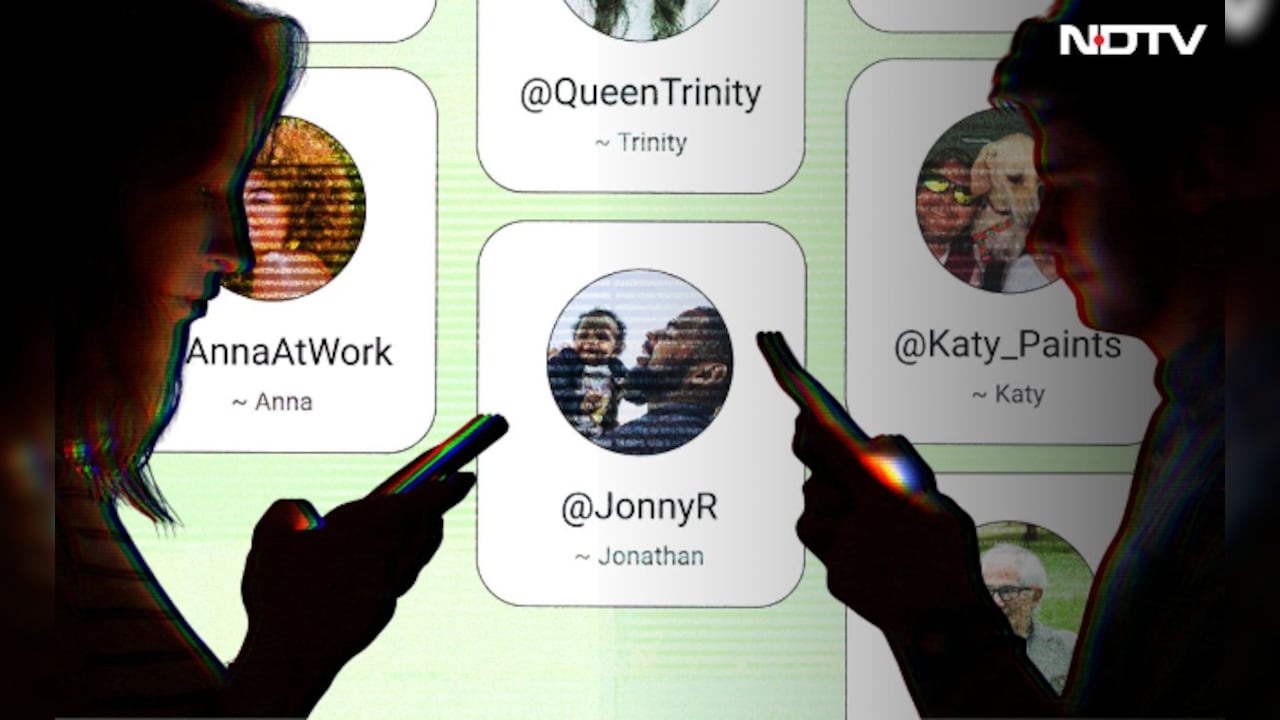
When you create a username, it acts as a frontend mask. Let's look at a hypothetical scenario to understand the mechanism. Sarah can now choose a handle, perhaps something simple like @SarahWrites. When she meets Mike to sell the coffee table, she provides that handle. Mike types it into his search bar, hits message, and a secure chat opens.
The mechanics are straightforward, but the engineering choice is deliberate.
- The Number Stays Hidden: The person receiving your username cannot see your phone number. Your profile remains an island.
- Unique Sovereignty: Each username is entirely unique. Once you claim a handle, it belongs to you until you change it.
- The Existing Circle Stays Intact: Your friends, family, and colleagues who already have your phone number won't notice a difference. Your chats with them remain unchanged.
This is not just a cosmetic update. It fundamentally rewires the power dynamic of digital messaging. You are no longer giving away a permanent token of your identity just to have a temporary conversation.
The Hidden Vulnerability of the Numeric Age
To understand why this shift matters so deeply, we have to look at how the phone number became compromised in the first place.
Decades ago, your phone number was printed in a massive white book and dropped on everyone's doorstep. Privacy meant unlisting your name. But as the internet grew, tech platforms needed a quick, universal way to verify that a user was a real human being and not a malicious bot. The phone number became the easiest shortcut.
Every time you signed up for a ride-sharing app, a loyalty program at a grocery store, or a fitness tracker, you handed over that number. Databases leaked. Data brokers scraped public records. Suddenly, that simple numeric string became a tracking pixel for your physical life.
Think about the vulnerability this created. If an aggressive acquaintance gets your username on a traditional social platform, you can block them. They lose access. If they get your phone number, blocking them on one app does not stop them from calling your actual phone line, texting you from a burner number, or finding your LinkedIn profile.
The phone number is sticky. It resists erasure. By introducing a layer of usernames, the platform creates a buffer zone. It allows you to invite someone into your chat history without inviting them into your life.
How the Transition Alters Daily Rituals
The practical implications ripple through dozens of ordinary scenarios.
Imagine a university student entering a massive lecture hall of three hundred people on the first day of the semester. Someone creates a massive group chat to share lecture notes and study guides. In the old system, joining that group meant exposing your phone number to hundreds of peers you have never spoken to. It opened the door to unsolicited messages, digital stalking, or simple discomfort.
With usernames, that student can join the community with total peace of mind. They can participate, debate, and collaborate, while keeping their private contact details locked behind their own consent.
But the system also introduces new questions and frictions.
How do we verify that the person we are messaging is actually who they claim to be? If anyone can register a username, impersonation becomes a risk. Bad actors could easily register handles that mimic trusted brands, local businesses, or even acquaintances, attempting to fish for information.
The platform addresses this by preserving the core architecture of its security: end-to-end encryption. The underlying technology that scrambles your messages so only you and the recipient can read them remains completely untouched by your choice of display name. The code does not care if it is routing a message to an eleven-digit number or an alphanumeric handle; the mathematical locks remain just as tight.
The Friction of Choice
We must acknowledge that this change will feel messy at first.
There will be a frantic scramble for digital real estate. Millions of users will rush to claim their first names, their business names, and short handles. The trade-off for anonymity is often clarity. When everyone uses a handle, we lose the simple certainty of knowing exactly who is on the other end of the line based on a verified country code and prefix.
We will have to learn new habits. We will have to check profiles more carefully. We will have to get used to asking people for their handle rather than their digits.
But this minor friction is a small price to pay for reclaiming ownership over our personal boundaries. For a long time, the internet forced us into an all-or-nothing approach to connection. We were told that to be accessible, we had to be exposed.
Consider what happens next as this feature rolls out globally. The next time Sarah lists an item online, or meets a colleague at a crowded conference, or wants to check in with a local contractor, she will not hesitate. She will type out a few letters, hit send, and keep her private life exactly where it belongs. Private.