The rain in Los Angeles does not fall so much as it lingers, turning the asphalt into a mirror of gray skies and making every stray shadow look a little heavier than it actually is.
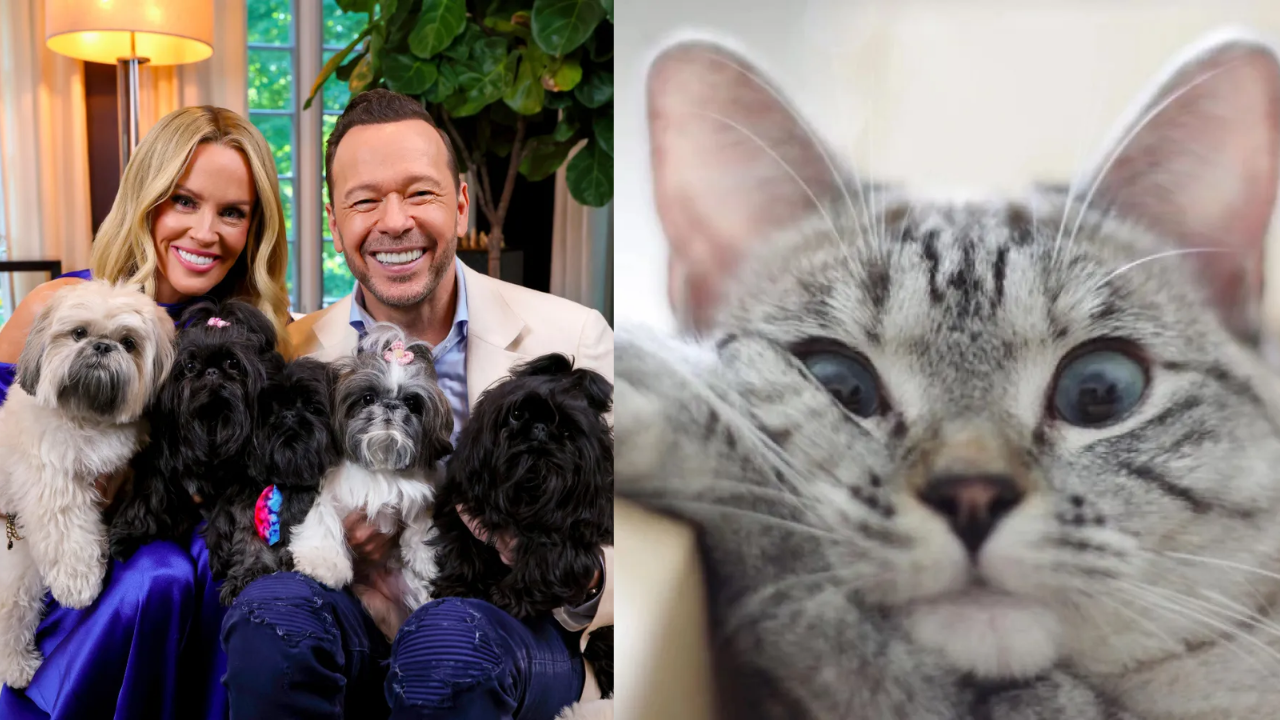
On a Tuesday afternoon that smelled of wet eucalyptus and diesel, Jenny McCarthy stood at the edge of twenty-five acres of churned earth in Southern California. There were no television cameras rolling in that exact moment. No red carpet. Just the heavy thud of a golden retriever’s tail beating against a wooden crate and the sharp, familiar scent of cedar shavings, damp fur, and unconditional hope.
Most people see a celebrity at a charity event and assume it is a transaction. A flashbulb, a polite smile, a check signed with an expensive pen, and everyone goes home to dry martinis. But sometimes, behind the gloss of a publicist's press release, something much more stubborn takes root.
Consider what happens when an animal shelter reaches its absolute breaking point.
The cages are stacked three high. The volunteers are running on cold coffee and sheer stubbornness. Every morning brings a new wave of abandoned grief—dogs left tied to gates, cats dumped in cardboard boxes, creatures whose only crime was outliving a lease or an owner's patience.
Eight million dollars does not drop from the sky like rain. It is built. Brick by stubborn brick. Dollar by hard-fought dollar.
Jenny McCarthy didn't just show up to co-host a pet contest. She walked the perimeter of what would soon become a sprawling sanctuary—a twenty-five-acre haven designed to give broken animals something they haven't felt in a very long time: space. Real, unhurried, grass-between-your-toes space.
Think about what a cage represents to a dog. It is four concrete walls, a wire door that opens only when someone is cleaning, and the endless, maddening echo of barking panic. Time moves differently in a shelter. Minutes stretch into weeks. Weeks blur into months of waiting.
When you scale that up to accommodate hundreds of displaced animals, the logistics become staggering. You need veterinary clinics. You need isolation wards for the sick. You need endless tons of kibble, specialized medication, behavioralists who speak dog better than most humans speak English, and above all, room to run.
Twenty-five acres is a lot of earth.
It is enough room for a frightened pit bull to learn that a sudden movement isn't a threat. It is enough room for an old hound with clouded eyes to lie in the sun without stepping on another dog's tail. It is a physical manifestation of a promise: you matter here.
The pet contest itself was loud, chaotic, and wonderfully messy. Dogs in oversized bowties. Chihuahuas shivering in miniature tuxedos. Mutts with ears that pointed in four different directions simultaneously, competing not for pedigree, but for the sheer joy of being looked at with affection. Laughter cut through the chill in the air. For a few hours, the crushing weight of the rescue world lifted, replaced by the simple magic of animals doing what they do best: reminding us how to be human.
When the final tally was announced—eight million dollars raised for the expansion and modernization of the sanctuary—the applause wasn't polite. It was the kind of roar that rattles your ribs.
Because everyone in that crowd knew the math.
Eight million dollars doesn't just buy chain-link fencing and concrete pours. It buys second chances. It buys the quiet night when a veterinarian manages to save a litter of kittens abandoned in a dumpster. It buys the afternoon when a skittish rescue dog finally wags its tail, initiates eye contact, and takes a treat from a stranger's trembling hand.
We live in a culture that often measures success in quarters, in quarterly earnings, in viral metrics and fleeting digital applause. We measure value in things that can be bought, sold, and upgraded every twelve months.
Yet true value looks remarkably like mud on a pair of designer boots.
It looks like twenty-five acres of California dirt turning into a sanctuary for the forgotten. It looks like a room full of people deciding that, for one evening, the most important thing in the world is the welfare of a creature that cannot speak for itself.
The sun broke through the clouds just as the sun dipped low over the hills, casting long, amber shadows across the unfinished fields. The heavy equipment sat silent for the night, its metal arms resting against the dusk.
Tomorrow, the bulldozers would start up again. The fences would go higher. The pens would go wider. And somewhere out there, a dog that doesn't even know it's saved yet is waiting for its turn to run across twenty-five acres of green.