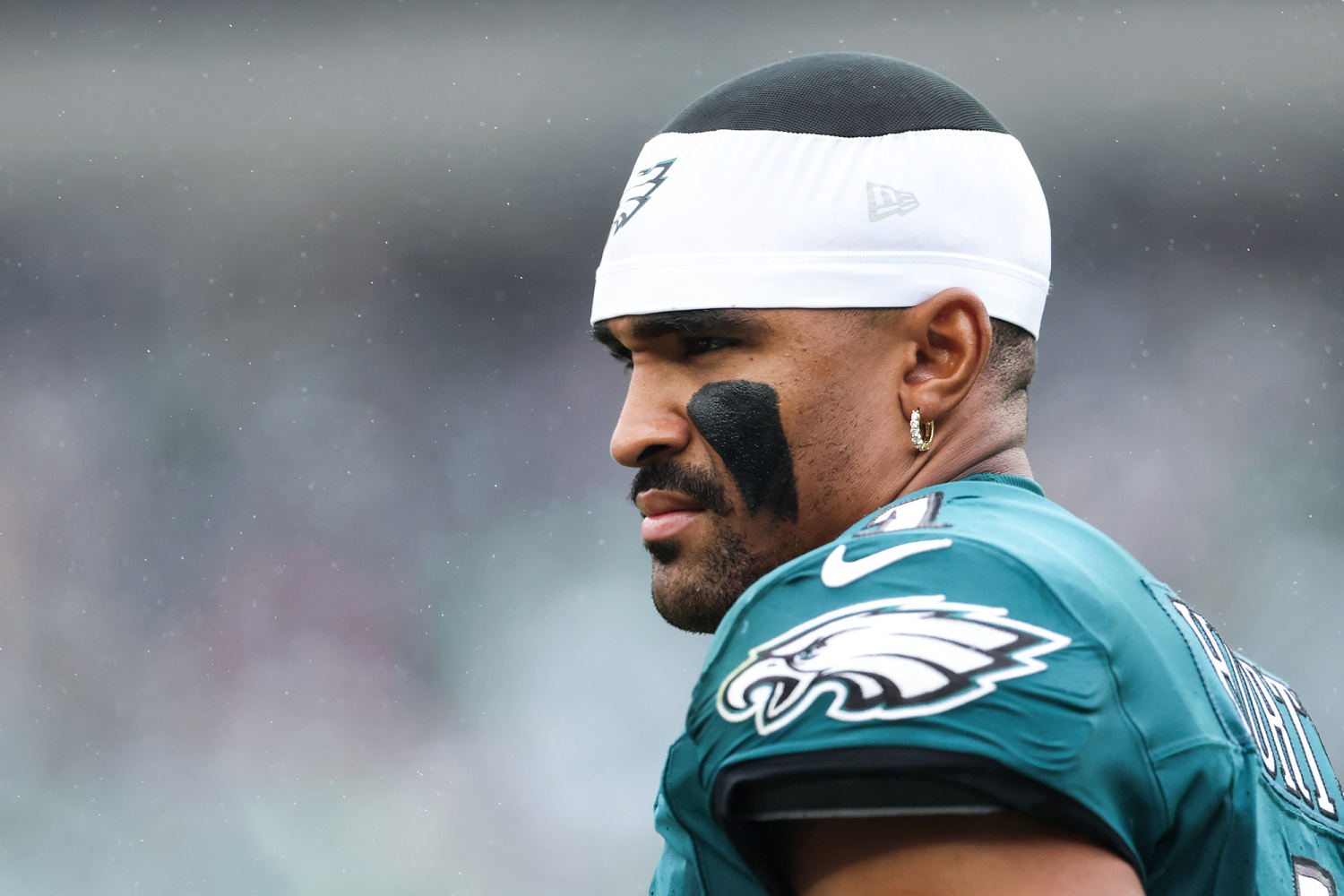
High-performance professional sports operate under an unforgiving psychological cost function. Athletes are subjected to intense scrutiny, hyper-quantified performance metrics, and volatile public sentiment. Within this ecosystem, public relations have traditionally favored an armor of stoicism. Players protect their market value by suppressing internal friction. When Everton striker Thierno Barry delayed publishing a self-recorded training video depicting an episode of acute emotional distress for three weeks, he exposed the friction between raw human response and the sanitized corporate facade of modern football.
Evaluating this event requires moving past superficial narratives of mental health awareness. Instead, it demands an examination of athlete branding, psychological load management, and the commercial mechanics of modern narrative control.
The Attention Economy of the Modern Professional Athlete
Traditional sports media operates through institutional intermediaries. Clubs, broadcast partners, and authorized journalists dictate the narrative arc of a player's career. This structural bottleneck creates an asymmetric information problem. Fans and clubs observe output—goals scored, defensive actions completed, tactical instructions executed—while the underlying cognitive load remains opaque.
When a player bypasses institutional intermediaries through self-directed media production, they alter the distribution channel. Barry's documentary-style video content shifts the distribution of his public persona from corporate management to direct-to-consumer engagement.
However, this transition introduces operational risk. The modern sports market punishes perceived weakness. For a striker operating under heavy scrutiny following a high-profile transfer—transitioning from Villarreal to Everton—displaying vulnerability carries tangible risks to contract leverage, fan confidence, and internal squad dynamics. The three-week hesitation period preceding the release of Barry's training video reflects a risk-mitigation calculation. The athlete must weigh the immediate emotional cost of exposure against the long-term utility of authenticity.
The Mechanics of Controlled Vulnerability
In contemporary sports marketing, authenticity is a scarce asset. When every quote in a post-match flash interview is filtered through media training, audiences develop cynicism toward institutional messaging. Raw, unfiltered documentation breaks this equilibrium.
The strategic deployment of vulnerability operates on specific behavioral economics principles:
- Asymmetric Trust Generation: By exposing failure points, frustration, and doubt, the athlete disarms the adversarial relationship between player and supporter. This reduction in friction fosters heightened loyalty that survives dips in athletic performance.
- Narrative Pre-emption: Controlling the release of negative sentiment prevents external media outlets from defining a slump purely through external speculation. By owning the narrative of struggle, the player anchors public perception in resilience rather than incompetence.
- Humanization of Capital: Elite footballers are frequently treated by fans and fantasy sports participants as appreciating or depreciating assets. Transparency regarding the psychological toll of underperformance re-establishes the human element, shifting the evaluation framework from strict output optimization to developmental progression.
The Performance Cost Function
The primary objection to athletes engaging in personal media creation is distraction from core competencies. High-level athletic output requires singular focus. Every hour spent editing behind-the-scenes documentaries or managing public perception is an hour diverted from tactical analysis, physical recovery, or technical refinement.
Yet, this friction point is often misunderstood. For many young professionals, creative outlets serve as cognitive decompression mechanisms. The pressure valve of professional football requires active management. If self-expression through digital media aids psychological regulation, the net impact on athletic performance may be positive, provided time-allocation thresholds remain disciplined.
Barry’s subsequent on-field output—climbing the scoring charts and establishing a vital role within the squad—demonstrates that emotional transparency does not inherently correlate with professional decline. Instead, it highlights a structural shift: the modern athlete functions as a media entity. Managing personal brand equity is no longer separate from athletic survival; it is deeply intertwined with it.
Strategic Integration for Elite Competitors
For sports organizations and individual athletes navigating the intersection of digital media and high-stakes performance, narrative control requires a shift from damage control to proactive architecture.
Athletes must establish clear boundaries between performance preparation and media production. Vulnerability must remain an instrument of genuine connection rather than a calculated corporate gimmick, as audiences quickly calibrate to manufactured emotion. Organizations should support players in managing their digital footprint, recognizing that suppressing human reactions in favor of uniform stoicism increases the risk of acute burnout.
The future of athlete branding belongs to those who successfully reconcile high athletic output with structural transparency. Suppressing the human cost of elite competition is no longer sustainable in a media landscape that rewards radical directness. The competitive advantage lies in utilizing authenticity not as a liability, but as a framework for sustained resilience.