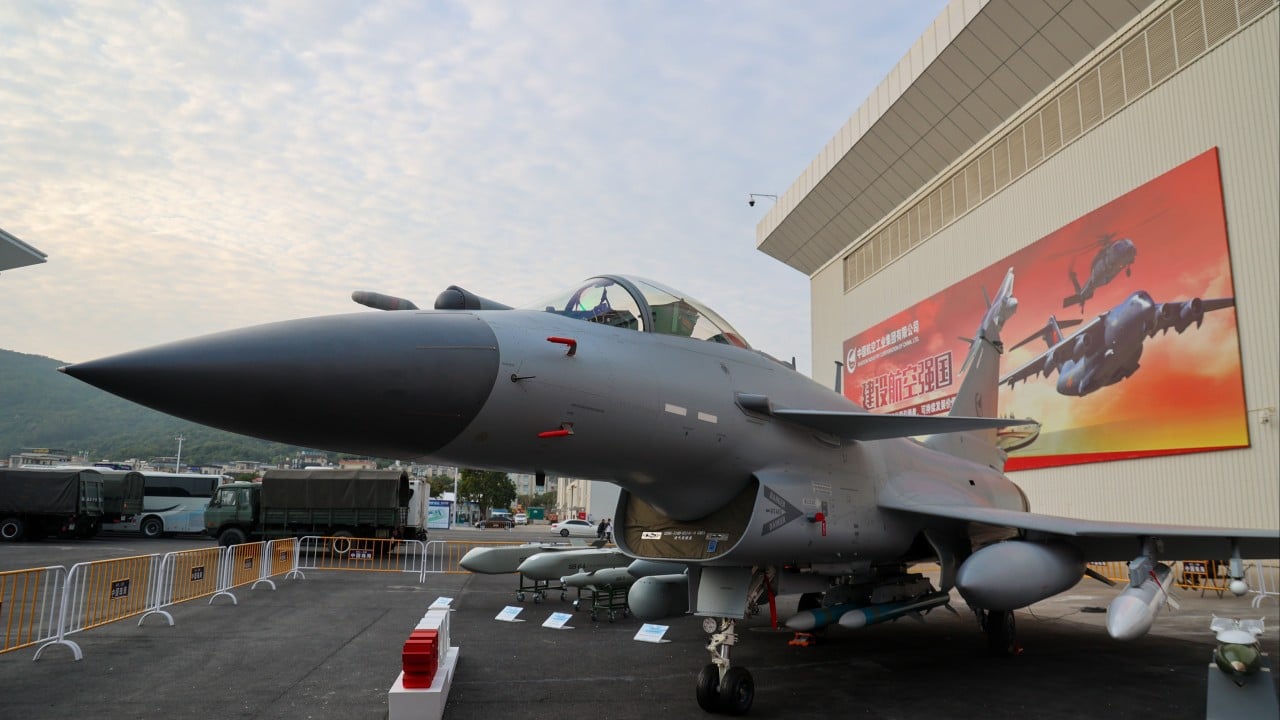
State military procurement in South Asia is frequently filtered through geopolitical theater, yet the structural mechanics driving acquisitions are rooted strictly in fiscal constraints, life-cycle costs, and fleet obsolescence. The draft agreement between Dhaka and Beijing for twenty Chengdu J 10CE multirole combat aircraft, valued at a total package cost of approximately $2.3 billion, illustrates how secondary regional powers navigate modern defense economics. Beyond political messaging and contested combat narratives from past border skirmishes, this transaction exposes the financial and logistical equations that dictate fourth-generation fighter acquisitions when Western alternatives are structurally out of reach.
The Total Cost Function of Fighter Fleet Modernization
A common analytical error in defense journalism is conflating the baseline unit sticker price of an aircraft with its actual integration cost. The base airframe cost of the J 10CE sits near $62.7 million, but multiplying that figure by twenty yields a deceptive estimate. Transitioning an air force from legacy platforms—specifically the aging Chengdu J 7 inventory that forms the numerical backbone of the Bangladesh Air Force—requires a complete overhaul of maintenance, training, and logistical infrastructure.
The total package valuation of $2.302 billion translates to an effective unit cost approaching $115 million per aircraft. This delta is accounted for by structural variables that govern military aviation economics:
- Logistical and Technical Support: Allocations exceeding $880 million are dedicated to ground-support equipment, maintenance trainers, technical manuals, and initial spare parts provisioning.
- Armament and Stores: Integration of modern beyond-visual-range air-to-air missiles, precision-guided munitions, and specialized external fuel configurations.
- Infrastructure and Compliance: Expenditures covering structural modifications to hangars, flight-line construction, insurance, and administrative VAT.
For an air force building an entirely new operational ecosystem from scratch, buying the jets is merely the initial capital expenditure. The ten-year payment structure running through the mid-2030s reflects the reality of national debt servicing limits for emerging economies.
Strategic Constraints and Operational Capabilities
The tactical utility of the J 10CE rests on its classification as a single-engine, medium-weight 4.5-generation multirole fighter equipped with an Active Electronically Scanned Array (AESA) radar and compatibility with advanced long-range missiles such as the PL 15. For Dhaka, acquiring this platform addresses a widening capability gap against regional adversaries operating advanced western or indigenous hardware.
However, introducing a high-performance 4.5-generation platform into a force accustomed to second-generation delta-wing simplicity creates structural bottlenecks. Pilot transition pipelines, flight hour costs, and digital avionics maintenance require institutional transformations that take years to mature. Furthermore, splitting the twenty aircraft into front-line service units versus training and attrition reserves dictates that only a fraction of the fleet will be combat-ready at any given moment.
The public justification provided by state officials—pointing to disputed claims of combat success against French-built Dassault Rafale fighters during recent regional conflicts—serves a domestic political utility. Yet, military planners evaluate hardware based on performance parameters rather than marketing narratives. The decisive factor remains the weapon system's kinematics, sensor fusion, and electronic warfare suite relative to maintenance downtime and acquisition agility.
Geopolitical Friction and Supplier Concentration
Relying on a single primary defense partner introduces systemic vulnerability. China has served as the dominant arms supplier to Bangladesh for decades, providing naval vessels, main battle tanks, and tactical aircraft. While this ensures supply chain continuity and familiar procurement protocols, it deepens strategic dependency.
Diversifying military suppliers is a standard risk-mitigation strategy for sovereign states to prevent diplomatic leverage bottlenecks. When an air force relies entirely on one foreign industrial base for its core deterrent capability, any shift in bilateral relations or supply embargoes can cripple operational readiness. Dhaka's pursuit of Chinese aviation hardware, despite these inherent structural risks, underscores the absence of viable Western alternatives willing to offer comparable financing terms, technology transfer permissions, and unconstrained export approvals.
The final execution of this agreement depends on parliamentary budget allocations and medium-term fiscal headroom. If funding is deferred to subsequent fiscal cycles, the timeline will stretch, but the underlying economic logic remains fixed. Emerging air forces will continue to optimize for cost-per-capability ratios, favoring platforms that offer modern electronic warfare capabilities and advanced missiles without the punishing budgetary overhead demanded by Western prime contractors.